




Apple’s AirPods Pro just became the most accessible hearing aid solution ever created. The FDA approved Apple’s hearing aid feature in October 2024, transforming these popular earbuds into clinical-grade hearing assistance devices that cost a fraction of traditional hearing aids.
This breakthrough puts professional hearing support directly into the hands of 30 million Americans with mild to moderate hearing loss. Traditional hearing aids cost between $2,000 to $6,000 per pair and require multiple audiologist visits. AirPods Pro, at $249, now offer comparable amplification technology with zero medical appointments needed.
The feature works through Apple’s advanced computational audio processing. Users take a five-minute hearing test directly on their iPhone, which creates a personalized hearing profile. The AirPods Pro then automatically adjust audio frequencies in real-time, amplifying sounds that users struggle to hear while maintaining natural sound quality.

How the Technology Actually Works
Apple’s hearing aid feature uses the same H2 chip that powers the AirPods Pro’s noise cancellation. The system analyzes incoming audio 48,000 times per second, identifying specific frequency ranges where users need amplification. Unlike traditional hearing aids that simply make everything louder, Apple’s technology selectively boosts only the frequencies each individual user needs.
The initial hearing test plays tones at different frequencies and volumes. Users tap their iPhone screen when they hear each sound, building a detailed audiogram that maps their specific hearing loss pattern. This data then programs the AirPods Pro to provide personalized amplification throughout the day.
The feature works across all audio sources – phone calls, conversations, music, and environmental sounds. Users can adjust amplification levels through their iPhone’s Settings app, creating different profiles for various situations like quiet restaurants or busy streets.
Battery life remains largely unchanged, lasting about six hours with hearing aid features active. The charging case provides additional power for full-day use, addressing one of the biggest complaints about traditional hearing aids that often need daily battery changes.
Breaking Down Barriers to Hearing Care
The hearing healthcare industry has long struggled with accessibility issues. Traditional hearing aids require audiologist appointments, insurance navigation, and significant upfront costs. Many seniors avoid seeking help entirely due to these barriers, leading to social isolation and cognitive decline linked to untreated hearing loss.
Apple’s approach eliminates most of these obstacles. Users can test their hearing privately at home, receive immediate results, and start using amplification within minutes. The familiar iPhone interface makes adjustments simple for users already comfortable with Apple products.
Early users report positive experiences with the technology. The amplification feels natural rather than artificial, avoiding the “tinny” sound quality that plagues many traditional hearing aids. The seamless integration with other iPhone features, like phone calls and Siri interactions, creates a cohesive user experience.
However, the feature currently only addresses mild to moderate hearing loss. Severe hearing loss still requires traditional hearing aids with more powerful amplification. Apple clearly states this limitation and encourages users with significant hearing challenges to consult audiologists.
Industry Impact and Professional Response
The hearing aid industry initially resisted over-the-counter solutions, but the FDA’s 2022 rule change opened the market to consumer technology companies. Apple’s entry validates this shift toward accessible hearing care, potentially spurring innovation from other tech giants.
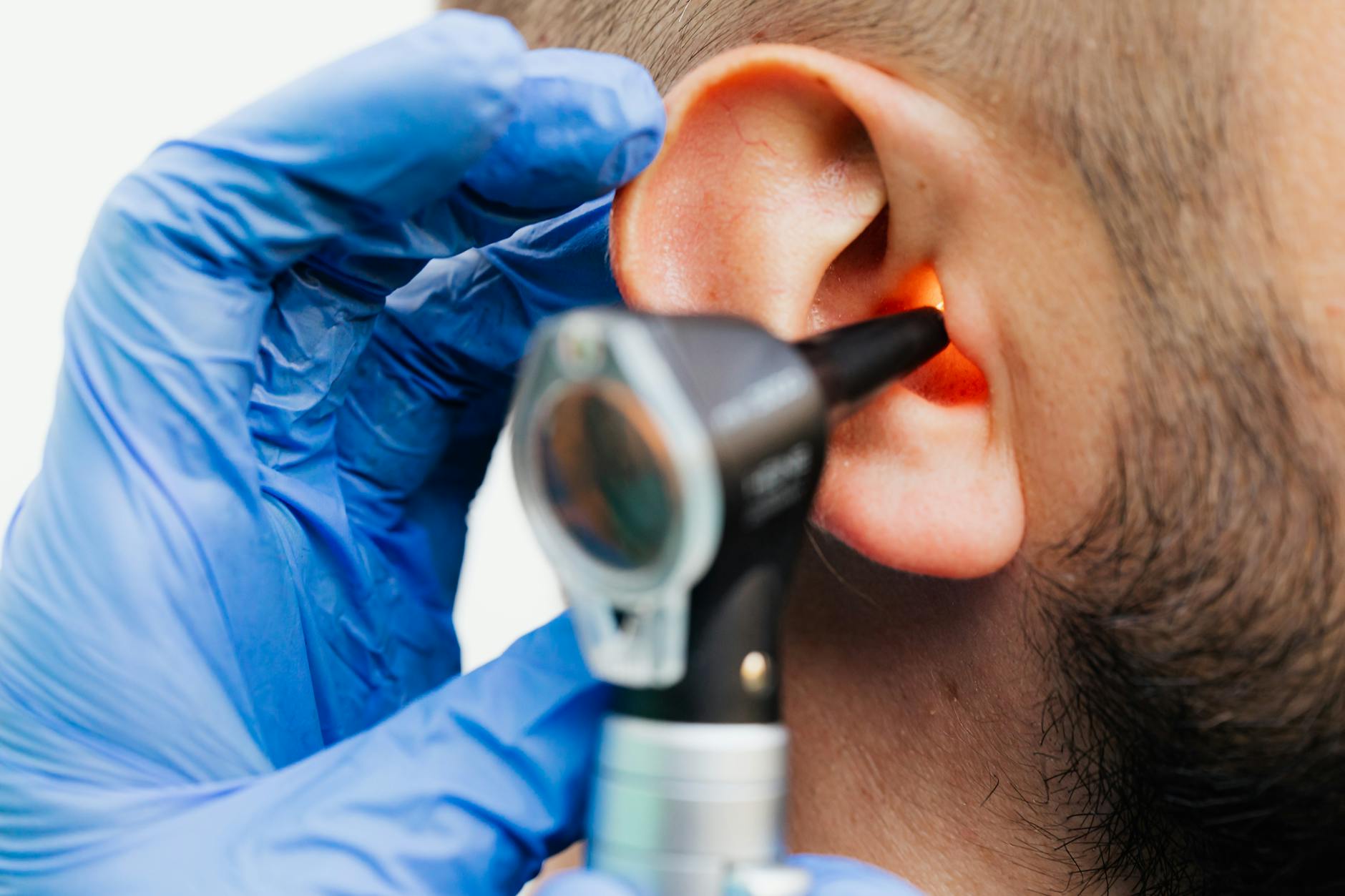
Audiologists express mixed reactions to the development. Some welcome the increased accessibility, noting that many patients who need hearing aids never seek professional help. Others worry about users self-diagnosing hearing loss without understanding underlying medical conditions that might require treatment.
The technology aligns with broader trends in consumer health devices, similar to how smartphone cameras now match professional equipment for content creation. Apple has systematically democratized technologies that were previously expensive and specialized, from photography to now hearing healthcare.
Traditional hearing aid manufacturers are responding with their own consumer-friendly products and smartphone integration. The competition benefits consumers through lower prices and improved features across all hearing aid categories.
Real-World Usage and Limitations
Beta testers report that the AirPods Pro hearing aid feature works best in controlled environments like homes and offices. Challenging acoustic situations, such as crowded restaurants with background music, still present difficulties similar to traditional hearing aids.
The social stigma factor plays a significant role in adoption. Many seniors already wear AirPods for music and calls, making the transition to hearing assistance seamless and discrete. Unlike bulky traditional hearing aids, AirPods Pro don’t immediately signal hearing loss to others.
Wind noise and physical activity can interfere with the hearing aid function, though Apple’s noise cancellation technology mitigates some of these issues. Users need to remember to charge their devices regularly, unlike traditional hearing aids that might last several days on a single battery.
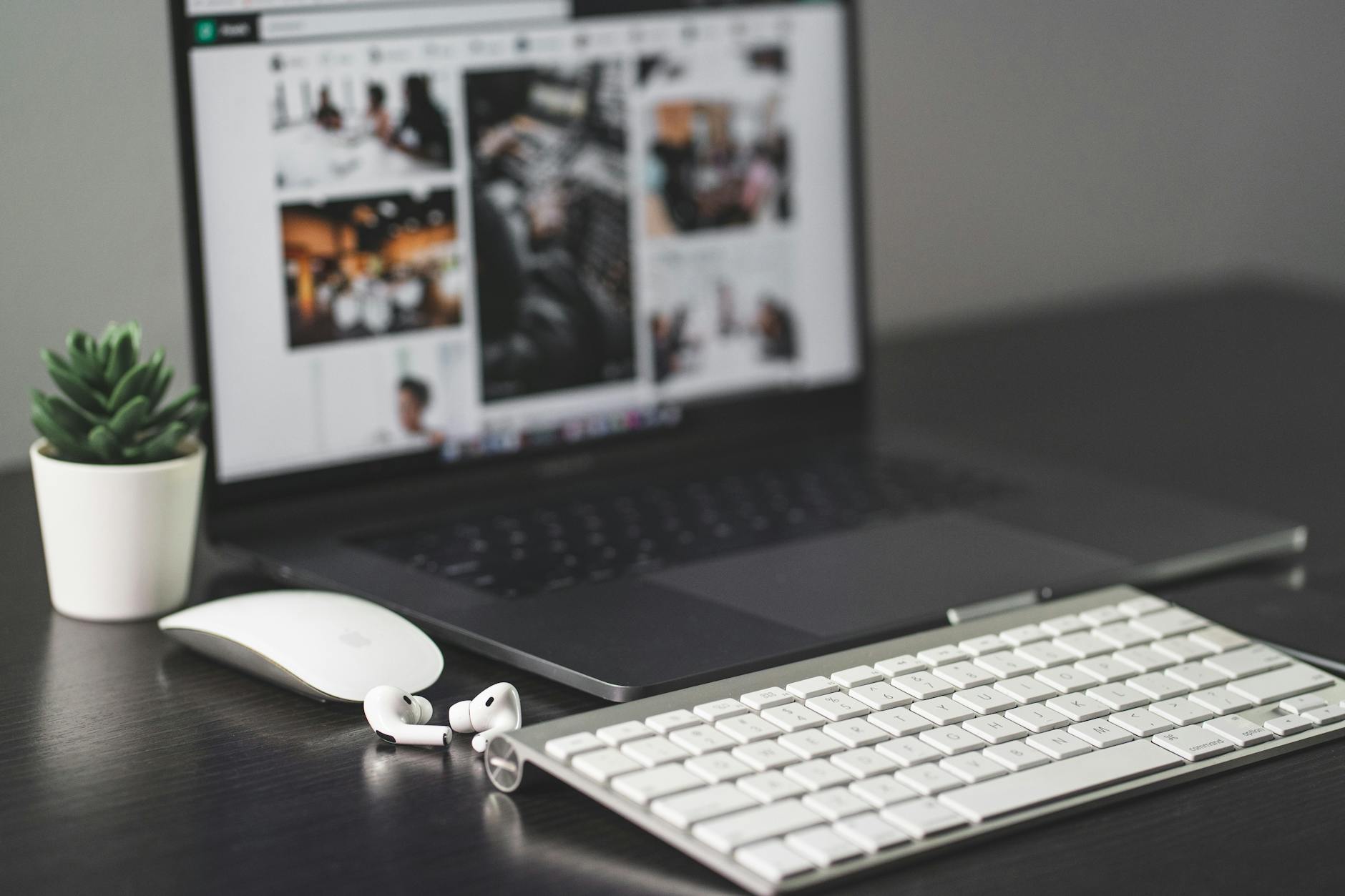
The feature requires an iPhone for initial setup and ongoing adjustments, potentially limiting adoption among seniors who don’t use Apple products. However, once configured, the AirPods Pro work independently for basic hearing amplification.
The Future of Accessible Hearing Care
Apple’s hearing aid feature represents a fundamental shift in how Americans access hearing healthcare. The success of this technology will likely influence other consumer electronics companies to develop similar solutions, creating a competitive marketplace that benefits users through lower costs and improved features.
The integration of hearing assistance into everyday devices suggests a future where hearing loss management becomes as routine as wearing glasses. As the technology improves, we can expect better performance in challenging acoustic environments and expanded compatibility across different devices and platforms.
This democratization of hearing care technology could significantly impact public health outcomes by making treatment accessible to millions who currently avoid traditional hearing aids. Early intervention for hearing loss has proven benefits for cognitive health and social engagement among seniors.
Frequently Asked Questions
Do AirPods Pro really work as hearing aids?
Yes, the FDA approved Apple’s hearing aid feature in October 2024 for mild to moderate hearing loss.
How much do AirPods Pro cost compared to traditional hearing aids?
AirPods Pro cost $249 while traditional hearing aids range from $2,000 to $6,000 per pair.