




A Mayor’s Kit Drop With a Point to Prove
New York City Mayor Zohran Mamdani is releasing a line of World Cup jerseys designed specifically for New Yorkers – handmade in Brooklyn and priced at cost, meaning no markup, no margin, no retail premium. The project is built around a straightforward premise: that following the World Cup shouldn’t require spending the kind of money that official licensed kits now routinely demand.
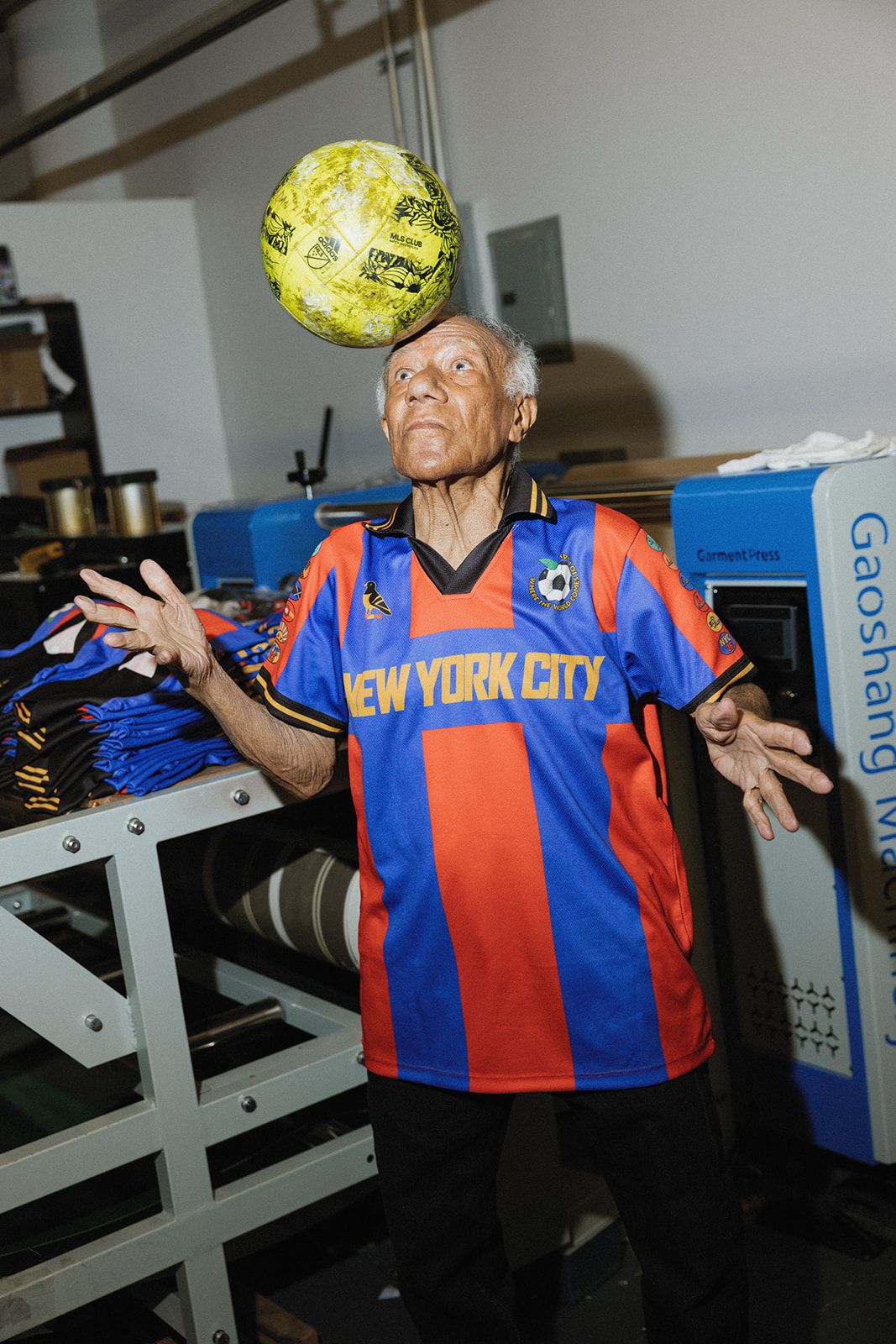
The jerseys draw directly from New York City’s visual identity, functioning less as generic tournament merchandise and more as a localized statement about where the wearer is from. Mamdani announced the collection exclusively through GQ, framing it in terms that go well beyond sportswear. “Jerseys represent more than just the team you support,” he told the magazine. “They are about pride in where you come from and who you are.”
What “Sold at Cost” Actually Means Here
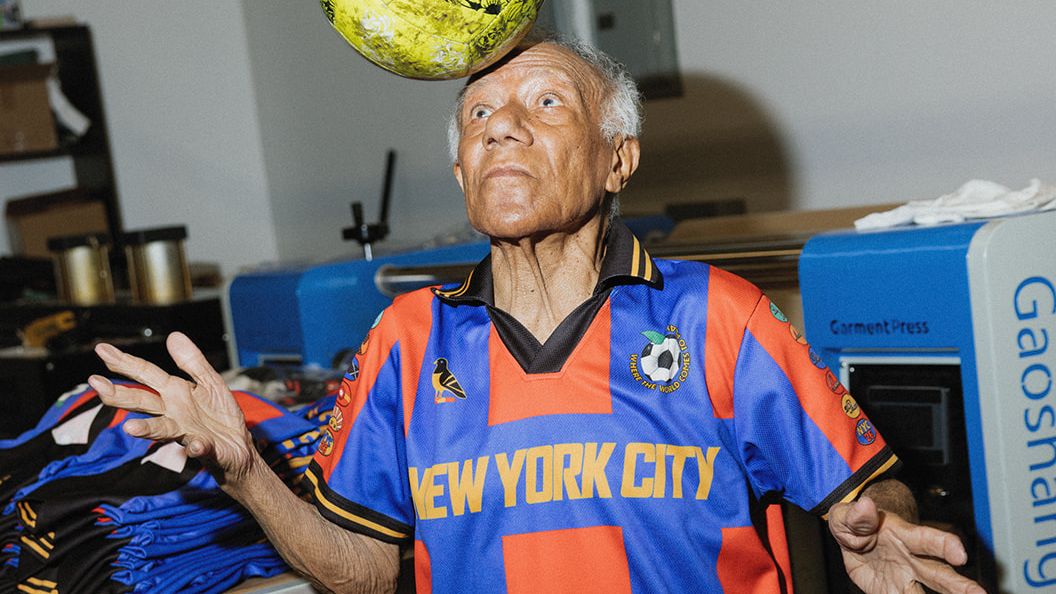
The phrase gets thrown around in fashion and merchandise circles often enough that it has started to lose meaning – but in this case, the structure is specific. The jerseys are produced in Brooklyn, which keeps manufacturing local, and they are sold at whatever the production cost comes out to. There is no licensing body taking a cut, no retailer doubling the price, and no limited-drop scarcity engineering designed to push resale value. This is the opposite of how most World Cup merchandise moves.
Official tournament kits from major sportswear brands have climbed steadily in price over recent cycles. Authentic versions – the ones made with the same materials worn on the pitch – regularly run above $150, sometimes significantly above it. Replica versions are cheaper but still positioned as aspirational objects. The market for World Cup jerseys has, for a long time, operated on the assumption that demand is inelastic enough to hold at those prices. A Brooklyn-produced, at-cost alternative tests that assumption directly.
The fact that they are handmade rather than factory-produced at scale also changes what the object is, slightly. These are not mass-produced replicas of something else. They are their own thing – NYC-inspired kits that exist because a sitting mayor decided to commission them and make them accessible. That origin story is baked into what they are, and it’s part of why the pricing model holds together as a statement rather than just a discount.
Style as Local Politics
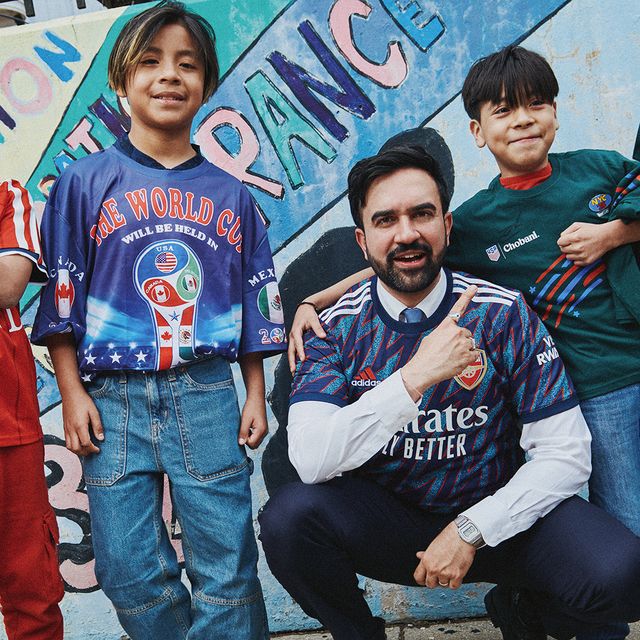
Mamdani’s framing of the jerseys as objects of identity – tied to place and self rather than just to a national team – positions them somewhere between civic merchandise and streetwear. That’s not a new idea. Cities have long produced gear that functions as local allegiance-signaling independent of any official sports franchise. What makes this particular drop unusual is that it’s coming from the mayor’s office, with explicit intent to undercut the premium market.
New York City will be one of the host locations for the 2026 FIFA World Cup, which gives the release a practical context. The tournament is coming to the city, and the question of how regular New Yorkers – not just those who can afford $180 kits from the official FIFA store – participate in that moment is a real one. Style has always been one of the ways people plant a flag about who they are and where they stand, and Mamdani is making an argument that this particular kind of self-expression shouldn’t be gated behind a price point.
Brooklyn Manufacturing and What It Signals
Choosing to make the jerseys in Brooklyn rather than sourcing them from overseas manufacturers is a deliberate signal – one that connects the object to the city it represents in a way that a factory-produced import simply wouldn’t. Brooklyn has a long history as a production site for small-batch goods, from food to furniture to clothing, and locating the manufacturing there rather than just the branding ties the kits to that tradition.
It also raises a question about scale. Handmade production in Brooklyn, sold at cost, is a model that works for a limited run. If demand is significant – and for a World Cup year in a city of eight million people with deep soccer culture, demand could easily outpace supply – there’s an inherent tension between keeping manufacturing local and keeping price low while meeting volume. That tension isn’t resolved by the announcement.
What the jerseys look like in detail – the exact colorways, the typography, the specific design elements drawn from New York City’s visual language – hasn’t been fully laid out beyond the characterization of them as sharp and NYC-inspired. But the design direction clearly leans toward something wearable beyond the stadium, something that functions as city clothing rather than purely as sports merchandise. The distinction matters when you’re trying to reach people who care about what they wear day-to-day, not just on match days.
The World Cup arrives in New York in 2026. The jerseys are available now – made a few miles from where the games will be played, priced so that buying one doesn’t require making a decision about it.