




The End of a Criminal Education
Colson Whitehead has won the Pulitzer Prize twice, which by any measure should make a writer comfortable. It has not made him comfortable. With Cool Machine, the third and final installment of his Harlem crime trilogy, Whitehead returns to the borough that raised him and to the genre scaffolding he has used, repeatedly and deliberately, to ask questions that realist fiction keeps flinching away from.
The New Yorker profile published June 29, 2026 traces the arc of a career defined less by accumulation than by shedding – each book a departure from the last, each departure apparently driven by something more personal than literary strategy. What those private pressures actually are is something Whitehead has spent decades keeping just out of frame.
A Trilogy Built in Harlem’s Shadow
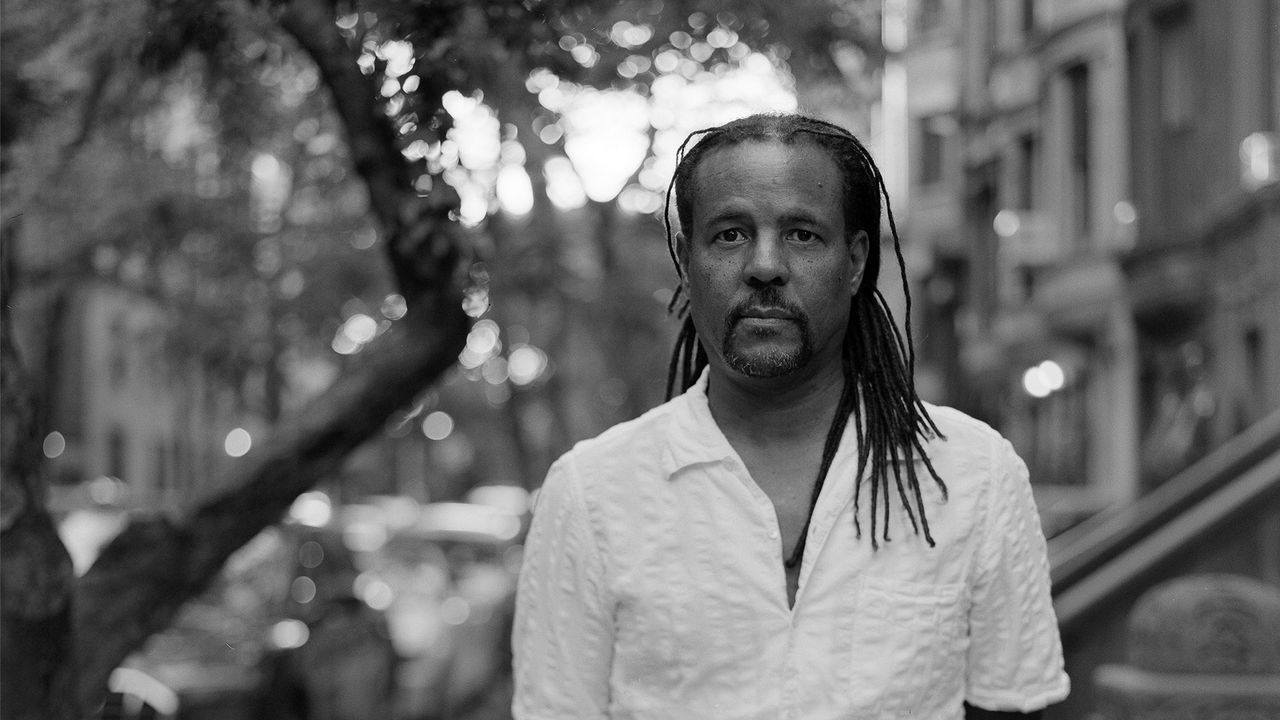
The Harlem crime trilogy was never conceived as a comfortable genre exercise. Whitehead came to crime fiction with the same willingness to dismantle from the inside that he brought to zombie novels, elevator-industry histories, and narratives of American slavery. The setting is not incidental. Harlem is where Whitehead grew up, and the geography of the books – the specific streets, the specific social architecture – carries the weight of autobiography even when the plots do not.
Cool Machine closes that loop. Three books, one city, and a sustained argument about what crime fiction can hold when a writer refuses to let the genre’s conventions do the emotional heavy lifting. The Harlem of these novels is not nostalgic and not condemnatory. It is rendered with the precision of someone who knows exactly which details to trust.
Two Pulitzers and the Problem They Create
Winning the Pulitzer once changes a writer’s relationship to expectation. Winning it twice – Whitehead took the prize for The Underground Railroad in 2017 and for The Nickel Boys in 2020 – creates a different kind of problem. The award becomes a gravitational field. Publishers, readers, and critics begin to mistake the recognition for a blueprint, assuming the next book should confirm what the prizes already certified.
Whitehead has refused that confirmation repeatedly. The move into Harlem crime fiction after The Nickel Boys was not the expected direction, and the profile makes clear that this is, in some sense, the point. The reinventions are not random. They are the output of a writer working through something, even if the something resists easy description.
What the profile surfaces – carefully, given Whitehead’s apparent resistance to direct disclosure – is that the restlessness has private roots. The ghosts the New Yorker piece references are not metaphorical in any clean way. They are the kind of biographical material that shapes a writer’s obsessions without ever fully explaining them, the kind that shows up displaced into fiction rather than announced in interviews.
That displacement is visible across the full body of work. A novel about a fictional history of the elevator. A novel that literalizes the Underground Railroad. A novel set in a reform school in 1960s Florida drawn from documented institutional abuse. And now, three novels set in mid-century Harlem crime. The subject matter shifts. The underlying pressure does not.
What Crime Fiction Gave Him
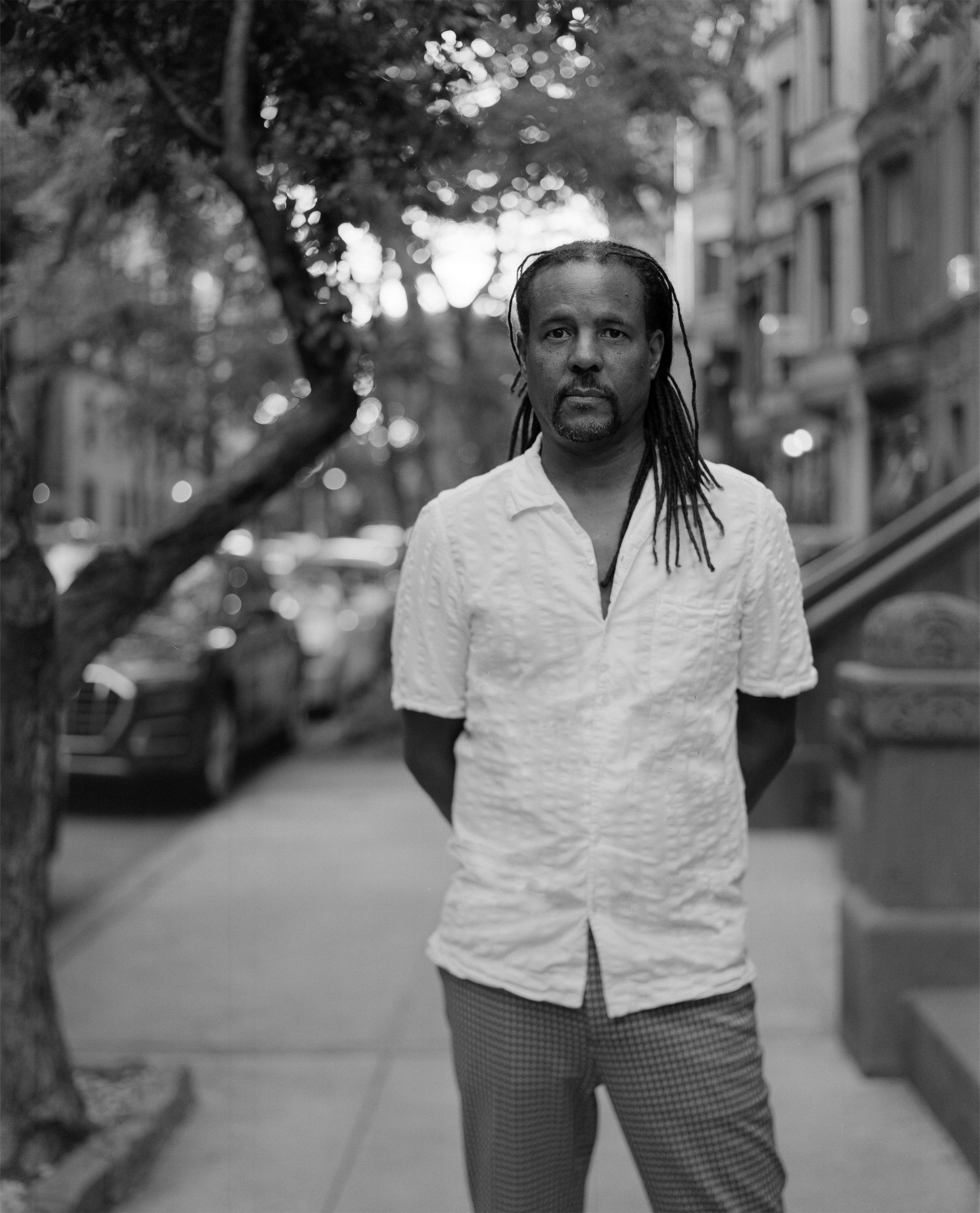
Genre fiction has always offered literary writers a particular bargain: structure in exchange for constraint. Whitehead appears to have taken the structure and renegotiated the constraint. The Harlem trilogy operates within recognizable crime fiction mechanics – investigation, violence, moral compromise – while steadily expanding what those mechanics are made to carry.
This is not a new strategy in American letters, but Whitehead’s application of it is specific to his own biography in ways that become clearer as Cool Machine closes the sequence. A trilogy is a commitment. It demands that the writer return to the same geography, the same period, the same cast of concerns, across what amounts to years of work. That kind of sustained return is usually a sign that the material is not finished with the writer, regardless of how finished the writer believes themselves to be.
The City That Made the Work
New York has been Whitehead’s subject in one form or another since his first novel, The Intuitionist, published in 1999. The city in his early work was abstract, almost allegorical. The Harlem trilogy has moved in the opposite direction – toward the concrete, toward the historically specific, toward a version of the city that existed before Whitehead was born but shaped the neighborhood he inherited.
There is something worth noting in the fact that a two-time Pulitzer winner, operating at the height of his commercial and critical leverage, chose to spend this particular stretch of his career looking backward at Harlem rather than forward into whatever territory the prizes might have opened. The choice is not sentimental. It reads more like an obligation – the kind a writer owes not to readers or critics but to the specific geography that first taught him how to see.
Cool Machine arrives as the conclusion to that obligation. Whether it discharges the debt or simply names it more clearly is the question the book now has to answer.

Whitehead has said enough in the New Yorker profile to confirm that the trilogy’s end does not mean the restlessness ends with it. The private ghosts the piece references have not been resolved – they have been written around, written through, written into three books set in a city that no longer exists exactly as he has rendered it. What he turns to next, and what new genre or structure he reaches for to hold whatever comes after, is the unresolved note the profile leaves hanging.