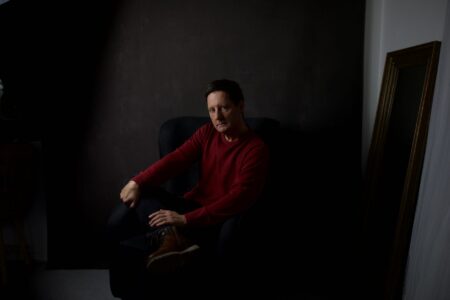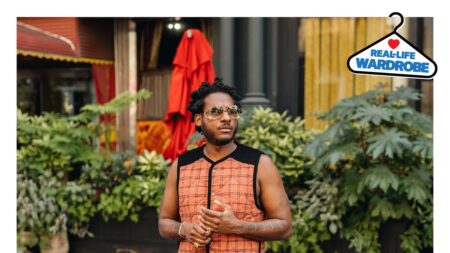





Two decades after Miranda Priestly terrorized fashion assistants, The Devil Wears Prada stands as an accidental time capsule of male style on the verge of transformation. The 2006 film arrived at a moment when men’s fashion operated under entirely different rules than today’s landscape.
While audiences fixated on Meryl Streep’s icy performance and Anne Hathaway’s wardrobe evolution, the movie inadvertently documented the final chapter of an era in menswear. A high-gloss sequel now promises to extend the franchise, but the original captured something irreplaceable about mid-2000s masculine dress codes.
The Uniform Era
In 2006, professional men dressed within narrow parameters. Dark suits dominated office environments with little variation in cut or color. The film’s male characters-from Adrian Grenier’s struggling journalist to Stanley Tucci’s art director-reflected this limited palette. Their wardrobes spoke to an industry where creativity in menswear remained confined to specific roles and contexts.
This constraint extended beyond fictional characters. Real fashion editors and industry professionals operated under similar dress expectations. The movie’s authenticity stemmed partly from its accurate portrayal of these unspoken but rigid style hierarchies that governed professional environments across New York’s creative industries.
Fashion’s Gender Divide
The film’s central premise-a young woman’s education in high fashion-highlighted how dramatically different the rules were for men and women in style consciousness. While Andy Sachs undergoes a complete aesthetic transformation, her boyfriend Nate remains static in his wardrobe choices. This difference wasn’t just character development; it reflected broader cultural attitudes about male engagement with fashion.
Men’s fashion magazines existed but occupied a smaller cultural space than their female counterparts. Social media hadn’t yet democratized style inspiration or created male fashion influencers. The idea of men spending significant time or money on clothing beyond basic necessities was still emerging from niche communities into mainstream acceptance.
Professional menswear operated on principles of conformity rather than expression. The film captured this dynamic through its male characters, who dress appropriately but without the careful consideration given to female appearances. Even Tucci’s character, despite working in fashion, maintains a relatively conservative aesthetic compared to his female colleagues.

Street style photography was nascent, focusing primarily on women outside fashion shows and events. The male fashion blogosphere that would later emerge hadn’t yet formed. Men’s style discussions happened in traditional media or niche forums, not through the visual platforms that would eventually reshape masculine fashion consumption and participation.
The Coming Revolution
Within a few years of the film’s release, menswear would undergo dramatic changes. Social media platforms enabled new forms of style sharing and discovery. Male fashion bloggers gained followings that rivaled traditional publications. The economic recession of 2008 paradoxically led to increased attention to personal presentation as competition for jobs intensified.
Streetwear culture began infiltrating traditional menswear boundaries. Luxury brands started courting younger male consumers with more experimental designs. The rigid separation between casual and formal wear began dissolving, replaced by more flexible dress codes that encouraged individual expression within professional contexts.
A Snapshot in Amber
Today’s male fashion landscape would be unrecognizable to the characters in The Devil Wears Prada. Men’s fashion weeks draw global attention. Male style influencers command massive audiences. Professional dress codes have relaxed considerably, allowing for greater creativity and personal expression in workplace attire.
The film’s enduring popularity stems partly from nostalgia for this simpler era of male style rules. Watching it now reveals how much ground menswear has covered in relatively few years. The movie preserves a moment when masculine fashion operated under clear but limiting guidelines that few questioned.

Yet this evolution raises questions about what was gained and lost in menswear’s expansion. The clarity of the old system, however restrictive, provided a kind of security that today’s endless options sometimes obscure. Whether the film’s sequel will acknowledge this transformation in men’s relationship with fashion-or remain focused on its female characters’ style journeys-could determine how well it captures whatever moment we’re living through now.