





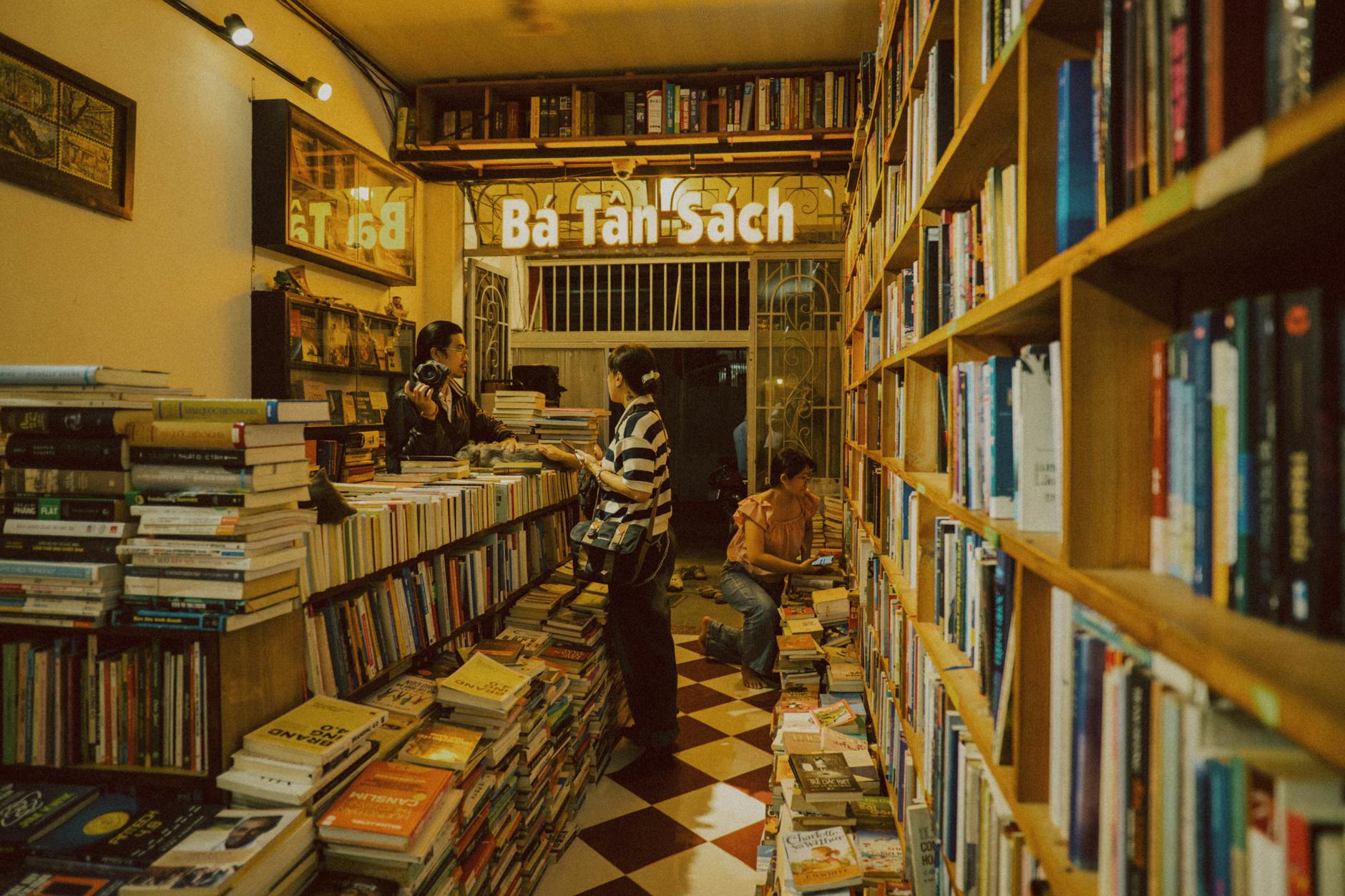
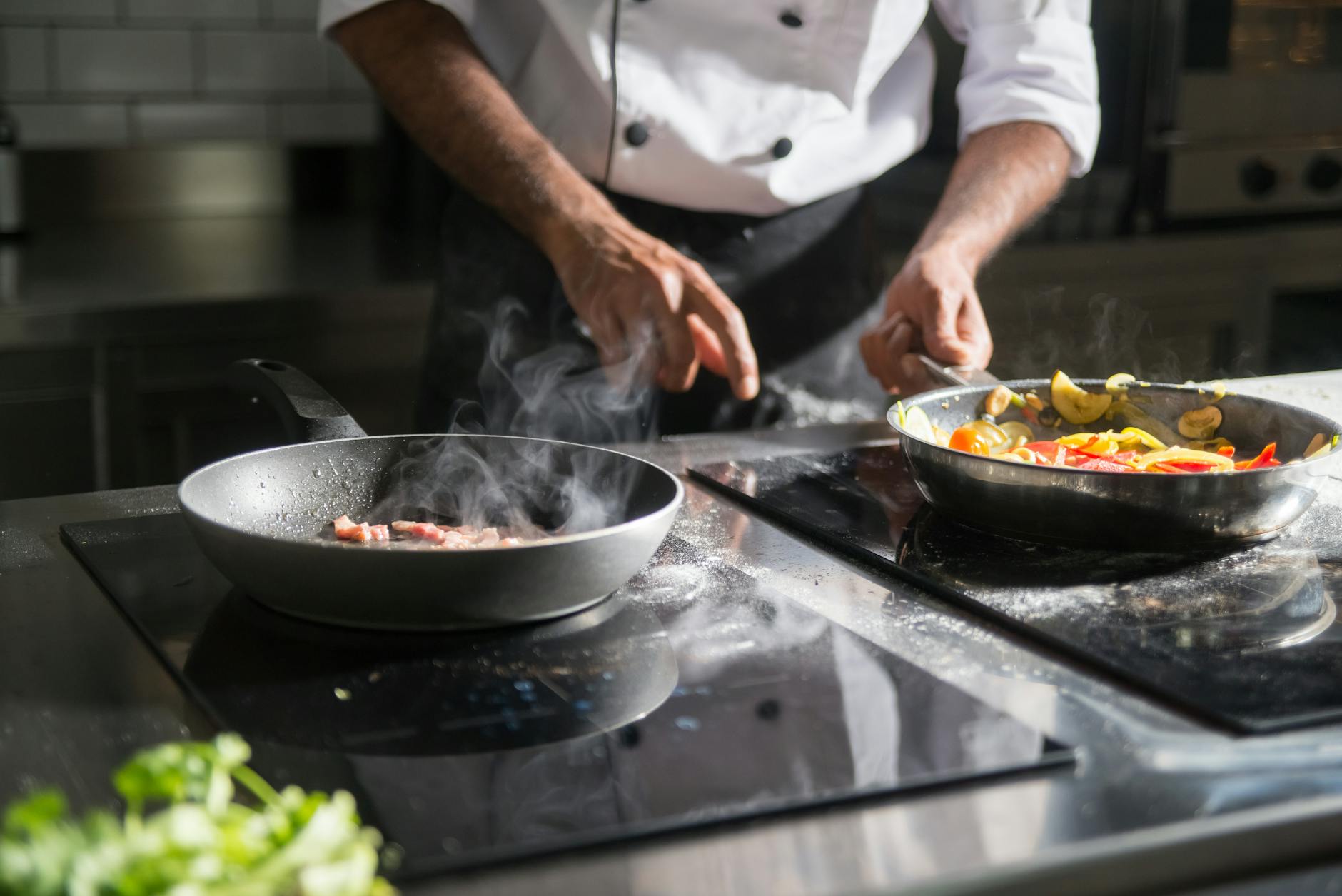
The smell of seared duck breast mingles with aged paper and fresh ink at The Book Table in Oak Park, Illinois, where celebrity chef Rick Bayless recently opened a test kitchen inside the independent bookstore. This unlikely pairing represents a growing trend sweeping through America’s literary landscape: renowned chefs are transforming bookstores into culinary destinations, creating hybrid spaces where food and literature intersect in unprecedented ways.
The phenomenon started quietly in 2023 but has accelerated rapidly, with celebrity chefs recognizing that bookstores offer something traditional restaurant spaces cannot: a built-in community of curious, culturally-engaged customers who linger longer and spend more thoughtfully. Unlike the typical restaurant rush, bookstore diners settle in with their meals, often staying for hours to read, write, or attend author events.
The Literary-Culinary Marriage
José Andrés blazed this trail when he partnered with Politics and Prose in Washington, D.C., installing a Spanish tapas counter between the biography and travel sections. The arrangement benefits both parties: the bookstore gains consistent foot traffic during typically slow afternoon hours, while Andrés reaches readers who appreciate the storytelling aspect of cuisine.
“Books and food are both about sharing stories,” Andrés explained during the space’s opening event. “When someone reads about Hemingway’s Paris, then tastes authentic jamón ibérico, they’re experiencing culture on multiple levels.”
The model has proven financially viable for struggling independent bookstores. Housing costs and online competition have squeezed profit margins for decades, but adding restaurant revenue creates a sustainable income stream. Early adopters report 40-60% increases in daily visitors, with many customers discovering new books while waiting for their orders.
Marcus Samuelsson took a different approach at Greenlight Bookstore in Brooklyn, installing a Nordic-inspired breakfast counter that operates only during morning hours. The limited schedule creates urgency while allowing the bookstore to maintain its primary function during peak reading times. Samuelsson’s menu features dishes inspired by the authors featured in the store’s monthly book clubs, creating direct connections between literature and cuisine.
Beyond the Novelty: Strategic Business Moves
These partnerships represent more than publicity stunts. Celebrity chefs face increasingly saturated restaurant markets, while bookstores need innovative revenue streams to survive. The collaboration addresses both challenges simultaneously.
Tom Colicchio’s partnership with Strand Books in New York exemplifies this strategic thinking. Rather than opening a full restaurant, he operates a weekend-only pop-up featuring dishes inspired by cookbook selections from Strand’s extensive culinary section. This limited-time approach generates excitement while testing concepts for potential permanent locations.
The timing aligns with broader cultural shifts. Post-pandemic consumers seek experiences that combine multiple interests, moving away from single-purpose venues toward spaces that offer community and discovery. Just as escape rooms are adding literary themes to attract book clubs, these chef-bookstore partnerships tap into the desire for meaningful, multifaceted experiences.
Bookstore owners report that food service extends visit duration significantly. Average customer stays have increased from 45 minutes to nearly two hours in stores with celebrity chef partnerships. This extended engagement translates to higher book sales, increased event attendance, and stronger community connections.
The Authors’ Table: Content Meets Cuisine
The most successful partnerships go beyond simple food service to create thematic connections between menus and books. At Chicago’s 57th Street Books, Stephanie Izard designs seasonal menus tied to featured authors’ backgrounds or book settings. When the store hosted a Toni Morrison retrospective, Izard created Southern-inspired dishes that complemented the literary themes.
These content-driven approaches attract food critics and book reviewers alike, generating media coverage that benefits both partners. The crossover appeal reaches audiences who might never visit either a bookstore or a particular chef’s restaurant independently.
Author events have been transformed by these collaborations. Instead of standard wine-and-cheese receptions, book launches now feature custom menus designed by celebrity chefs. Recent events have included Michael Symon creating Cleveland-themed appetizers for a memoir about Great Lakes industrial history, and Carla Hall designing desserts inspired by Southern Gothic fiction.
The educational component appeals to both chefs and authors. Cooking demonstrations become literary events when chefs discuss the cultural history behind dishes while customers browse related cookbooks and travel narratives. This knowledge-sharing approach distinguishes bookstore restaurants from typical celebrity chef ventures.
Operational Challenges and Creative Solutions
Running restaurants inside bookstores requires creative problem-solving. Space constraints, noise management, and health department regulations present ongoing challenges. Most successful partnerships install compact equipment and limit cooking methods to reduce smoke and strong odors that could damage books.
Scheduling coordination proves crucial. Peak meal times must align with bookstore operations without disrupting author readings or book clubs. Many chef partnerships operate during traditionally slow bookstore hours, turning dead time into profitable periods.
Supply chain logistics differ significantly from traditional restaurants. Bookstore kitchens typically lack extensive storage, requiring chefs to adapt their usual procurement methods. Some have embraced this constraint, focusing on ultra-fresh, locally-sourced ingredients that align with independent bookstores’ community-oriented values.
Staff training presents another complexity. Bookstore employees must learn food service basics, while restaurant staff need familiarity with literary events and book recommendations. Cross-training programs have emerged as partnerships mature, creating hybrid staff members who can discuss both menu selections and bestseller lists.
The trend shows no signs of slowing. Industry insiders report conversations between major celebrity chefs and bookstore chains about potential national rollouts. However, the most successful partnerships maintain local character, avoiding the standardization that might diminish their unique appeal.
As independent bookstores continue seeking survival strategies and celebrity chefs explore new venue concepts, these literary-culinary partnerships offer a compelling model for cultural preservation and innovation. The combination preserves neighborhood bookstores while creating entirely new social spaces where conversation flows as freely as the wine, and every meal comes with a side of discovery.
Frequently Asked Questions
Which celebrity chefs have opened restaurants in bookstores?
Rick Bayless, José Andrés, Marcus Samuelsson, Tom Colicchio, and Stephanie Izard have all partnered with independent bookstores.
How do bookstore restaurants handle noise and cooking odors?
They use compact equipment, limit cooking methods, and schedule operations during slower bookstore hours to minimize disruption.