





The morning rush hour tells a new story. Where commuters once clutched dog-eared paperbacks and creased magazines, sleek foldable screens now unfold across subway cars and bus seats. Amazon’s Kindle Scribe and ReMarkable’s latest models are leading a quiet revolution, transforming how millions read during their daily journeys.
Transit authorities report a dramatic shift in commuter behavior. New York’s MTA conductor surveys show traditional book readership on trains dropped 40% since 2022, while e-reader usage climbed steadily. The culprit isn’t smartphones or social media – it’s foldable e-ink devices that solve every problem paperback readers face on crowded public transport.

The Commuter’s Dilemma Finally Solved
Anyone who’s wrestled with a thick novel on a packed train knows the struggle. Paperbacks demand two-handed coordination, elbow space, and the constant risk of dropped pages or damaged covers. Rain soaks through book bags. Coffee spills destroy entire collections.
Foldable e-readers eliminate these pain points with surgical precision. The latest generation devices fold to smartphone size but open to display full pages with crisp, paper-like clarity. No backlighting strain during long commutes. No weight penalties for carrying multiple books. Battery life stretches for weeks, not hours.
“I used to bring three paperbacks for a business trip, weighing down my carry-on,” says Maria Chen, a San Francisco marketing director who commutes daily via BART. “Now I have my entire library in something smaller than a legal pad.”
The ergonomic advantages extend beyond size. Foldable e-readers let users read one-handed while gripping subway poles or bus handrails. Page turns happen with simple taps, not the awkward finger gymnastics required for physical books in tight spaces. Font sizes adjust instantly for different lighting conditions, from dim underground tunnels to bright platform areas.
Technology That Actually Works
Early e-readers promised convenience but delivered compromises. Small screens, poor battery life, and fragile construction made them poor substitutes for books. Foldable technology changes everything.
Current models use flexible E Ink displays that bend without breaking. The folding mechanism itself protects the screen during transport while creating a larger reading surface when opened. Unlike tablets or phones, these devices produce no eye strain during extended reading sessions.
The reading experience now rivals or exceeds paper books. Page-turn speeds match human reading patterns. Text remains sharp at any size. Note-taking capabilities surpass what’s possible with physical margins. Some models even let users sketch directly on virtual pages, appealing to students and professionals who annotate heavily.
Storage capacity makes the value proposition undeniable. Where a paperback offers one story, these devices hold thousands of books, magazines, and documents. Commuters download entire series for long trips or sample new authors without commitment. Library integration means free access to bestsellers without the wait times that plague physical book borrowing.
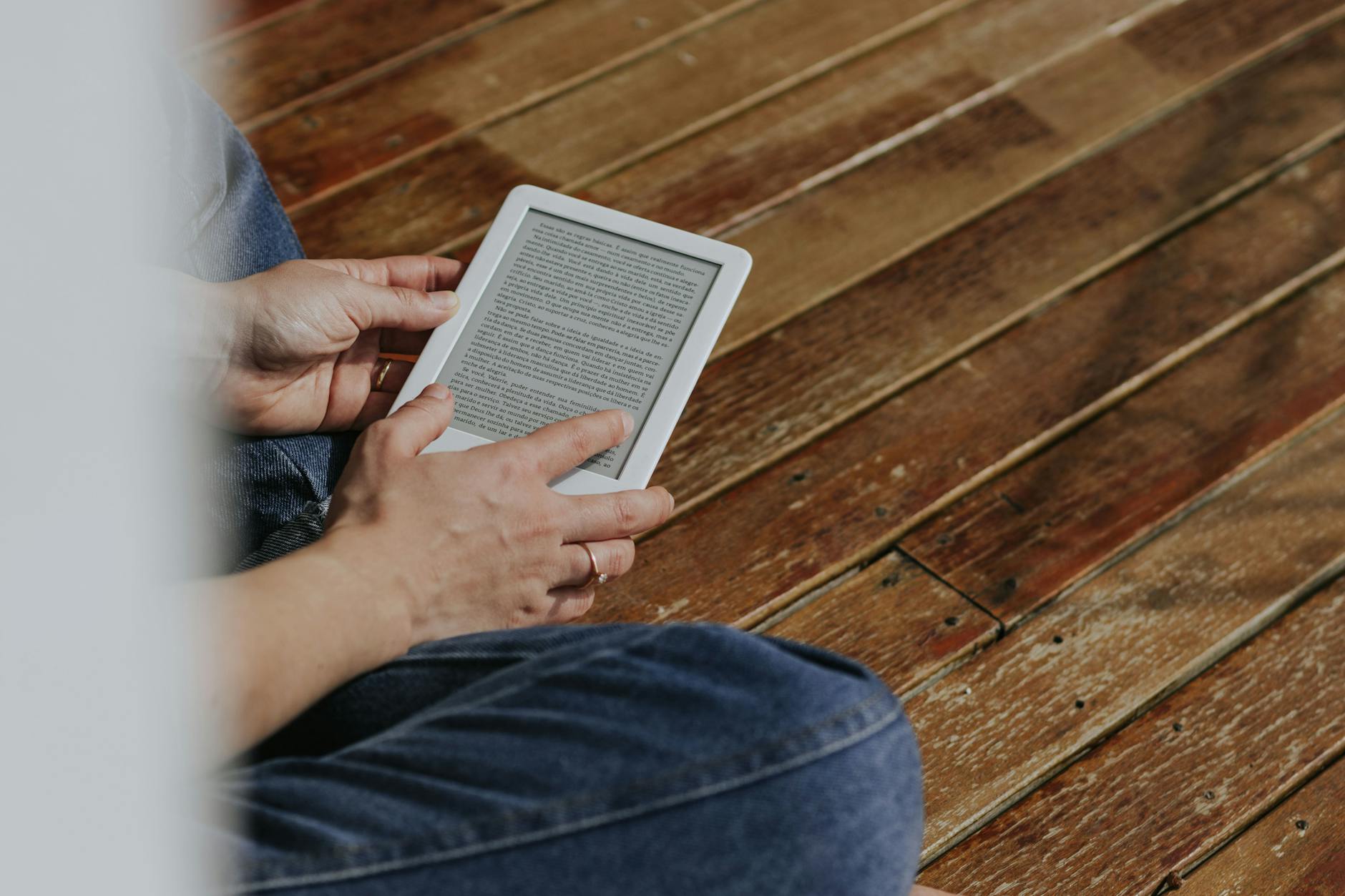
The Social Shift Nobody Saw Coming
Book lovers initially resisted digital reading, viewing it as somehow inferior to physical books. That resistance crumbles when faced with practical daily use. The same readers who insisted nothing could replace paper now praise the convenience of their foldable devices.
Reading behavior itself is evolving. Commuters report finishing more books since switching to e-readers. The ability to carry multiple titles encourages exploration of new genres and authors. If a book doesn’t grab interest within the first chapter, readers simply switch to another option rather than struggling through out of obligation.
Social reading features add unexpected dimensions. Some devices allow highlighting and sharing favorite passages instantly. Book clubs form around digital annotations. Reading progress syncs across devices, letting commuters seamlessly continue stories from train to office to home.
The environmental impact resonates with climate-conscious consumers. A single e-reader replaces hundreds of physical books over its lifetime. No paper production, no shipping emissions, no disposal waste. Publishers can distribute new releases instantly without printing costs or inventory risks.
Similar to how physical keyboards are making a comeback for serious tablet users, foldable e-readers represent technology finally matching user needs rather than forcing adaptation to technical limitations.
What’s Driving the Rapid Adoption
Price points reached mainstream accessibility. Where early foldable devices cost over a thousand dollars, current models start around three hundred. The math works for regular readers who previously spent similar amounts annually on paperbacks and hardcovers.
Corporate adoption accelerates the trend. Companies provide e-readers loaded with training materials, technical manuals, and industry publications. Employees grow accustomed to digital reading at work, then purchase personal devices for leisure reading.
Publishing industry partnerships make content more accessible. Major publishers now release digital editions simultaneously with physical books, often at lower prices. Subscription services offer unlimited reading for monthly fees less than the cost of two hardcover books.
The durability factor surprises skeptics. Modern foldable e-readers withstand drops, spills, and daily abuse better than paperbacks. Screens resist scratches and maintain clarity for years. Software updates add new features without requiring hardware replacement.
Infrastructure improvements support the shift. Subway systems and airports now provide charging stations optimized for e-readers. Libraries offer digital lending programs with massive catalogs. Bookstores dedicate sections to e-reader accessories and setup services.
The commuter reading revolution reflects broader technology trends where folding displays enable new use cases. Just as AI-powered sleep trackers are transforming personal health monitoring, foldable e-readers are reshaping how people consume literature during transit time.
Traditional publishers are adapting rapidly, recognizing that digital-first readers often become their most valuable customers, purchasing more titles annually than physical book buyers. Independent authors find new audiences through e-reader platforms, bypassing traditional gatekeepers.
The tipping point has arrived. Commuter culture is shifting from physical to digital reading not through force, but through genuine improvement in daily experience. As foldable technology continues improving while costs decrease, the transformation appears irreversible. The age of juggling paperbacks on crowded trains is ending, replaced by sleek devices that unfold into unlimited literary worlds.
Frequently Asked Questions
How long does the battery last on foldable e-readers?
Most current models provide 2-4 weeks of reading time on a single charge with typical daily use.
Are foldable e-readers more expensive than regular tablets?
Entry-level foldable e-readers start around $300, comparable to mid-range tablets but designed specifically for reading.