




Netflix executives reportedly spend more time in comic book shops than network television boardrooms these days. The streaming giant’s latest quarterly earnings revealed that graphic novel adaptations now represent their fastest-growing content category, with shows like “The Umbrella Academy” and “Sweet Magnolias” driving subscriber engagement rates higher than traditional scripted dramas.
The shift represents a fundamental change in how streaming platforms approach original content development. Where studios once prioritized celebrity-driven projects or established franchises, they’re increasingly mining independent comic publishers and webcomic creators for source material that comes pre-tested with dedicated fan bases.
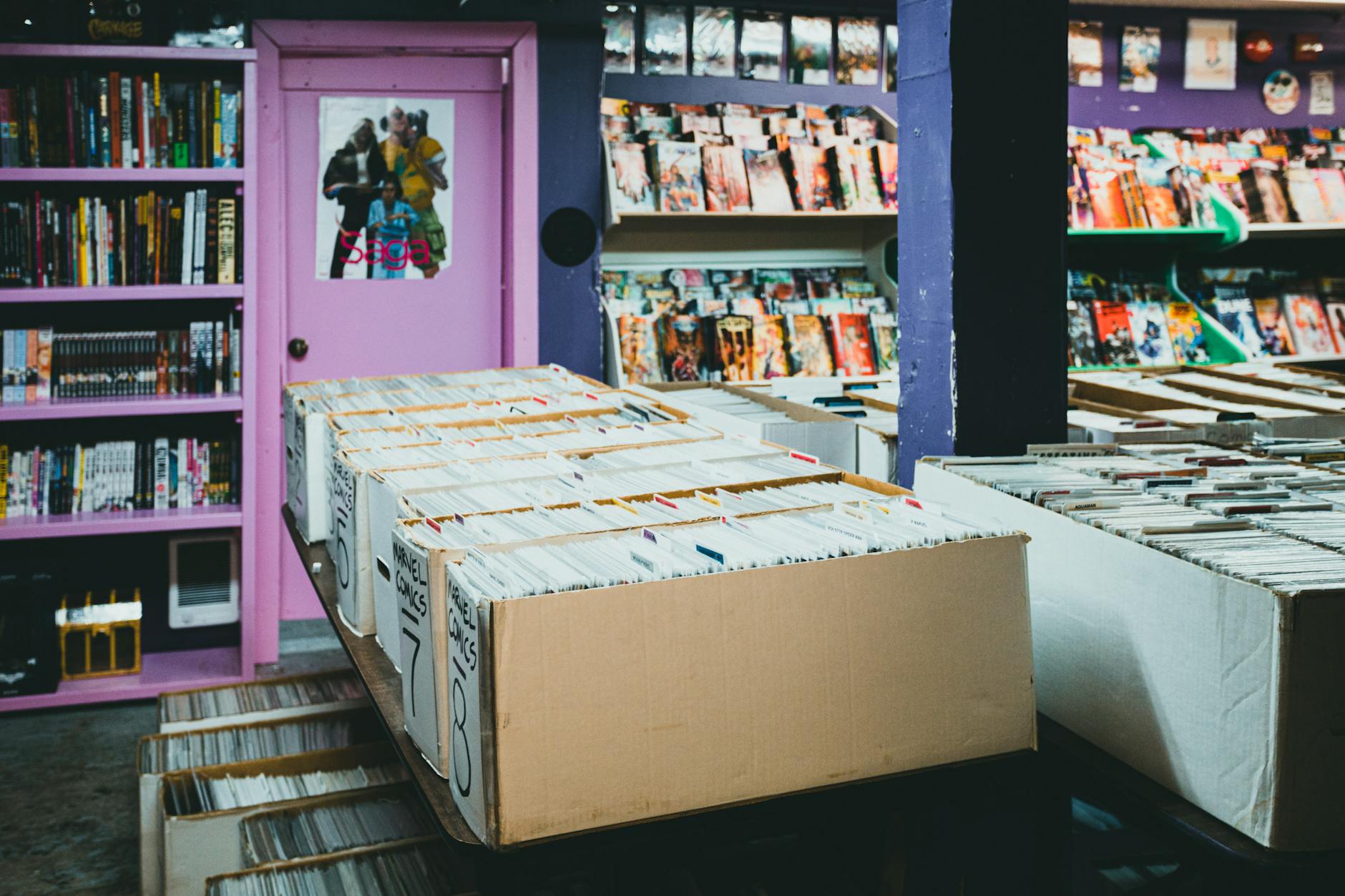
The Economics Behind the Comic Book Rush
Streaming platforms discovered that graphic novel adaptations offer several advantages over traditional development. The visual storytelling format provides built-in storyboards, reducing pre-production costs. More importantly, successful comics arrive with established audiences who actively engage on social media, creating organic marketing campaigns that traditional shows struggle to match.
Amazon Prime Video’s “The Boys” exemplifies this strategy perfectly. Based on Garth Ennis and Darick Robertson’s comic series, the show leveraged existing fan enthusiasm while attracting new viewers through controversy and word-of-mouth marketing. The series consistently ranks among Prime Video’s most-watched originals, spawning multiple spin-offs including “Gen V” and the upcoming “The Boys: Mexico.”
Apple TV+ took a different approach with “Severance,” though not based on comics, it employed visual storytelling techniques borrowed from graphic novels. The platform has since greenlit several direct comic adaptations, including projects from Image Comics and Dark Horse Entertainment.
The trend extends beyond superhero content. Netflix’s “Heartstopper,” adapted from Alice Oseman’s webcomic, became a global phenomenon by faithfully translating the source material’s intimate visual style. The show’s success prompted Netflix to fast-track development on several other LGBTQ+ graphic novels, recognizing an underserved audience hungry for authentic representation.
How Streaming Services Are Changing Comic Publishing
The streaming gold rush has created a feedback loop affecting comic book creation itself. Publishers now develop properties with television adaptation in mind, leading to what industry insiders call “Hollywood-ready” comics – stories structured with streaming formats and budget constraints already considered.
Image Comics, traditionally focused on creator-owned properties, has established a dedicated television development division. Their partnership with Amazon Studios has resulted in multiple series in development, though specific titles remain under wraps due to non-disclosure agreements.
This relationship benefits both industries. Comic creators gain access to larger audiences and significant financial returns when their properties get adapted. [How Kindle Unlimited Is Changing What Authors Actually Write](https://culturentech.com/how-kindle-unlimited-is-changing-what-authors-actually-write/) explores similar dynamics in digital publishing, where platform algorithms influence creative decisions.
Webcomic platforms like Webtoon have become hunting grounds for streaming executives. The platform’s vertical scrolling format naturally translates to mobile viewing, making these comics particularly attractive to services targeting younger demographics. Several Webtoon properties are currently in development at major streaming platforms, though production timelines remain confidential.
Production Challenges and Creative Adaptation
Translating static images into moving pictures presents unique challenges that traditional literary adaptations don’t face. Successful graphic novel adaptations must balance visual fidelity with the demands of live-action production.
“The Walking Dead” franchise demonstrates both the potential and pitfalls of this process. While the original AMC series achieved massive success, subsequent spin-offs struggled when they deviated too far from the source material’s visual and tonal elements. The lesson wasn’t lost on streaming platforms, which now involve original creators more heavily in adaptation processes.
Budget considerations often determine how faithfully adaptations can follow their source material. High-concept sci-fi comics require significant visual effects budgets that streaming platforms must weigh against potential audience reach. Some platforms have found creative solutions, like Netflix’s approach with “The Umbrella Academy,” which uses practical effects and creative cinematography to achieve comic book visuals without blockbuster movie budgets.
International co-productions have emerged as another solution. European streaming services often partner with American platforms to adapt European comics, sharing costs while accessing different audience markets. This trend has introduced American viewers to graphic novels they might never have encountered otherwise.
The Global Expansion of Comic Adaptations
Streaming platforms are increasingly looking beyond American and European comics for source material. Korean webtoons have gained particular attention following the success of “Squid Game” and other Korean content on global platforms.
Netflix’s investment in Asian comic properties reflects this shift. The platform has acquired adaptation rights to several popular manhwa (Korean comics) and manga series, though specific announcements remain limited by international licensing complexities.
The trend extends to other regions as well. African comic publishers report increased interest from streaming platforms, particularly for properties that offer fresh perspectives on universal themes. While few concrete deals have been announced, industry sources suggest several projects are in early development stages.
This global expansion connects to broader trends in content localization. Streaming platforms recognize that diverse source material can attract underserved audiences while providing fresh storytelling perspectives for mainstream viewers.
The relationship between graphic novels and streaming platforms shows no signs of slowing. Industry analysts predict that comic book shops, much like [independent bookstores using AI to compete with Amazon](https://culturentech.com/how-independent-bookstores-are-using-ai-to-compete-with-amazon-recommendations/), will adapt their business models to capitalize on increased interest in source material from hit adaptations.
Major streaming platforms are reportedly developing internal comic book divisions, potentially creating original graphic novels specifically designed for future adaptation. This vertical integration could reshape both industries, creating new revenue streams for platforms while providing comic creators with unprecedented opportunities for cross-media storytelling.
The next phase will likely involve more sophisticated data analysis, with platforms using viewing patterns and audience engagement metrics to identify promising comic properties before they achieve mainstream success. This predictive approach could democratize the adaptation process, giving lesser-known creators access to television development opportunities traditionally reserved for established properties.
Frequently Asked Questions
Why are streaming platforms focusing on graphic novel adaptations?
Comics provide built-in audiences, visual storyboards, and lower development costs compared to original scripted content.
Which streaming services are investing most in comic adaptations?
Netflix, Amazon Prime Video, and Apple TV+ are leading the trend with major investments in comic-based original series.