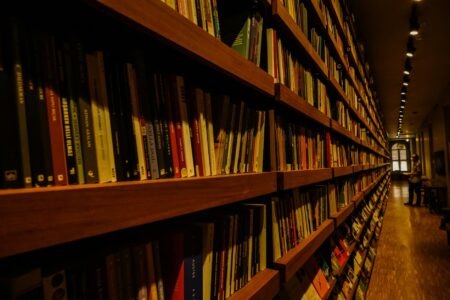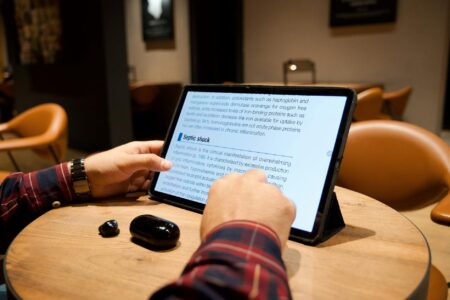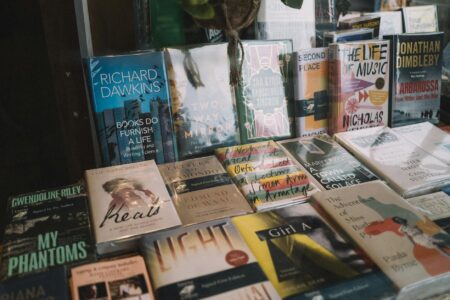





BookTok has transformed from a niche corner of TikTok into a publishing powerhouse, with Instagram book influencers now wielding more influence over reading habits than traditional literary critics. These digital tastemakers, armed with aesthetically pleasing flat lays and passionate video reviews, are fundamentally reshaping how books find their audiences.
The shift represents more than just changing platforms. Where newspaper book sections once determined literary success, Instagram accounts with hundreds of thousands of followers now drive bestseller lists through carefully curated content that blends literary criticism with lifestyle branding.

Overview: The New Literary Gatekeepers
Instagram book influencers operate in a vastly different ecosystem than traditional reviewers. Rather than the measured, analytical approach of newspaper critics, these creators focus on emotional connection and visual storytelling. Their reviews often emphasize how books made them feel, which characters they loved or hated, and how stories relate to their personal experiences.
The most successful accounts combine multiple content formats: carousel posts featuring book covers arranged with coffee cups and plants, Reels showing rapid-fire recommendations, and Stories documenting real-time reading experiences. Influencers like Reese Witherspoon’s book club account and independent creators with names like @bookstagram have built communities that publishers now actively court.
This influence extends beyond simple recommendations. When major accounts feature a book, sales can spike within hours. Publishers report that a single post from a top-tier book influencer can generate more immediate sales than a traditional newspaper review, particularly for fiction targeting younger demographics.
Pros: Accessibility and Authentic Connection
Democratic Discovery Process
Instagram book influencers have democratized literary discovery in ways traditional media never could. Readers can find reviewers whose tastes align with their preferences, whether they love fantasy romance, literary fiction, or mystery thrillers. This targeted approach means recommendations feel more personal and relevant than broad newspaper reviews aimed at general audiences.
The visual nature of Instagram also makes book discovery more appealing. Beautifully styled photos make books look desirable, turning reading into an aspirational lifestyle choice rather than an academic obligation.
Diverse Voices and Perspectives
These platforms have amplified voices traditionally underrepresented in literary criticism. Book influencers from various backgrounds spotlight authors and stories that mainstream review outlets might overlook. This includes increased visibility for romance novels, young adult fiction, and books by authors from marginalized communities.
The success of authors like Colleen Hoover demonstrates this shift, as her popularity grew primarily through social media rather than traditional literary channels.
Community Building
Instagram book accounts create genuine communities around reading. Comment sections buzz with discussions, readers share their own experiences with featured books, and book clubs form organically. This social aspect transforms reading from a solitary activity into a shared cultural experience.

Cons: The Influence Economy’s Limitations
Aesthetic Over Analysis
The visual requirements of Instagram can prioritize appearance over substance. Books with photogenic covers receive more attention regardless of content quality. The pressure to create visually appealing posts sometimes leads to superficial engagement with texts.
Many influencer reviews focus on emotional reactions rather than literary analysis. While relatability matters, this approach can miss important discussions about writing craft, thematic depth, or cultural significance that traditional criticism provides.
Commercial Pressures
The influencer economy creates inherent conflicts of interest. Many book accounts receive free advance copies from publishers, affiliate marketing income from sales, and direct sponsorship deals. This financial relationship can compromise objectivity, even when influencers attempt transparency through disclosure statements.
The pressure to maintain engagement also favors positive reviews. Consistently critical content receives fewer likes and shares, creating economic incentives to avoid negative reviews that might alienate followers or publisher relationships.
Algorithm Dependency
Instagram’s algorithm determines which content reaches audiences, meaning even well-crafted reviews might never find their intended readers. This creates unpredictability that traditional media outlets don’t face. Changes to platform algorithms can devastate carefully built audiences overnight.
Limited Scope and Depth
Instagram’s format constraints limit discussion depth. Complex literary works that require nuanced analysis struggle in environments optimized for quick consumption. Important but challenging books might get overlooked in favor of more immediately engaging content.
The platform also tends to favor certain genres. Romance, fantasy, and young adult fiction dominate book Instagram, while literary fiction, poetry, and non-fiction receive proportionally less attention.
The Hybrid Future of Book Discovery
Traditional book review outlets aren’t disappearing entirely. Publications like The New York Times Book Review and literary magazines maintain importance for serious literary discourse. However, they’re increasingly collaborating with digital influencers and adapting their own social media strategies.
Publishers now employ hybrid marketing approaches, seeking both traditional review coverage and influencer partnerships. Celebrity-curated book boxes represent one evolution of this trend, combining star power with curated discovery.
The most effective book promotion campaigns now integrate multiple approaches: traditional reviews for credibility, influencer content for reach, and social media engagement for community building.
Verdict: A Necessary Evolution
Instagram book influencers represent a fundamental shift in how literary culture operates, and this change is largely positive. While they lack the analytical depth of traditional criticism, they’ve successfully introduced reading to audiences who felt excluded from traditional literary spaces.
The democratization of book discovery has created more pathways for authors to find readers and readers to find books they’ll love. This expansion of literary conversation, despite its limitations, serves the broader goal of promoting reading culture.
However, the ideal future maintains both approaches. Traditional criticism provides important analytical frameworks and historical context that Instagram reviews often miss. The most sophisticated readers benefit from both emotional recommendations from trusted influencers and thoughtful analysis from experienced critics.
For publishers, ignoring Instagram book influencers is no longer viable. For readers, these accounts offer valuable discovery tools, provided they’re consumed alongside more traditional critical sources.
The transformation is irreversible. Instagram book influencers haven’t just supplemented traditional book reviews – they’ve created an entirely new form of literary engagement that’s more accessible, visual, and community-oriented. While imperfect, this evolution has ultimately expanded who gets to participate in literary conversation, and that expansion benefits everyone who loves books.
Frequently Asked Questions
How do Instagram book influencers make money?
Through affiliate marketing, sponsored posts, free book partnerships with publishers, and direct brand collaborations.
Are Instagram book reviews as reliable as traditional critics?
They offer different value – more personal relatability but often less analytical depth than professional literary criticism.