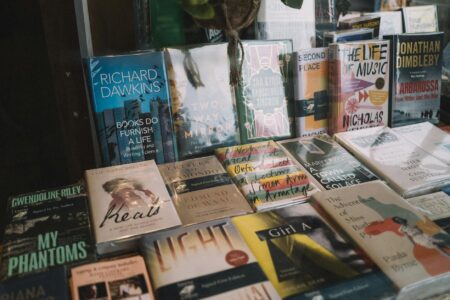





Romance authors are writing 80,000-word novels in six weeks. Fantasy writers are abandoning complex world-building for rapid-fire series. Thriller authors are crafting cliffhangers designed specifically for algorithm favor. Welcome to the Kindle Unlimited economy, where Amazon’s subscription service has fundamentally altered not just how readers consume books, but what authors choose to write.
Since launching in 2014, Kindle Unlimited has grown to millions of subscribers paying $11.99 monthly for access to over four million titles. But the real story isn’t in the numbers-it’s in how the service’s payment structure is reshaping the DNA of contemporary fiction. Authors earn roughly half a cent per page read, creating an entirely new set of creative incentives that prioritize reader retention over traditional storytelling craft.

The Page-Read Economy Transforms Story Structure
Traditional publishing rewards authors when readers buy their books. Kindle Unlimited rewards authors when readers actually finish them. This fundamental shift has created what publishing insiders call “sticky writing”-prose designed to keep readers scrolling rather than savoring.
“I used to write literary fiction with complex themes and introspective passages,” says romance author Sarah Mitchell, whose pen name tops KU charts. “Now I write dialogue-heavy scenes with constant conflict. Every chapter ends on a hook because if readers stop, I don’t get paid.”
The most successful KU authors have mastered the art of the “page turner”-literally. They study reader drop-off points through Amazon’s analytics, identifying exactly where audiences abandon books. Common casualties include lengthy descriptions, slow character development, and experimental narrative structures. Instead, authors front-load action, accelerate pacing, and employ techniques borrowed from television writing.
This shift is particularly pronounced in romance, the platform’s dominant genre. Authors have developed formulas for maximizing page reads: multiple point-of-view characters, frequent scene breaks, and emotional cliffhangers every few thousand words. Some successful KU romance series stretch single story arcs across five or six novels, ensuring dedicated readers consume hundreds of pages per storyline.
Genre Fiction Adapts to Algorithm Demands
Kindle Unlimited’s algorithm favors books that generate immediate engagement and sustained reading sessions. This has led to the rise of “binge-worthy” fiction designed for marathon reading sessions rather than contemplative consumption.
Fantasy authors, traditionally known for sprawling epics, now write shorter, faster-paced novels released monthly rather than annually. Urban fantasy has particularly thrived, with authors like Patricia Briggs and Ilona Andrews building loyal followings through rapid-release schedules and interconnected series that reward continuous reading.
The platform has also birthed entirely new subgenres optimized for its ecosystem. “Shifter romance,” “reverse harem,” and “why choose” narratives have exploded on KU, genres that barely existed in traditional publishing but thrive in the subscription model. These stories often feature repetitive elements-similar character archetypes, familiar plot beats, comfort-food narratives-that readers consume voraciously.

Mystery and thriller writers have adapted by embracing serialization. Instead of standalone novels, successful KU authors write ongoing series with recurring protagonists, familiar settings, and formulaic structures. Each book delivers immediate satisfaction while building toward larger narrative arcs that keep readers subscribed and reading.
The Rise of Rapid-Release Publishing
Perhaps the most dramatic change in author behavior is the shift toward rapid-release publishing. While traditional authors might publish one book yearly, successful KU authors often release monthly or even weekly. This publishing pace has fundamentally altered how stories are conceived and written.
Authors like Michael Anderle have pioneered “pulp fiction” approaches, dictating novels in days rather than months and employing teams of editors to maintain breakneck release schedules. Anderle’s Kurtherian Gambit series spans dozens of books, all available through KU, creating an empire built on volume rather than individual book sales.
This model has created a new class of full-time independent authors who treat writing like content creation rather than literary craft. They study trending keywords, analyze competitor release schedules, and optimize book covers and descriptions for Amazon’s search algorithm. Success is measured in pages read per month rather than critical acclaim or literary awards.
The rapid-release model has also influenced story planning. Authors increasingly write in series “seasons” like television shows, plotting multiple books simultaneously to ensure consistent pacing and reader retention across extended narratives. This approach prioritizes series completion rates-the percentage of readers who finish entire series-over individual book quality.
Traditional Publishing Feels the Pressure
The KU effect extends beyond independent authors. Traditional publishers are increasingly adopting subscription-friendly elements in their own releases. Publishers like Entangled have launched imprints specifically designed for rapid-release romance series. Even established authors are experimenting with faster publication schedules and series-driven narratives.
The success of subscription reading has also influenced how publishers market books. Series branding has become crucial, with publishers investing heavily in consistent cover designs, interconnected storylines, and fan community building. The goal is creating “binge-worthy” reading experiences that mirror the successful patterns established on Kindle Unlimited.
However, this trend concerns some literary advocates who worry about the homogenization of fiction. While memoir sales continue to surge in traditional publishing, genre fiction increasingly follows KU-optimized formulas even outside the subscription ecosystem.

Looking Forward: The Subscription Future of Fiction
As Kindle Unlimited approaches its tenth anniversary, its influence on contemporary fiction appears permanent. Emerging authors increasingly design their careers around subscription models, viewing traditional publishing as a secondary revenue stream rather than the primary goal.
New subscription services from competing platforms suggest this model will expand rather than contract. Apple, Google, and smaller services are launching their own subscription reading programs, each with slightly different payment structures that will likely create new writing incentives and genre innovations.
The long-term implications for literature remain hotly debated. Critics argue that KU has created a race to the bottom, prioritizing addictive consumption over artistic merit. Supporters counter that it has democratized publishing, allowing diverse voices to reach readers without traditional gatekeepers while providing sustainable income for working writers.
What’s certain is that Kindle Unlimited has created a new ecosystem where reader engagement metrics directly influence creative decisions. Whether this represents the future of fiction or a specialized niche alongside traditional publishing, the subscription model has already fundamentally altered what stories get told and how they’re crafted. For millions of readers and thousands of authors, the age of algorithm-optimized storytelling has already arrived.
Frequently Asked Questions
How does Kindle Unlimited pay authors?
Authors earn approximately half a cent per page read by subscribers, rather than per book sold.
What genres perform best on Kindle Unlimited?
Romance, fantasy, and mystery series dominate, especially rapid-release series with cliffhanger endings.