
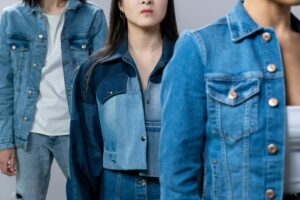




Glass skin, gradient lips, and straight brows dominate beauty counters from Seoul to New York. What started as distinctly Korean beauty ideals now drives billion-dollar makeup sales across Western markets, fundamentally changing how Americans and Europeans approach their daily beauty routines.
Korean beauty standards emphasize natural radiance, subtle enhancement, and youthful innocence – a stark contrast to the bold contouring and dramatic looks that defined Western makeup for decades. This shift represents more than cosmetic preference; it reflects changing cultural values around femininity, authenticity, and self-expression.
The transformation accelerated through K-pop’s global dominance and Korean drama streaming popularity, but the staying power suggests deeper resonance with contemporary beauty consumers seeking alternatives to Instagram-perfect glamour.
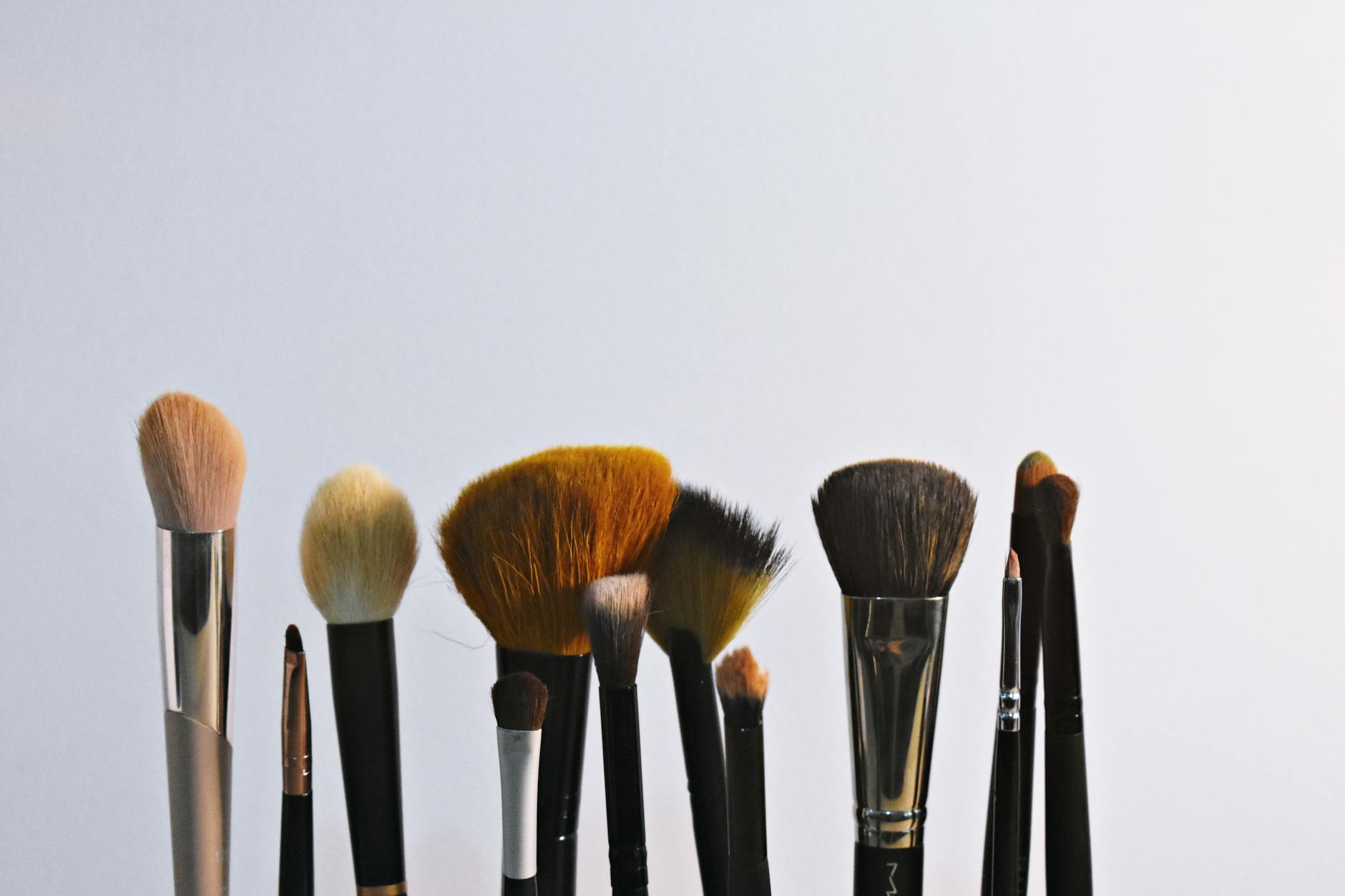
The Glass Skin Revolution
Korean skincare philosophy centers on achieving “glass skin” – complexion so flawless and luminous it resembles polished glass. This ideal has revolutionized Western foundation and concealer markets, pushing brands to develop lighter coverage formulas that enhance rather than mask natural skin texture.
Major beauty retailers report surging demand for Korean-inspired base products. Sephora expanded its K-beauty sections nationwide, while drugstore chains stock cushion compacts – Korean-invented sponge applicators that deliver buildable, dewy coverage. Traditional full-coverage foundations lose market share to BB creams, CC creams, and tinted moisturizers that promise the coveted glass skin effect.
The trend extends beyond products to technique. YouTube beauty tutorials increasingly feature Korean-style application methods: patting rather than blending, layering thin coats for natural build-up, and using facial mists between steps. Western beauty influencers adapt these methods, often crediting Korean creators for the techniques.
Dermatologists note increased patient interest in treatments supporting glass skin goals. Chemical peels, microneedling, and professional facials gain popularity as consumers prioritize skin health over coverage. This represents a fundamental shift from concealment-based beauty to prevention and enhancement-focused routines.
Subtle Features Over Bold Statements
Korean makeup philosophy favors enhancement of natural features rather than dramatic transformation. Straight, barely-there brows replace the carved, Instagram-style arches that dominated Western beauty for years. Gradient lips – where color concentrates at the center and fades outward – challenge the perfectly lined, matte lips popularized by Western influencers.
Eye makeup follows similar principles. Korean-style eye looks emphasize soft washes of neutral color, subtle shimmer on lids, and defined but natural-looking lashes. The smoky eye and winged liner combinations lose ground to more understated techniques that brighten and open the eye area without obvious artifice.
This subtlety extends to contouring practices. Where Western makeup culture embraced dramatic cheekbone sculpting and nose reshaping through strategic shading, Korean-influenced looks favor natural dimension. Blush application moves higher on cheeks for a youthful, naturally flushed appearance rather than structured cheekbone definition.
Color palettes shift accordingly. Peachy pinks, coral tones, and soft browns dominate new product launches, replacing the bold reds, deep purples, and metallic shades that previously defined trend cycles. These gentler tones support the overall aesthetic of enhanced natural beauty rather than dramatic transformation.

Technology Meets Tradition
Korean beauty brands leverage advanced technology to achieve natural-looking results, influencing Western product development significantly. Cushion foundations, pioneered in Korea, use innovative applicator technology that delivers controlled coverage while maintaining skin’s natural texture and movement.
Water-based formulas gain prominence in Western markets, replacing traditional oil-based products. These lighter formulations align with Korean preferences for fresh, breathable makeup that doesn’t compromise skin health. Major Western brands reformulate existing products and launch new lines specifically targeting this demand.
Korean-developed ingredients enter Western formulations regularly. Snail mucin, bee venom, and fermented extracts – once considered exotic – now appear in mainstream American and European beauty products. These ingredients support the glass skin ideal while providing skincare benefits within makeup formulations.
The integration of skincare and makeup – a cornerstone of Korean beauty philosophy – transforms Western product categories. Primers with active ingredients, foundations with SPF and antioxidants, and lip products with moisturizing treatments blur traditional boundaries between cosmetics and skincare.
Similar to how creator economy trends reshape digital beauty content, Korean beauty standards influence how products are marketed and demonstrated across social platforms.
Cultural Shift Beyond Cosmetics
The adoption of Korean beauty standards reflects broader cultural changes in Western societies. Younger consumers, particularly Gen Z, gravitate toward authenticity and natural expression over perfection and transformation. Korean beauty ideals align with these values by emphasizing individual enhancement rather than conformity to rigid beauty templates.
Social media platforms accelerate this cultural transmission. TikTok beauty content increasingly features Korean-inspired routines, often created by Korean-American influencers who bridge cultural gaps. These creators explain not just techniques but cultural contexts, helping Western audiences understand the philosophy behind the practices.
The economic impact extends beyond individual product sales. Beauty retailers restructure floor plans to accommodate K-beauty sections. Department stores partner with Korean brands for exclusive launches. Independent Korean beauty stores open in major Western cities, creating dedicated spaces for culturally authentic shopping experiences.
Professional makeup artists adapt their techniques to meet client demand for Korean-inspired looks. Bridal makeup, red carpet preparation, and editorial work increasingly incorporate glass skin techniques and subtle enhancement methods. Beauty schools add Korean techniques to curriculum, recognizing industry demand for these skills.
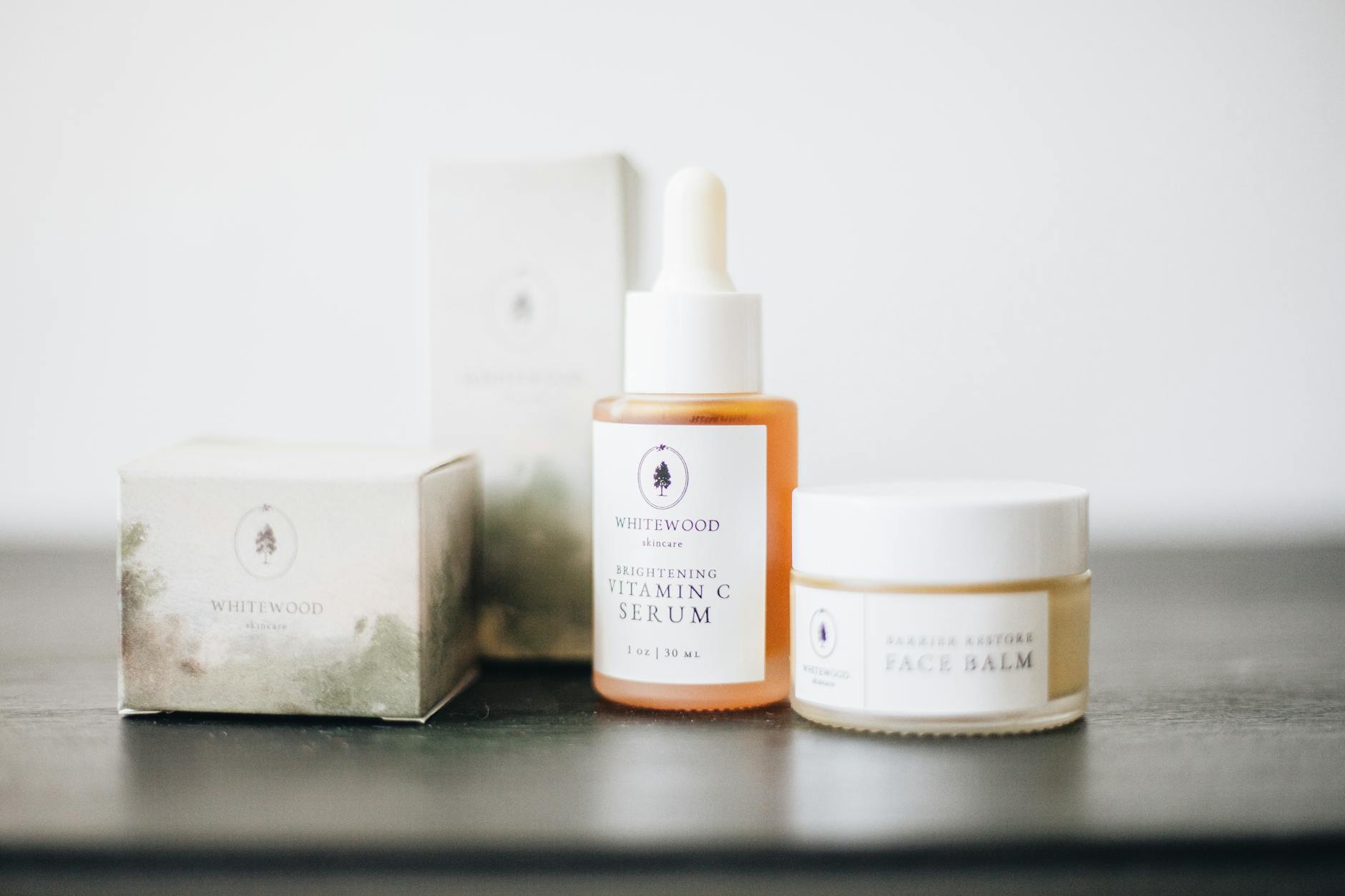
The transformation of Western beauty standards through Korean influence represents more than temporary trend adoption. As consumers increasingly prioritize skin health, natural enhancement, and authentic self-expression, Korean beauty philosophy provides a framework that satisfies these desires while maintaining sophistication and elegance.
This cultural exchange will likely deepen as Korean entertainment continues its global expansion and younger Western consumers mature with these influences. The future of Western beauty may well be defined by this East-meets-West synthesis, creating new standards that honor both enhancement and authenticity.
Frequently Asked Questions
What is glass skin in Korean beauty?
Glass skin refers to a flawless, luminous complexion that appears as smooth and clear as polished glass, achieved through skincare-focused routines.
How do Korean makeup techniques differ from Western styles?
Korean makeup emphasizes natural enhancement, subtle colors, and skin health over dramatic transformation and bold, structured looks.