




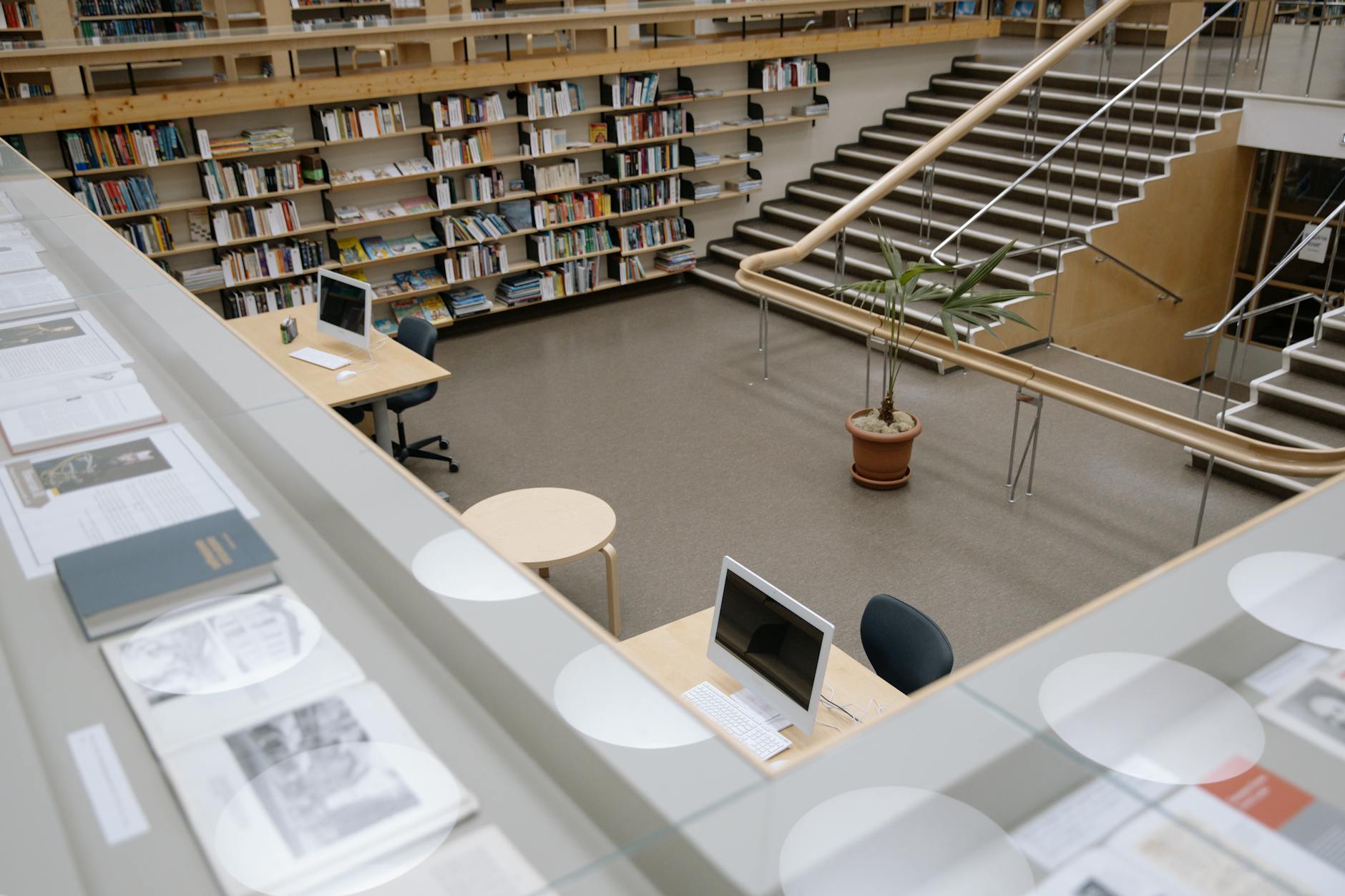
The quiet hum of 3D printers mingles with the soft tapping of keyboards as aspiring novelists craft their next chapters. This scene plays out daily in library makerspaces across the country, where traditional maker tools now share space with writing circles, author workshops, and collaborative storytelling sessions.
Libraries nationwide are transforming their makerspaces from purely tech-focused spaces into hybrid creative hubs that serve writers alongside traditional makers. The shift reflects growing demand from local authors who need affordable workspace, community connection, and access to both digital and physical tools for their craft.
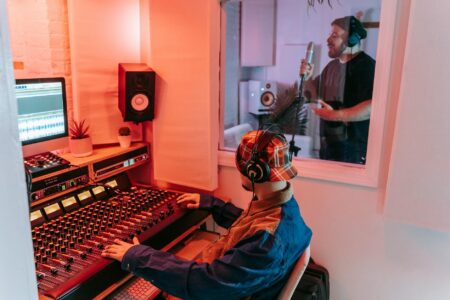
“We noticed our makerspace was underutilized during certain hours, while our writing programs had waiting lists,” says Jennifer Martinez, programming coordinator at Austin Public Library’s Central branch. “Combining them created this incredible synergy where writers are using laser engravers for book covers, podcasters are using our recording booths, and everyone’s inspiring each other.”
From Circuit Boards to Story Boards
The evolution started organically. Writers attending library programs began asking to use computers and printers in makerspaces during off-peak hours. Libraries noticed these informal writing sessions growing into regular meetups, with participants sharing resources and collaborating on projects.
Brooklyn Public Library’s makerspace program expanded to include dedicated writing stations with ergonomic setups, large monitors, and noise-canceling features. They added a “story wall” where writers post character sketches, plot outlines, and inspiration boards alongside engineering diagrams and maker project plans.
“The cross-pollination is fascinating,” notes Sarah Chen, who manages the program at BPL’s Central Library. “We have sci-fi writers consulting with our electronics enthusiasts about realistic tech scenarios, and memoir writers working with our bookbinding equipment to create handmade editions of their work.”
The Seattle Public Library system reports similar trends across multiple branches. Their makerspaces now host “Prototype Your Novel” workshops where authors create physical representations of fictional objects, build setting models, and even design merchandise for imaginary franchises. One fantasy author used the laser cutter to create intricate maps of her fictional world, while a mystery writer built a scale model of her crime scene to work out plot logistics.
Tools Meet Storytelling
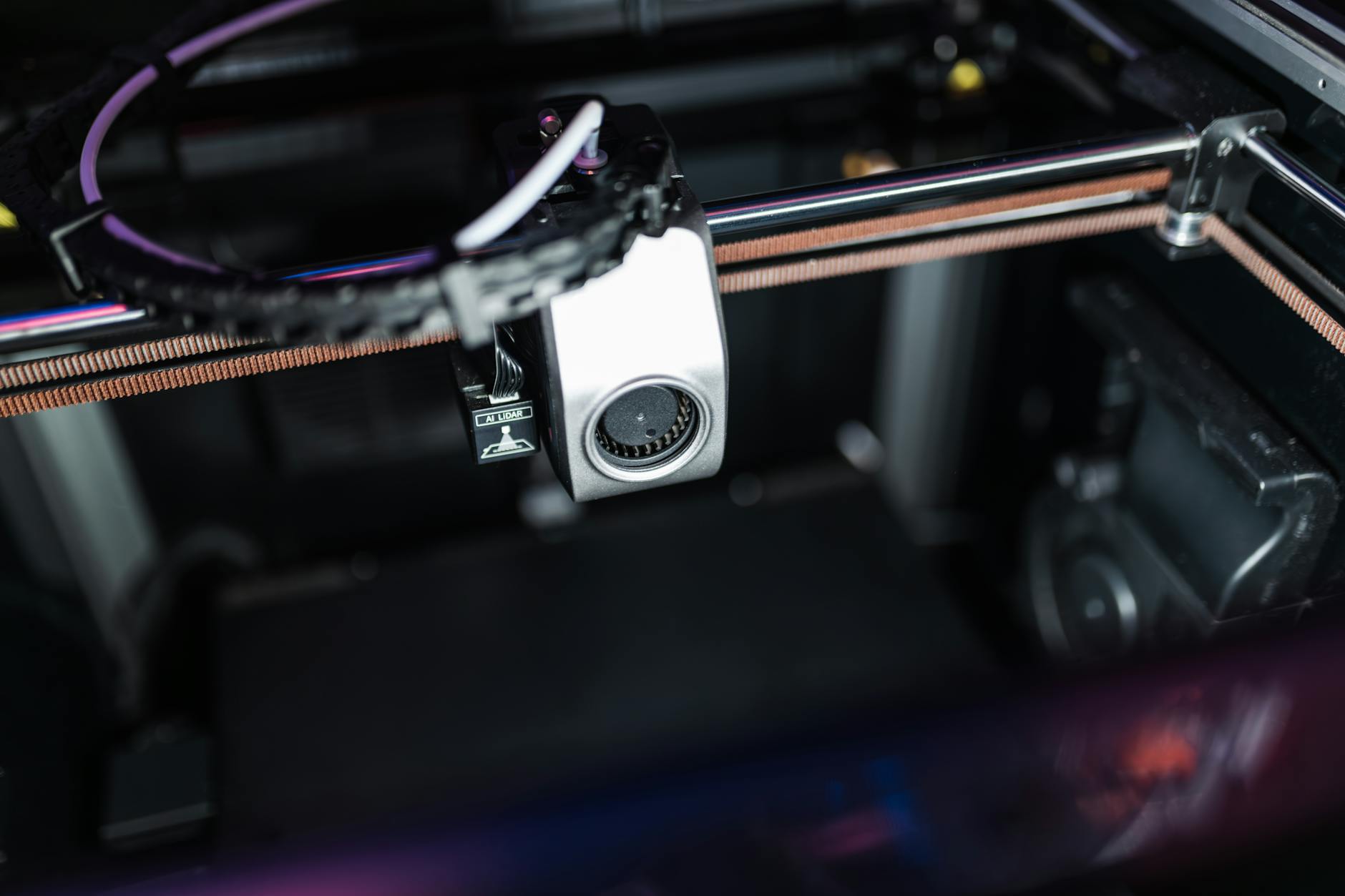
The maker tools themselves are finding unexpected applications in creative writing. Authors use 3D printers to create character figurines for visualization, design book covers with graphic design software, and record audiobook samples in soundproof recording booths originally intended for podcasters.
Detroit Public Library’s makerspace introduced “Author Toolkits” that combine traditional writing resources with maker technologies. Writers can access book binding equipment, poster printers for promotional materials, and even button makers for author swag. The program has grown from 12 participants in its pilot year to over 200 regular users.
“We’re seeing authors approach their craft more entrepreneurially,” explains Marcus Thompson, who oversees the Detroit program. “They’re thinking about the complete package – not just writing the book, but designing covers, creating marketing materials, and building their brand presence.”
The Chicago Public Library system took this concept further by partnering with local independent publishers. Their makerspaces now offer workshops on print-on-demand publishing, where authors learn to format manuscripts, design covers, and understand the technical requirements for self-publishing platforms.
Some writers are discovering entirely new creative processes through maker tools. A poetry collective in Portland uses the laser engraver to create wooden broadsides of their work, while young adult authors in Miami are incorporating QR codes and augmented reality elements into their physical books using makerspace resources.
Community Building Beyond the Page
The social aspect proves as valuable as the tools. Writing, traditionally a solitary pursuit, benefits from the collaborative energy of makerspaces. Authors form critique groups, accountability partnerships, and cross-genre collaborations that wouldn’t naturally occur in genre-specific writing groups.
Philadelphia’s Free Library system reports that their makerspace writing programs have the highest retention rates of any programming they offer. “Writers are staying engaged for months or even years,” says program coordinator Lisa Rodriguez. “They’re building genuine communities around shared creative goals.”
These spaces are also bridging generational gaps in writing communities. Teen writers work alongside retirees crafting memoirs, sharing technical skills and life experiences. A 16-year-old fantasy writer in Phoenix taught a 70-year-old memoirist how to create digital maps, while learning about historical research methods in return.
The programs are attracting diverse voices to library writing communities. The hands-on, collaborative nature appeals to writers who might feel intimidated by traditional workshop formats. Libraries report increased participation from writers of color, non-native English speakers, and those without formal writing education.
Several systems have noted connections to broader publishing trends. Writers participating in makerspace programs show higher rates of self-publishing success, and some have made connections leading to traditional publishing deals. The entrepreneurial mindset fostered in these spaces aligns with industry shifts toward author platform building and direct reader engagement.
Writing’s Creative Future
Library makerspaces are expanding their writing-focused programming for 2024. Plans include partnerships with local writing festivals, author residency programs, and connections with regional publishers seeking new voices. Some systems are exploring specialized equipment like podcast recording setups and video production tools for authors building multimedia platforms.
The model is spreading internationally, with libraries in Canada, the UK, and Australia adapting similar programs. As publishing continues evolving toward multi-platform content creation, these hybrid spaces may represent the future of community-supported creative writing.
The success of these programs reflects a fundamental shift in how writers work and connect. By combining the collaborative spirit of makerspaces with the focused creativity of writing communities, libraries are creating environments where stories don’t just get written – they get built, designed, and shared in entirely new ways.
Frequently Asked Questions
What tools do writers use in library makerspaces?
Writers use 3D printers for character models, laser engravers for book covers, recording booths for audiobooks, and binding equipment for handmade editions.
How do writing programs work in makerspaces?
Libraries offer dedicated writing stations, collaborative workshops, and programs that combine traditional writing with maker technologies for complete book production.