



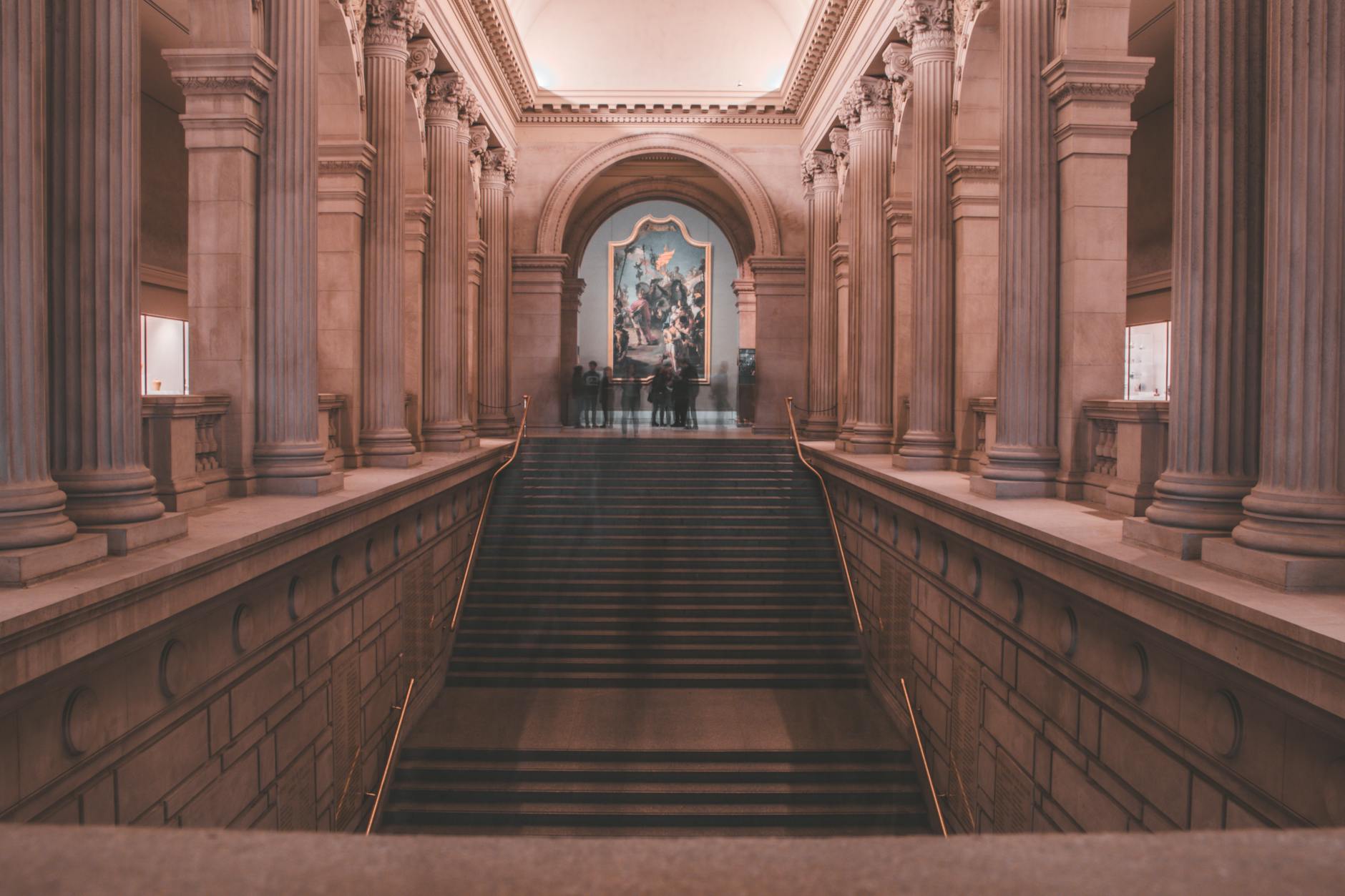
Museums are throwing parties, and the crowds are showing up in ways curators never expected. The Metropolitan Museum of Art’s recent “MetFridays” drew lines around the block, with attendees in their twenties and thirties streaming past marble statues while sipping craft cocktails and taking selfies with ancient artifacts. What started as an experiment to boost evening attendance has become a cultural phenomenon reshaping how institutions connect with younger, more diverse audiences.
The transformation is dramatic. Traditional museum visitors skew older, whiter, and wealthier than the general population. But late-night programming is flipping those demographics. The Brooklyn Museum’s “First Saturday” events now attract crowds where 60% of attendees are under 35, and nearly half identify as people of color. The Philadelphia Museum of Art reports similar shifts during their “PMA After Dark” series, where DJs spin between Renaissance paintings and food trucks park outside neoclassical columns.
The Formula Behind Museum Nightlife Success
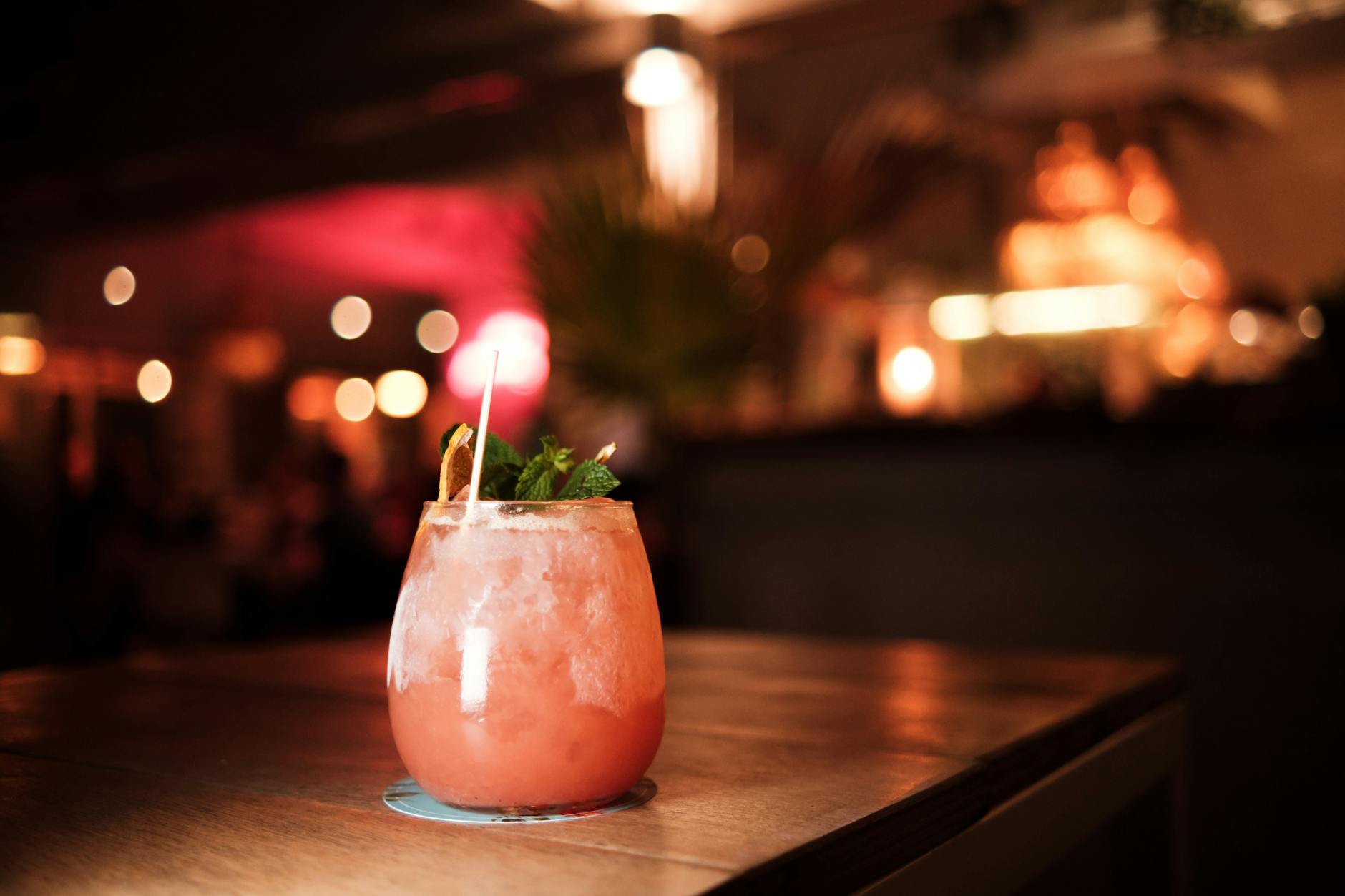
The recipe for successful museum nightlife goes far beyond simply keeping the lights on later. Institutions are partnering with local artists, musicians, and food vendors to create experiences that feel more like exclusive parties than educational field trips. The Natural History Museum in Los Angeles hosts “First Fridays” featuring local bands performing acoustic sets among dinosaur skeletons, while bartenders serve themed cocktails named after extinct species.
Social media drives much of the appeal. These events are inherently Instagram-worthy, offering the perfect backdrop for content creation. The contrast between ancient art and modern party-goers creates compelling visuals that younger audiences eagerly share. The Museum of Contemporary Art in Los Angeles saw their social media engagement spike 300% after launching their monthly late-night series, with attendees posting thousands of photos and stories that serve as free marketing.
Programming plays a crucial role in the success formula. Rather than traditional lectures or guided tours, museums are hosting DJ sets, live performances, pop-up art installations, and interactive workshops. The Smithsonian’s Hirshhorn Museum in Washington, D.C. transforms into a nightclub-like atmosphere during their “After Hours” events, complete with light projections on their iconic cylindrical walls and electronic music that reverberates through galleries typically silent during daytime hours.
Breaking Down Barriers to Cultural Access
The evening format naturally removes many traditional barriers that keep younger and more diverse audiences away from museums. Daytime visits often conflict with work schedules, school commitments, and family responsibilities that disproportionately affect younger demographics. Evening events provide accessibility for people who can’t visit during standard museum hours.
Pricing strategies also play a significant role. Many institutions offer discounted or even free admission during late-night events, removing the financial barrier that keeps many potential visitors away. The High Museum of Art in Atlanta offers free admission to their “Museum Mix” events for visitors under 30, while the Walker Art Center in Minneapolis provides sliding-scale pricing based on age and student status.
The informal atmosphere helps demystify institutions that can feel intimidating or exclusive. Traditional museum etiquette-speaking in hushed tones, keeping hands behind backs, maintaining respectful distance from art-gives way to more relaxed social interaction. Visitors feel comfortable having conversations, taking photos, and engaging with exhibits in ways that feel natural rather than forced.
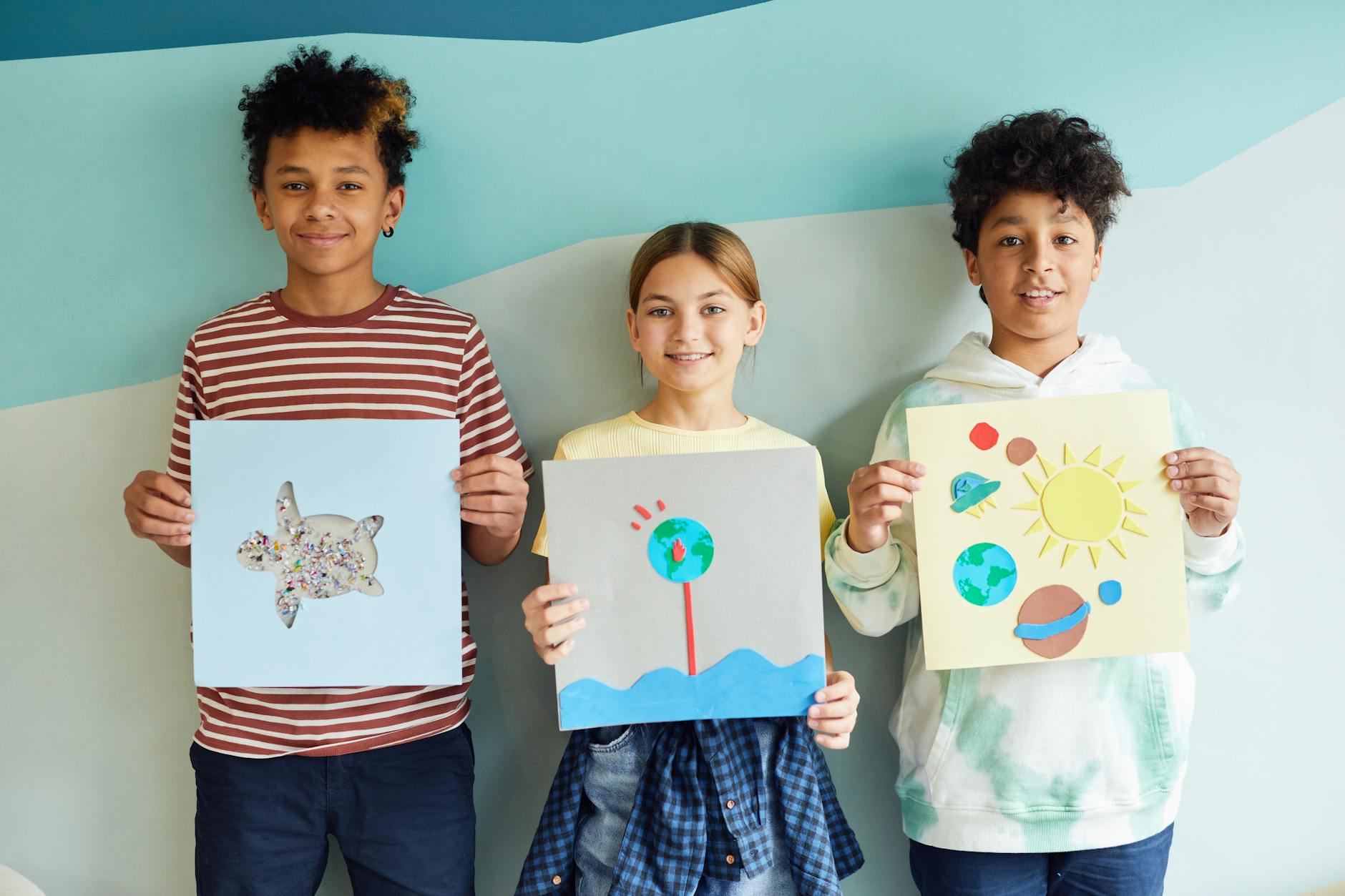
Museum staff report that these relaxed environments actually increase engagement with the actual collections. When visitors feel comfortable in the space, they’re more likely to spend time reading wall text, asking questions, and discussing what they see with friends. The social aspect enhances rather than detracts from the educational mission.
Economic and Cultural Impact
The financial benefits extend beyond ticket sales. Late-night events drive revenue through food and beverage sales, merchandise purchases, and parking fees. The Detroit Institute of Arts reports that their “DIA After Dark” events generate 40% more revenue per visitor than traditional daytime visits, with attendees spending more on cocktails, snacks, and gift shop items.
These events also create opportunities for local businesses and artists. Museums partner with nearby restaurants for catering, local breweries for signature drinks, and emerging artists for special installations or performances. Just as food halls are becoming intimate performance venues, museums are becoming platforms for local creative communities to showcase their work.
The ripple effects benefit entire neighborhoods. Late-night museum events bring foot traffic to areas that might otherwise be quiet after business hours. Restaurants, bars, and shops near museums report increased business on nights when institutions host special events. Some museums coordinate with local establishments to offer discounts or extended hours, creating mini cultural districts that come alive after dark.
Membership conversions represent another crucial metric. Museums report that attendees of late-night events are significantly more likely to purchase annual memberships than traditional first-time visitors. The positive association with the social, fun experience translates into long-term institutional support.
Challenges and Adaptations
Success hasn’t come without obstacles. Security concerns top the list of challenges museums face when hosting evening events. Increased crowds, alcohol service, and looser supervision require additional staffing and modified protocols. The Art Institute of Chicago invested in upgraded security systems and additional personnel training to accommodate their popular “After Dark” series.
Balancing entertainment with education remains an ongoing challenge. Critics argue that party atmospheres diminish the contemplative experience museums traditionally provide. Institutions must walk a fine line between accessibility and maintaining the integrity of their collections and mission. Some museums designate certain galleries as quiet zones during evening events, while others rotate which collections are accessible to prevent overcrowding in sensitive areas.
Noise management becomes crucial in buildings not designed for parties. The Isabella Stewart Gardner Museum in Boston uses acoustic panels and restricts music to certain areas to protect both artworks and the visitor experience. They’ve found that strategic placement of entertainment keeps energy high while preserving the museum’s unique intimate atmosphere.
Looking ahead, museums are expanding late-night programming beyond monthly or quarterly events. Some institutions are testing weekly evening hours with different themes-wellness nights featuring yoga among sculptures, book club meetings in period rooms, or wine tastings paired with specific exhibitions. The success of these experimental formats suggests that museums may soon offer regular nightlife options as standard programming rather than special events.
The transformation reflects broader shifts in how cultural institutions engage with diverse communities. As younger audiences seek authentic, shareable experiences that fit their lifestyles and schedules, museums that adapt their programming and accessibility are positioning themselves for long-term relevance and financial sustainability.
Frequently Asked Questions
What makes museum late-night events different from regular visits?
Evening events feature DJs, cocktails, food vendors, and social atmospheres that make museums feel more like exclusive parties than traditional educational visits.
Are museum late-night events more affordable than regular admission?
Many museums offer discounted or free admission during evening events, with some providing sliding-scale pricing or special rates for younger visitors.