





Museums are fighting an uphill battle against TikTok and Netflix for Gen Z attention. But some institutions are winning by bringing ancient artifacts and classical paintings into the digital age through augmented reality experiences that turn passive viewing into interactive adventures.
The Metropolitan Museum of Art in New York recently launched AR tours that let visitors point their phones at Egyptian sarcophagi to see virtual mummies inside. The Louvre has partnered with tech companies to create AR experiences where visitors can witness the Mona Lisa being painted in real-time through their screens. These aren’t gimmicky add-ons – they’re strategic moves to capture a generation that expects digital interaction with everything they encounter.
Beyond the Velvet Rope: AR Breaks Down Barriers
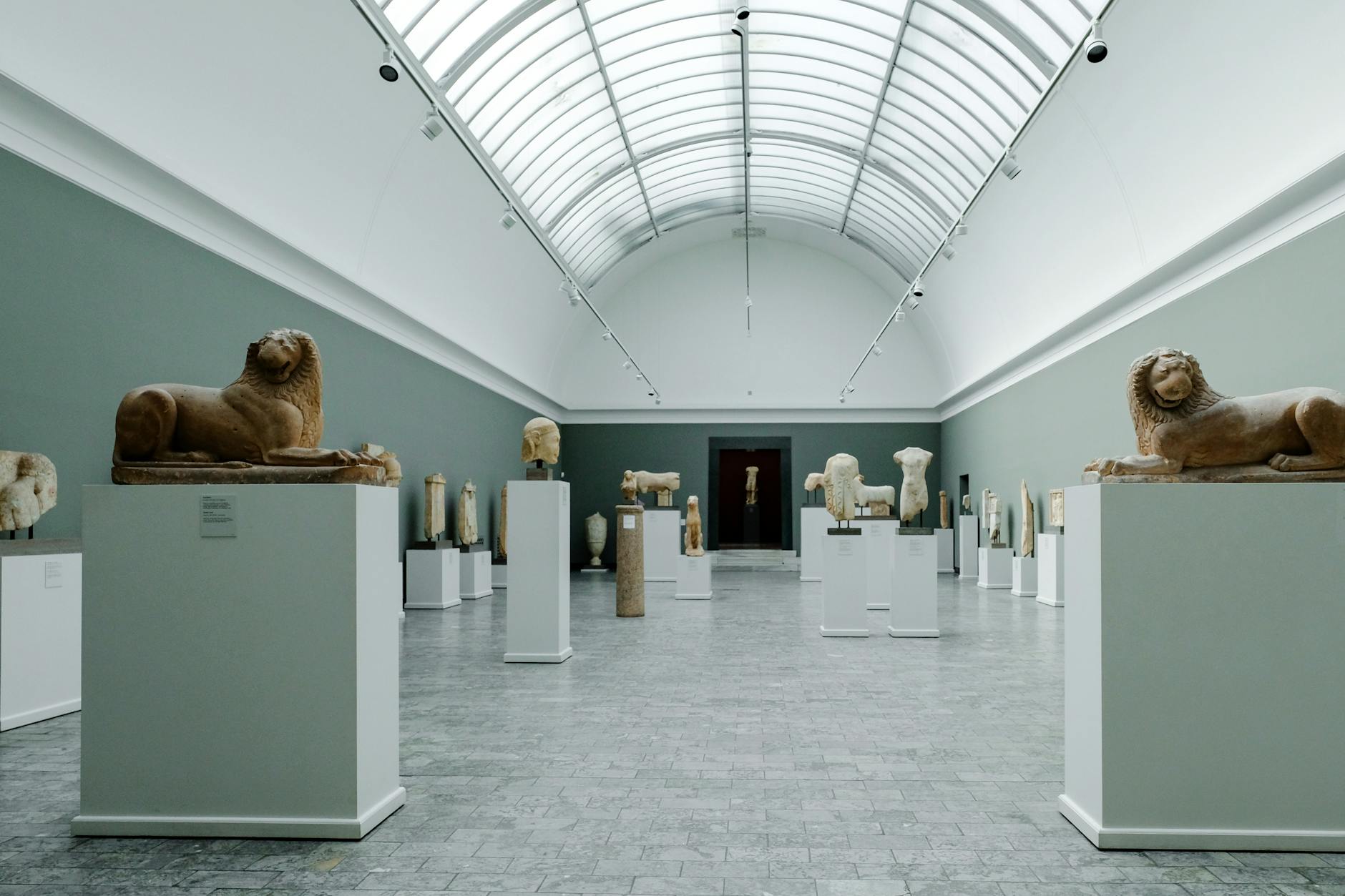
Traditional museums often feel like libraries where touching, talking, or moving too quickly draws disapproving looks from security guards. AR is changing that dynamic by creating layers of interaction that don’t require physical contact with priceless artifacts.
The Smithsonian’s Natural History Museum uses AR to let visitors virtually “handle” fossils that would normally sit behind glass. Through smartphone apps, Gen Z visitors can rotate 3D models of dinosaur bones, zoom into microscopic details, and even see reconstructions of what the creatures looked like when alive. The experience turns a static display into something that feels more like a video game exploration.
The British Museum’s AR experiences go further by adding social elements. Visitors can share their discoveries on social media directly through the AR interface, creating Instagram-worthy moments that older generations couldn’t access. These shareable experiences extend the museum visit beyond the building itself, creating organic marketing through user-generated content.
Several museums report that AR sections have the highest dwell times among visitors under 25. The Cleveland Museum of Art found that Gen Z visitors spend an average of 12 minutes with AR-enhanced exhibits compared to 3 minutes with traditional displays. The technology creates the kind of deep engagement that museums have struggled to achieve with younger audiences.
Making History Personal Through Digital Storytelling
AR’s real power lies in its ability to make historical events feel immediate and personal. The Holocaust Museum in Washington, D.C. uses AR to overlay historical footage onto current locations, showing visitors exactly what happened in specific spots during World War II. Gen Z visitors report feeling more emotionally connected to the material when they can see history unfolding in the spaces where they stand.
The Anne Frank House in Amsterdam has created AR experiences that reconstruct the hidden annex as it appeared during the war years. Visitors can see furniture, personal belongings, and daily life details that have been lost to time. The immersive quality helps bridge the gap between historical knowledge and emotional understanding in ways that traditional exhibits struggle to achieve.
Similar approaches are working across different types of cultural institutions. Art museums use AR to show how paintings looked when first created, before centuries of aging and environmental damage. The Van Gogh Museum lets visitors see “Sunflowers” in its original bright yellows and blues, creating a revelation for viewers who have only seen the faded version hanging on the wall.
These personal connections matter because Gen Z approaches learning differently than previous generations. They expect interactive, multimedia experiences rather than passive consumption of information. Museums that understand this shift are seeing increased attendance and longer visits from younger demographics.
Social Media Integration Drives Repeat Visits
Museums are discovering that AR experiences designed for social sharing create viral marketing opportunities. The Museum of Ice Cream in New York built its entire brand around Instagram-worthy moments, and traditional institutions are adapting similar strategies through AR technology.
The Guggenheim Museum’s AR app includes built-in filters that let visitors create content with famous artworks as backgrounds. Instead of fighting against phone usage in galleries, they’re encouraging it through designed interactions. Visitors become advocates for the museum when they share these experiences with their networks.
Just as video game soundtracks are finding new audiences through streaming platforms, museums are finding new visitors through social media exposure generated by AR experiences. The viral nature of shareable AR content brings people who might never have considered a museum visit.
Some institutions report that AR-generated social media posts drive more website traffic than traditional advertising campaigns. The authentic, user-generated nature of these posts carries more credibility with Gen Z audiences than polished marketing materials.
The Technology Behind Cultural Transformation
The AR systems museums use range from simple smartphone apps to sophisticated headset experiences. Apple’s ARKit and Google’s ARCore platforms have made it easier for cultural institutions to develop custom applications without massive technology budgets. Many museums partner with universities or tech companies to develop experiences that showcase both historical content and cutting-edge innovation.
The technical implementation varies based on the institution’s goals and resources. Smaller museums might use QR codes that trigger AR experiences through visitors’ phones, while larger institutions invest in custom applications with advanced features like spatial mapping and multi-user experiences.

Cloud computing has made these experiences more reliable and scalable. Museums can now handle hundreds of simultaneous AR users without system crashes that would have been common just a few years ago. The infrastructure improvements have made AR practical for daily operations rather than special events.
The cost-effectiveness of AR compared to traditional exhibit renovations makes the technology attractive to institutions with limited budgets. Instead of rebuilding physical displays every few years, museums can update digital content regularly to keep experiences fresh and relevant.
Future of Cultural Engagement
Museums investing in AR technology are positioning themselves for a generation that will expect digital interaction in all cultural spaces. As the technology becomes more sophisticated and widely adopted, institutions that embrace these tools now will have significant advantages in attracting and retaining younger audiences.
The success of AR in museums demonstrates that Gen Z isn’t rejecting traditional culture – they’re demanding it be presented in formats that match their digital-native expectations. Museums that understand this distinction are thriving, while those clinging to purely traditional approaches struggle with declining youth attendance.
Cultural institutions worldwide are watching these early adopters to understand what works and what doesn’t in AR implementation. The lessons learned in major museums are already spreading to smaller institutions, creating a network effect that’s transforming how we experience art, history, and culture in public spaces.
Frequently Asked Questions
How are museums using AR to attract younger visitors?
Museums use AR to create interactive experiences where visitors can virtually handle artifacts, see historical reconstructions, and share social media content directly through museum apps.
What makes AR effective for Gen Z museum visitors?
AR provides the interactive, multimedia experiences Gen Z expects, turning passive viewing into engaging exploration while enabling social media sharing.