





A Goal That Changed Everything
Last November, Scott McTominay threw his body into an acrobatic strike against Denmark and, in doing so, handed Scotland something the country had not held in nearly three decades: a place at the World Cup. The goal wasn’t tidy. It didn’t need to be. It landed, and that was enough to end a 27-year absence from football’s largest stage.
For the Tartan Army – the name long given to Scotland’s famously devoted and frequently heartbroken fanbase – the qualification wasn’t just a sporting result. It was a cultural event, the kind that reorganizes a country’s emotional calendar around a single moment and a single man.

McTominay and the Weight of a Nation
The midfielder has been a steady presence for both club and country, but nothing in his career carried the symbolic freight of that Denmark match. Scotland’s World Cup drought stretched back far enough that an entire generation of supporters had grown up, started families, and watched other nations celebrate in tournaments their own team had no part in. Twenty-seven years is long enough for absence to calcify into identity – long enough for a fanbase to half-believe that qualification was something that happened to other countries.
McTominay’s goal cracked that open. The acrobatic nature of it mattered beyond aesthetics: it was not a tap-in or a penalty, not a bureaucratic kind of goal. It was the sort of finish that demands a full commitment of the body, a kind of physical declaration. Scotland didn’t sneak into the tournament. They earned it with something worth remembering.
The reaction in the stands and in the streets reflected the scale of what supporters understood they were witnessing. The Tartan Army, known across football for traveling in enormous, good-natured numbers regardless of their team’s fortunes, had spent 27 years without a major reason to make the journey. Now they have one. The logistics of that – the flights, the flags, the organized chaos of thousands of Scots descending on a host nation – are already underway.
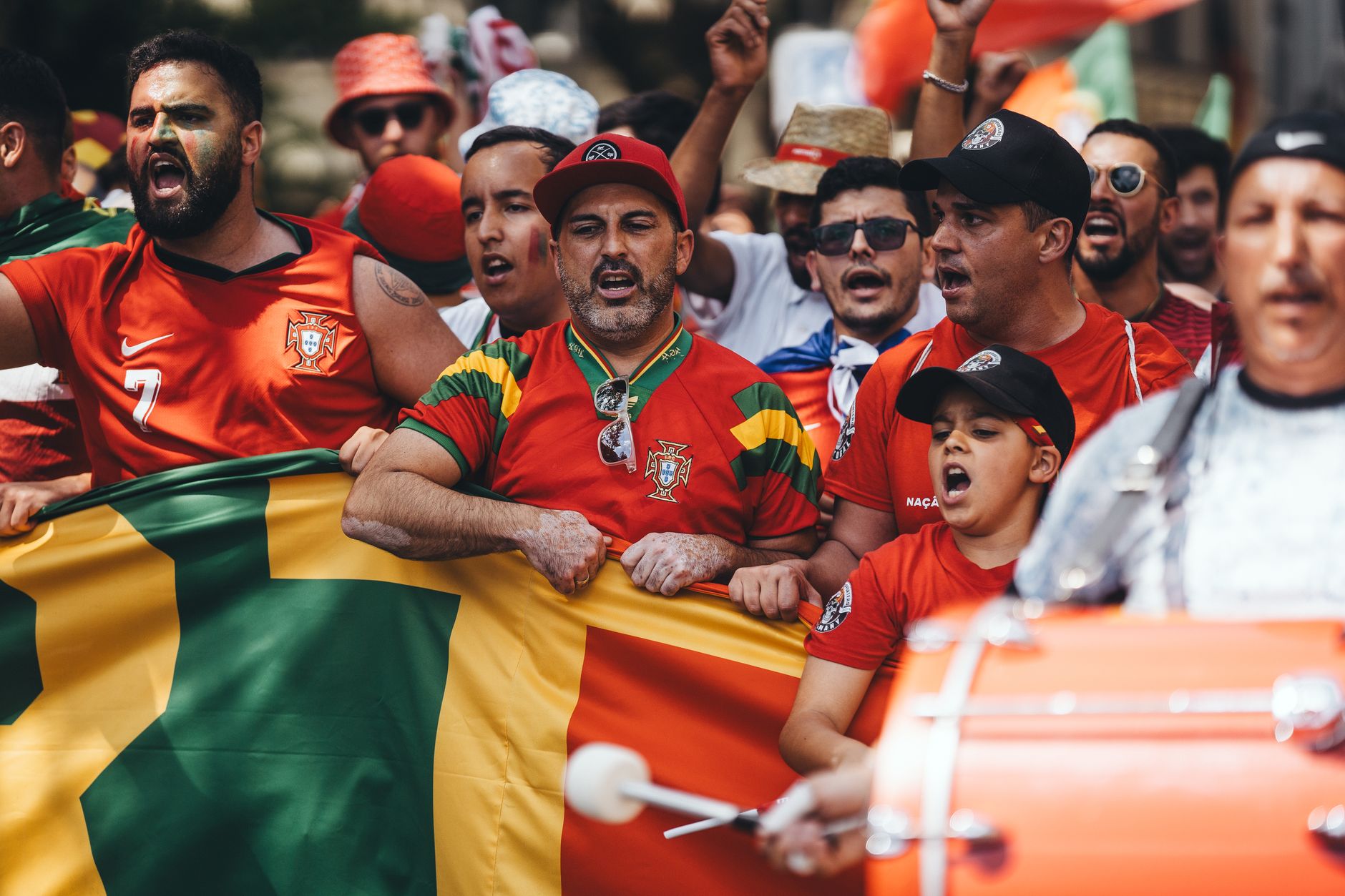
What the Tartan Army Actually Means
Scotland’s football culture carries a particular texture that doesn’t translate easily into broadcast shorthand. The Tartan Army is not simply a nickname for fans who show up. It is a semi-organized, self-aware community with its own traditions, a reputation for leaving host cities in better shape than they found them, and a humor about failure that comes from long practice. They have been, for decades, one of international football’s more interesting sociological phenomena – a fanbase whose identity had become almost more defined by the act of faithful attendance than by any expectation of winning.
That identity gets tested now, in a different way. Winning – or at least competing at a World Cup – changes the terms. The Tartan Army built its culture around showing up with grace when the result was already half-assumed to be painful. What they do with genuine expectation and a genuine chance is a different kind of story.
The Long Road Back
Scotland last appeared at a World Cup in 1998, a tournament in France where they were eliminated in the group stage. In the years that followed, they developed a particular talent for near-misses and qualifying collapses that became almost ritualistic. Managers changed. Players came and went. The squad occasionally assembled enough talent to raise hopes before finding new and inventive ways to fall short.
McTominay, now among the most prominent names in that squad, represents something of a shift in the raw quality Scotland can field. His form at club level and his reliability for the national team made him the player supporters pointed to when the conversation turned to whether this cycle might finally be different. That conversation ended in November with a goal against Denmark.
What makes the moment stranger and more interesting is how long the wait was. A 27-year gap means that most of the players now celebrating qualification were not alive the last time Scotland featured in a World Cup. They grew up watching the tournament the same way the fans did – from the outside. There is something genuinely odd about preparing to play in a competition you have only ever seen on television.
The party the Tartan Army is now organizing has been 27 years in the making, which is a long time to know exactly what you want to drink when the moment finally arrives. McTominay’s acrobatic finish against Denmark will be replayed for years. For Scottish football, it is already the kind of clip that gets shown at the start of documentaries – the image a culture reaches for when it needs to mark the point where things changed. Whether that change holds through the tournament itself is the question that now sits at the center of everything.

The Tartan Army is booking flights. Scott McTominay is 27 years old.