




The smartwatch revolution might be over before it truly began. While Apple Watches and Galaxy Watches dominated wrists for the past decade, a new category of wearable technology is quietly stealing their thunder. Smart rings, once dismissed as novelty gadgets, are becoming the preferred status symbol for tech-savvy professionals who want functionality without the flashy display.
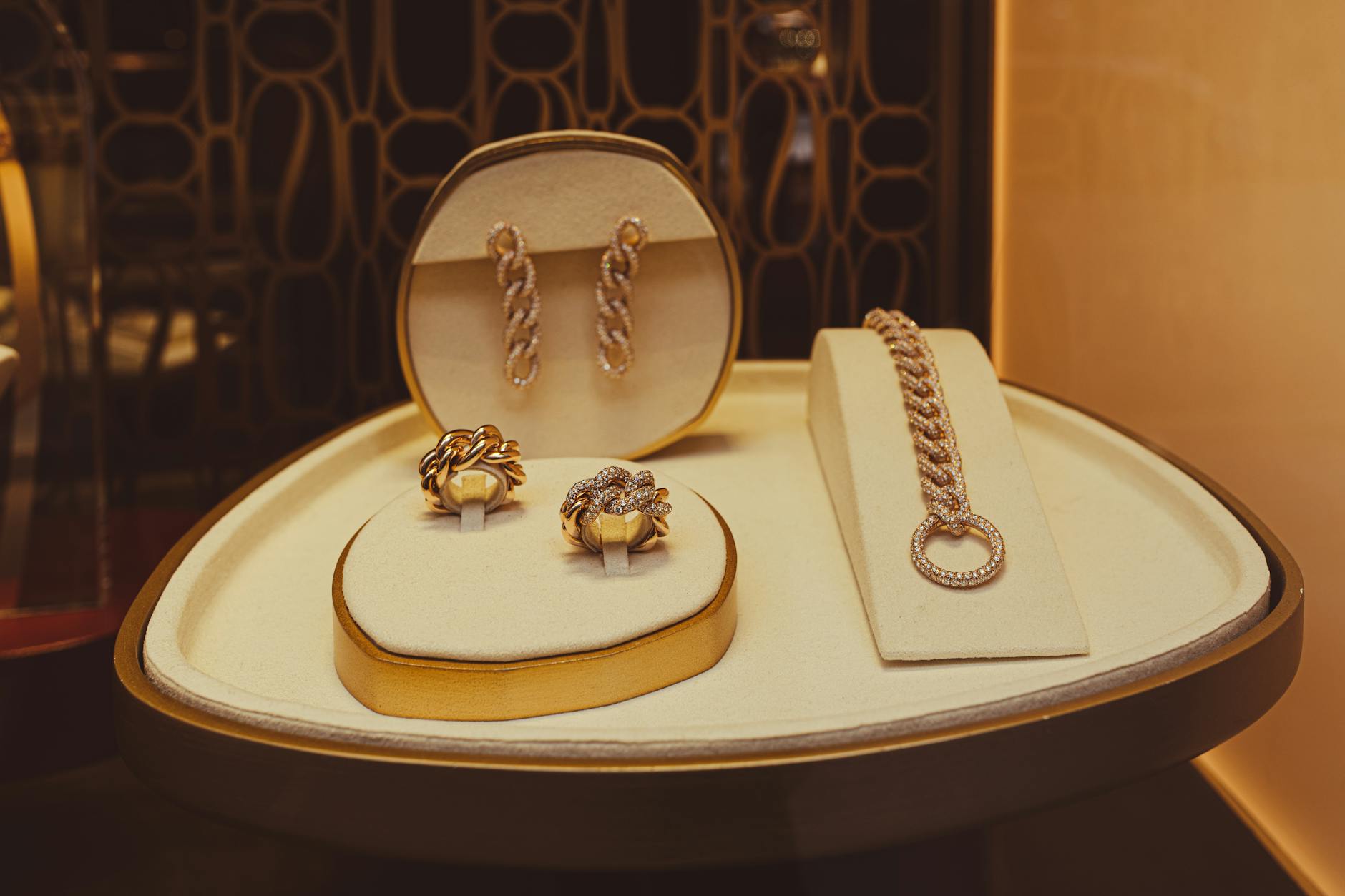
Unlike their bulkier predecessors, smart rings offer a minimalist approach to wearable technology. These sleek devices pack impressive capabilities into a form factor no larger than a traditional wedding band. Companies like Oura, Samsung, and Circular have transformed what was once science fiction into everyday luxury accessories that celebrities and executives wear to board meetings and red carpet events.
The appeal goes beyond mere aesthetics. Smart rings represent a fundamental shift in how we think about technology integration. Instead of constantly glancing at screens, users receive subtle vibrations and rely on companion apps for detailed data. This discrete approach to connectivity has caught the attention of everyone from Silicon Valley executives to Hollywood stars who need to stay connected without the distraction of constant notifications.
The Stealth Technology Revolution
Smart rings excel where smartwatches often fail – invisibility. The Oura Ring, which reportedly counts celebrities like Jennifer Aniston and Jack Dorsey among its users, looks identical to a standard black or silver band. Yet beneath its surface lies an array of sensors capable of tracking heart rate, sleep patterns, body temperature, and activity levels with remarkable precision.
This stealth factor has made smart rings particularly popular in professional settings where smartwatches might seem inappropriate or distracting. Investment bankers, surgeons, and high-level executives appreciate technology that doesn’t announce its presence during important meetings or formal events. The rings integrate seamlessly with business attire, offering the same health monitoring capabilities as smartwatches without the visual distraction.
Samsung’s Galaxy Ring, launched earlier this year, has pushed this concept even further by integrating with the company’s broader ecosystem of devices. Users can control their smartphones, tablets, and smart home devices with subtle gestures, making the ring feel more like a remote control for their digital life than a standalone gadget.
The battery life advantage cannot be overstated. While most smartwatches require daily charging, quality smart rings can operate for up to a week on a single charge. This reliability factor has converted many former smartwatch enthusiasts who grew tired of yet another device demanding daily attention.
Status Symbol Economics
The price positioning of smart rings reflects their luxury status. Premium models from Oura and Samsung typically retail between $300 and $500, placing them in direct competition with high-end smartwatches. However, the perceived value proposition differs significantly. Where smartwatches often appear gadgety or sporty, smart rings communicate sophistication and restraint.
This positioning has created an interesting market dynamic. Tech executives and venture capitalists, groups traditionally drawn to the latest innovations, have embraced smart rings as a way to demonstrate their forward-thinking approach while maintaining professional appearances. The rings serve as conversation starters in business settings, allowing wearers to showcase their tech awareness without appearing ostentatious.
The subscription model employed by many smart ring companies adds another layer to their status appeal. Oura charges a monthly fee for detailed health insights, creating an ongoing relationship that extends beyond the initial hardware purchase. This recurring investment signals commitment to personal optimization and data-driven health decisions, values highly prized in executive circles.
Limited availability and waiting lists for popular models have only enhanced their desirability. Unlike smartwatches, which are readily available at any electronics retailer, obtaining a premium smart ring often requires patience and planning. This scarcity creates an exclusivity factor that appeals to status-conscious consumers.
The Health Data Advantage
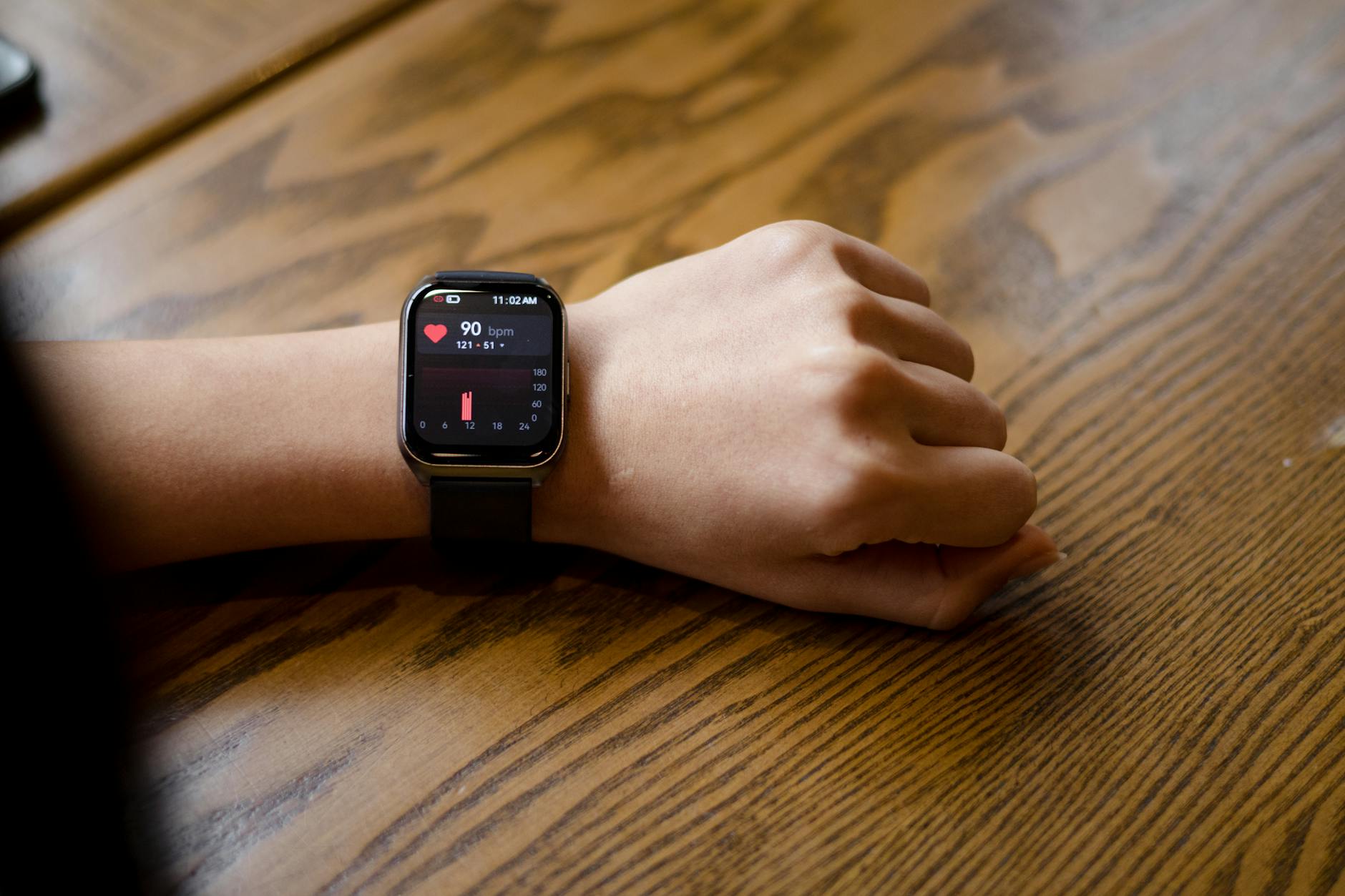
Smart rings have carved out a unique niche in health monitoring by focusing on metrics that smartwatches often handle poorly. Sleep tracking, in particular, has become a signature strength of smart rings. Without a bright screen or bulky case, these devices can monitor sleep patterns without causing discomfort or distraction.
The continuous monitoring capabilities of smart rings provide insights that periodic smartwatch measurements might miss. Body temperature fluctuations, stress indicators, and recovery metrics are tracked consistently throughout the day, creating comprehensive health profiles that many users find more valuable than step counts or workout summaries.
This health focus has attracted attention from medical professionals and wellness enthusiasts who appreciate the rings’ scientific approach to personal data. Unlike smartwatches that often emphasize fitness gamification, smart rings present information in clinical formats that feel more serious and actionable.
The integration with health apps and services has created ecosystems around smart ring data. Users can share information with doctors, personal trainers, and wellness coaches, making the rings tools for professional health management rather than casual fitness tracking. This professional application has elevated smart rings beyond consumer gadgets into legitimate health monitoring devices.
Professional athletes and fitness influencers have also embraced smart rings for their unobtrusive monitoring during training and competition. The rings don’t interfere with equipment or movement the way smartwatches might, making them ideal for activities where traditional wearables prove problematic.
The Design Philosophy Shift
The rise of smart rings represents a broader design philosophy that prioritizes integration over innovation for its own sake. While smartwatches pack numerous features into increasingly complex interfaces, smart rings focus on doing fewer things exceptionally well. This minimalist approach resonates with consumers experiencing digital fatigue from constantly buzzing, flashing, and demanding devices.
The aesthetic appeal of smart rings cannot be ignored. Unlike smartwatches, which clearly identify their wearers as tech enthusiasts, smart rings blend seamlessly with personal style. They complement both casual and formal wardrobes without making technology the focal point of an outfit. This versatility has made them particularly popular among fashion-conscious professionals who want technology that enhances rather than dominates their appearance.
The form factor also addresses practical concerns that smartwatch users have long accepted as unavoidable. Smart rings don’t snag on clothing, interfere with typing, or require frequent band adjustments. They’re genuinely wearable in situations where smartwatches prove cumbersome or inappropriate.
This design evolution reflects changing attitudes toward technology integration. The early adopter mentality of showcasing the latest gadget has given way to a preference for invisible functionality. Smart rings deliver on the original promise of wearable technology – seamless integration with daily life without constant reminders of their technological nature.

The trajectory of smart ring adoption suggests they’re not merely a trend but a fundamental reimagining of wearable technology. As sensor technology continues to miniaturize and battery efficiency improves, the capabilities gap between rings and watches will likely narrow while the form factor advantages remain decisive.
Major technology companies are reportedly investing heavily in smart ring development, recognizing the category’s potential to capture users who find smartwatches too intrusive or conspicuous. The success of early entrants like Oura has proven market demand exists for sophisticated health monitoring in truly wearable form factors.
The smart ring revolution isn’t about replacing all smartwatch functionality – it’s about offering a more refined alternative for users who prioritize subtlety, style, and focused health monitoring over comprehensive smartphone replacement. As Apple continues expanding health features across its ecosystem, smart rings represent the logical evolution of personal health technology toward invisibility and integration.
For professionals and style-conscious consumers, smart rings offer something smartwatches never could – technology that enhances without announcing itself. In a world increasingly skeptical of conspicuous tech consumption, this discretion has become the ultimate luxury feature.
Frequently Asked Questions
How long do smart ring batteries last compared to smartwatches?
Smart rings typically last 5-7 days on a single charge, significantly longer than most smartwatches which require daily charging.
What health metrics can smart rings track?
Smart rings monitor heart rate, sleep patterns, body temperature, stress levels, and activity with continuous tracking throughout the day.