





A Monster Movie That Walked Away With Hollywood’s Highest Honor
When Godzilla Minus One took home the Academy Award for Best Visual Effects in 2024, the room absorbed a particular kind of shock – not the performative gasp of an upset, but something quieter and more disorienting. A Japanese kaiju film, made outside the Hollywood studio system, had just beaten the industry at its own technical game. The director behind it, Takashi Yamazaki, had spent years working in Japanese commercial cinema with little profile in the West. That night changed the shape of his career permanently.
Yamazaki’s victory wasn’t a fluke of category confusion or a thin field of nominees. It was the result of deliberate, almost stubborn craftsmanship – a filmmaker who understood exactly what the original Godzilla mythology demanded and refused to soften those demands for a broader market.
The monster had come home.
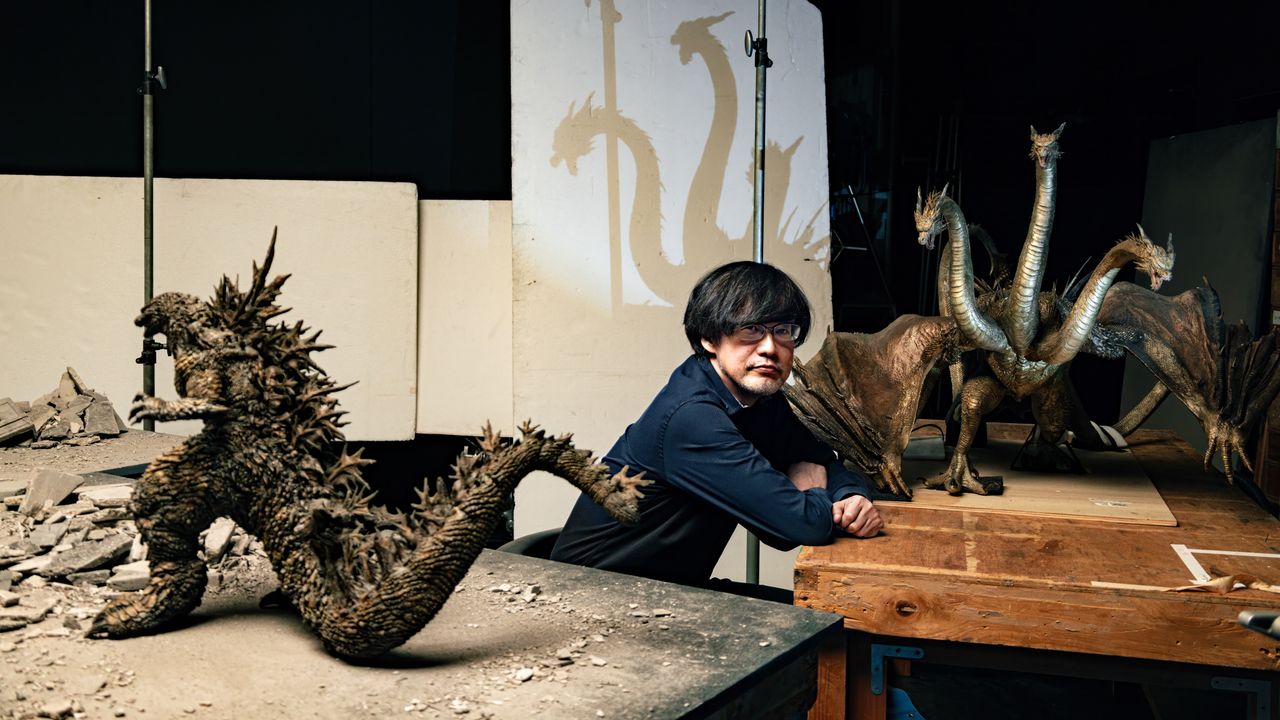
The Weight of the Original
Godzilla is not simply a franchise property in Japan the way it has sometimes been treated in American adaptations. The 1954 original, directed by Ishiro Honda, was made in direct response to the atomic bombings of Hiroshima and Nagasaki and the irradiation of the fishing vessel Lucky Dragon No. 5 – it carried genuine national trauma inside a monster suit. Yamazaki understood that any serious attempt to revive the saga had to reckon with that origin, not paper over it with spectacle. His approach to Godzilla Minus One was grounded in exactly that reckoning: a postwar Japan already reduced to rubble confronting a creature that embodies annihilation itself.
The title is the whole argument. If Japan after the war was already at zero – defeated, occupied, cities leveled – then Godzilla’s arrival takes the country below zero. The minus-one framing isn’t a marketing concept. It is the film’s moral and emotional architecture, and Yamazaki built everything around it. Character, pacing, visual grammar – all of it organized around the idea of a people with nothing left to lose facing something that promises to take even that.
What made the task harder was that Yamazaki had a specific predecessor to live up to, not just a general tradition. Toho’s catalogue stretches across decades and tonal registers, from the somber original to the camp of the Showa era to the sleek menace of Hideaki Anno’s Shin Godzilla in 2016. Each of those films made its own argument about what the creature means. Yamazaki had to find a register that was distinctly his own while remaining in conversation with all of them, a balancing act that collapses more often than it succeeds.
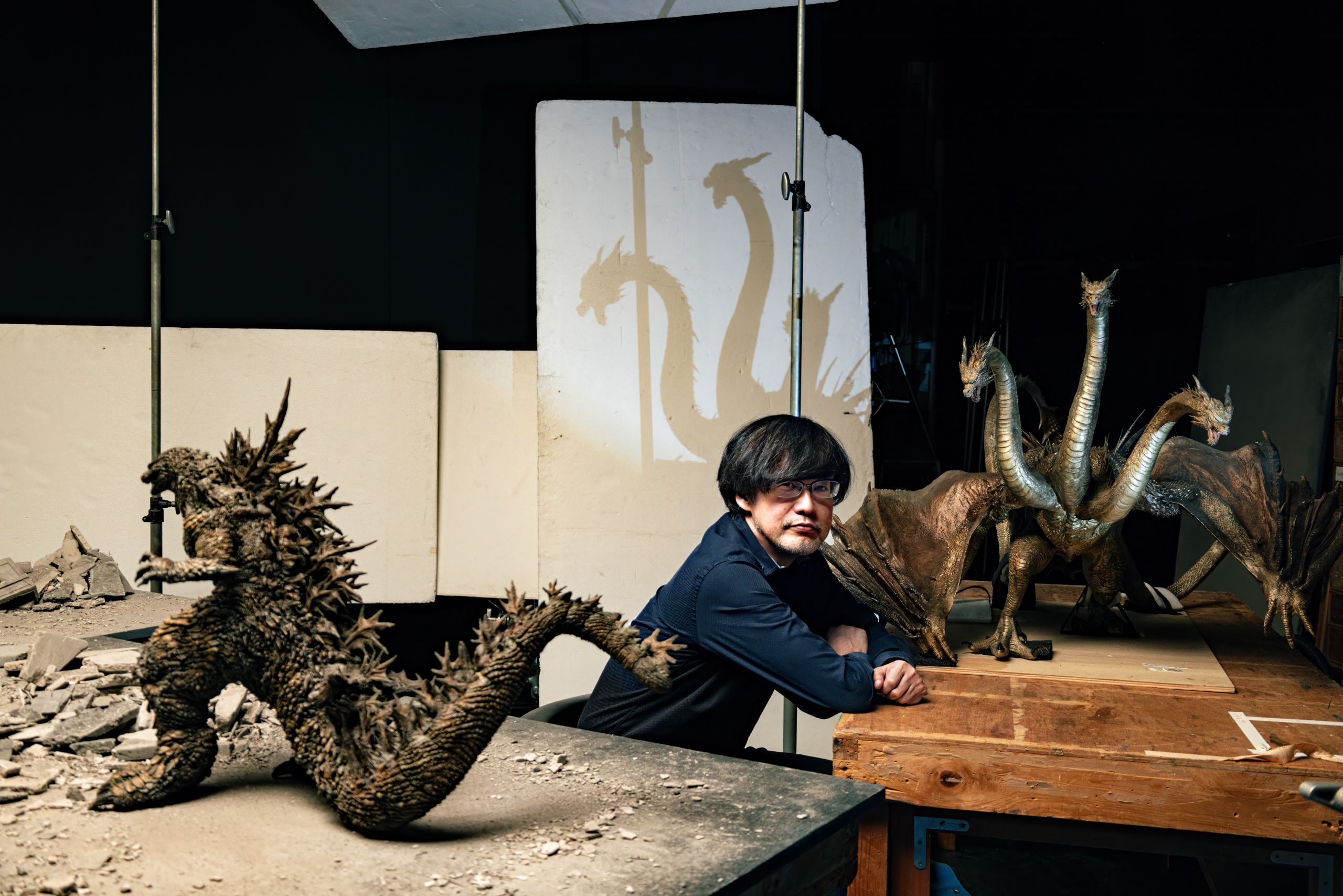
How He Actually Built the Film
Yamazaki came to the project with a background in visual effects as well as directing, which shaped how Godzilla Minus One was produced at a budget dramatically lower than Hollywood monster films typically require. He controlled the VFX pipeline closely, making decisions at the production design stage that would reduce rendering complexity without sacrificing visual impact. The result was a film that looked expensive without costing what expensive usually costs – a gap that became part of the Oscar narrative when the industry realized what had been accomplished for the money.
The human story he built around Godzilla centers on Koichi Shikishima, a kamikaze pilot who survived the war carrying guilt he cannot discharge. That psychological weight gives the film somewhere to go beyond destruction sequences. Yamazaki was deliberate about keeping the monster off screen for extended periods, using its absence as pressure – the audience knows what’s coming, and dread accumulates in the quiet. It is a technique as old as Jaws, and it works here for the same reason it worked there: the imagined creature is always larger than the visible one.
Yamazaki has described his goal as making Godzilla Minus One feel worthy of the saga’s original installment – not a reboot, not a reimagining in the contemporary Hollywood sense, but a film that could sit beside the 1954 Ishiro Honda film without embarrassment. That is an almost impossibly high bar to set for yourself, and the Oscar suggests he cleared it, at least by one measure. Whether the film will hold its place in the longer Godzilla canon is a question that gets answered over decades, not at awards ceremonies.
For a director whose work had largely circulated within Japan, the international reception of Godzilla Minus One opened a different kind of conversation – one about whether prestige monster cinema, made outside the American studio system, on a fraction of a blockbuster budget, with a story rooted in specifically Japanese historical grief, could find a genuinely global audience. The 2024 Oscar said yes. What Yamazaki does with that answer is the more interesting question, and one he hasn’t finished working out yet. Films that carry that kind of emotional specificity tend to age differently than those built for universality from the start.

Yamazaki built a film about a country at negative-one trying to survive something that shouldn’t exist – and walked into the Dolby Theatre in 2024 and won. The budget for the visual effects that beat Hollywood’s best work has not been officially disclosed, but estimates place it at a fraction of what any of the competing films spent. That fraction is now on a shelf somewhere in Japan, next to a statuette.