





The orchestral swells of “Elden Ring” and the synthwave beats of “Cyberpunk 2077” now compete with Taylor Swift and Bad Bunny for streaming dominance. Video game soundtracks have quietly revolutionized music consumption, with gaming compositions claiming millions of monthly listeners and reshaping how we discover and enjoy music.
Spotify’s global charts reveal a striking trend: tracks from “The Legend of Zelda,” “Final Fantasy,” and “Halo” regularly outperform mainstream pop hits. The phenomenon extends beyond background music for gaming sessions. Millions of listeners actively seek out these compositions for studying, working, and relaxation, treating them as standalone musical experiences rather than mere gaming accessories.

From Background Noise to Chart-Topping Hits
Gaming soundtracks have evolved from simple 8-bit melodies to full orchestral masterpieces that rival Hollywood film scores. Composers like Jesper Kyd, who crafted the haunting themes for “Assassin’s Creed,” and Koji Kondo, the genius behind Nintendo’s most iconic melodies, now enjoy celebrity status typically reserved for pop stars.
The transformation reflects gaming’s cultural ascendancy. As video games became a dominant entertainment medium, their soundtracks gained legitimacy as serious musical art. Spotify data shows that video game music playlists have grown by over 1,200% in the past five years, with some individual tracks accumulating more than 100 million streams.
“Minecraft” composer C418’s ambient electronic tracks exemplify this crossover success. His album “Minecraft – Volume Alpha” streams consistently in the millions, attracting listeners who have never played the game but connect with its meditative soundscapes. The music transcends its original context, functioning as a gateway to electronic and ambient genres for younger audiences.
The Productivity Playlist Revolution
Gaming music’s streaming success stems largely from its unique structural properties. Unlike pop songs designed for emotional peaks and valleys, game soundtracks are engineered for extended listening without becoming repetitive or distracting. This makes them perfect for concentration-heavy activities like studying or remote work.
Lo-fi hip-hop playlists dominated the “focus music” category until gaming soundtracks emerged as serious competition. Tracks from “Animal Crossing,” “Stardew Valley,” and “Journey” now populate countless productivity playlists, their gentle melodies and absence of lyrics creating ideal background soundscapes.
The trend accelerated during remote work adoption, as professionals sought alternatives to traditional office background music. Gaming soundtracks offered familiar comfort for millennials and Gen Z workers while providing the steady, non-intrusive rhythms needed for sustained focus. Spotify’s algorithm learned to recommend these tracks to users searching for concentration music, creating a feedback loop that boosted their popularity.

Corporate environments have noticed. Some companies now officially incorporate gaming soundtracks into their workplace playlists, recognizing their effectiveness for maintaining productivity without the licensing complexities of mainstream music. The music’s association with achievement and progression – core elements of game design – psychologically primes listeners for task completion.
Streaming Services Embrace Gaming Culture
Major streaming platforms have rapidly adapted to capitalize on gaming music’s popularity. Spotify launched dedicated gaming hubs featuring curated playlists, artist spotlights, and exclusive content from game composers. Apple Music and YouTube Music followed suit, creating specialized sections for video game soundtracks and related content.
The platforms benefit from gaming music’s unique streaming patterns. While pop songs might spike during release weeks then fade, gaming soundtracks maintain consistent streaming numbers over years. Players return to beloved game music long after completing campaigns, creating sustainable revenue streams for both platforms and composers.
Exclusive partnerships have become common. Spotify secured early streaming rights for major releases like “Halo Infinite” and “God of War Ragnarok” soundtracks, treating them with the same promotional priority as major album drops. These collaborations reflect gaming music’s commercial viability and cultural significance.
Social media integration amplifies the trend. TikTok users frequently incorporate gaming music into content, exposing non-gamers to tracks from popular titles. The platform’s algorithm spreads these sounds organically, creating viral moments that drive streaming numbers across all platforms. Much like how Gen Z prefers home streaming for movies, this generation gravitates toward gaming soundtracks for their music consumption.
The Symphony Hall Goes Digital
Traditional classical music institutions have embraced gaming soundtracks as a bridge to younger audiences. Symphony orchestras worldwide now regularly perform “Video Games Live” concerts, selling out venues with programs featuring music from “Final Fantasy,” “World of Warcraft,” and “The Elder Scrolls.”
These live performances translate directly to streaming success. Concert recordings often become the most popular versions of gaming tracks on Spotify, combining the emotional impact of live orchestration with the accessibility of digital platforms. The phenomenon creates a cultural feedback loop: streaming success drives concert demand, which generates more streaming content.
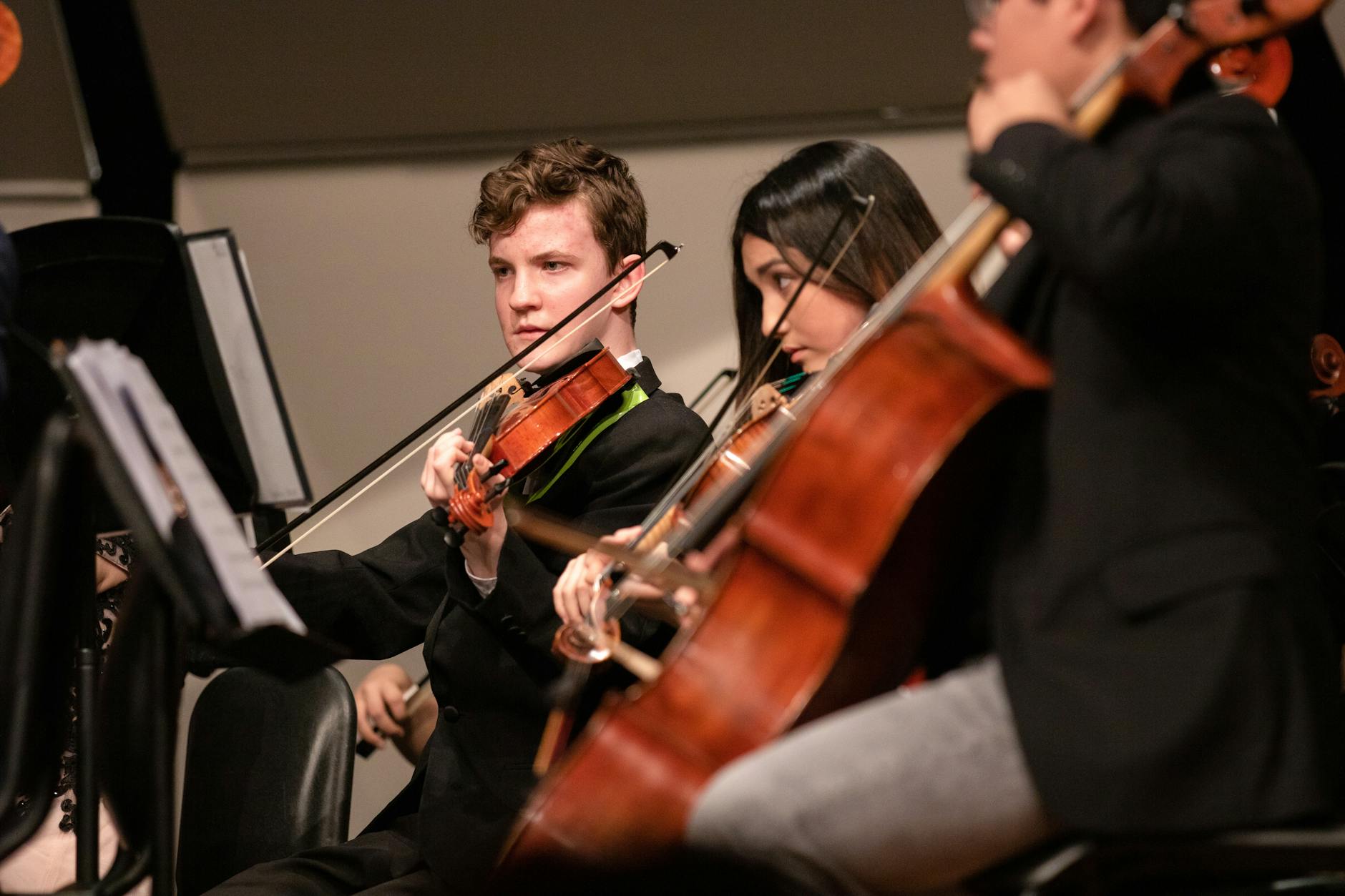
Classical music streaming has historically struggled with younger demographics, but gaming soundtracks serve as an entry point. Listeners discover composers like Nobuo Uematsu through “Final Fantasy” tracks, then explore classical and orchestral music more broadly. Streaming data confirms this pattern, showing increased classical music consumption among users who regularly stream gaming soundtracks.
The crossover effect extends to music education. Conservatories now offer courses in video game composition, recognizing it as a legitimate and lucrative musical career path. Students who might have dismissed classical training as irrelevant discover its importance through gaming music’s orchestral complexity.
The Future Sounds Like Gaming
Gaming soundtracks’ streaming dominance signals a broader shift in musical consumption and discovery. As interactive entertainment continues growing, its musical components will likely gain even greater cultural prominence. Emerging technologies like spatial audio and AI-generated music will first appear in gaming contexts before migrating to traditional music platforms.
The success also validates the artistic merit of video game composition, elevating it from commercial background music to recognized art form. This cultural legitimacy creates opportunities for composers, performers, and the broader classical music ecosystem to engage with massive, previously unreachable audiences through familiar digital channels.
Frequently Asked Questions
Why are video game soundtracks so popular on streaming platforms?
Gaming music is designed for extended listening without distraction, making it perfect for studying, work, and relaxation while offering emotional depth.
Which video game soundtracks are most popular on Spotify?
Minecraft, Final Fantasy, The Legend of Zelda, and Halo soundtracks consistently rank among the most-streamed gaming music on the platform.