





Charlie Chaplin’s “The Kid” receives a standing ovation from 300 college students packed into a Brooklyn warehouse. No dialogue, no color, just pure visual storytelling from 1921 captivating audiences born in the age of TikTok. Welcome to the unexpected revival sweeping Gen Z worldwide.
Silent films, once considered museum pieces, are experiencing their most significant cultural moment since the 1920s. From underground screening rooms in Los Angeles to pop-up events in London’s East End, young audiences are rediscovering cinema’s earliest art form. The movement started quietly in 2023 but has exploded across social media platforms, with #SilentFilmTok videos garnering millions of views.

The Underground Network Driving the Revival
Maya Chen runs “Silent Sundays” from a converted warehouse in Queens, screening classics to audiences averaging 22 years old. What started as monthly gatherings for 30 film students has grown into sell-out events drawing 400 attendees. “They’re not coming for nostalgia,” Chen explains. “They’re discovering storytelling stripped to its essence.”
The revival spans continents. In Tokyo, the Shibuya Silent Society hosts weekly screenings featuring live benshi narrators, traditional Japanese silent film commentators. London’s “Quiet Cinema” collective transforms abandoned buildings into temporary theaters, complete with live piano accompaniment. Berlin’s “Stummfilm Revolution” events combine silent classics with contemporary electronic scores created by local DJs.
These aren’t academic screenings. Organizers emphasize accessibility over education, often pairing films with modern soundtracks or interactive elements. Some venues encourage audience participation during chase scenes, while others provide silent film “starter packs” explaining visual storytelling techniques through Instagram graphics.
Social media fuels the movement’s growth. TikTok creators analyze Buster Keaton’s stunts, breaking down his physical comedy for modern audiences. YouTube channels like “Silent Stories” have gained hundreds of thousands of subscribers by explaining plot points and historical context in bite-sized videos. The aesthetic appeals to a generation raised on visual communication, from emoji conversations to Instagram Stories.
Why Gen Z Connects with Century-Old Cinema
The appeal runs deeper than vintage aesthetics. Silent films offer what modern entertainment often lacks: complete focus. Without dialogue to process, viewers concentrate entirely on visual narrative. This mirrors Gen Z’s preference for visual communication and their ability to absorb information quickly through images.
“There’s something meditative about silent films,” says 19-year-old Sofia Martinez, a regular at Los Angeles silent film events. “Your phone becomes irrelevant. You’re completely present.” This sentiment echoes across the movement, with attendees describing the experience as a form of digital detox.
The films themselves resonate with contemporary issues. Fritz Lang’s “Metropolis” addresses wealth inequality and worker exploitation. F.W. Murnau’s “Sunrise” explores relationship struggles and urban versus rural life tensions. These themes feel remarkably current despite being nearly 100 years old.

Many young viewers appreciate the technical innovation displayed in silent films. Practical effects from the 1920s often surpass modern CGI in their ingenuity. Keaton’s train sequences in “The General” and Harold Lloyd’s building climbs in “Safety Last” demonstrate filmmaking craftsmanship that impresses audiences accustomed to digital spectacle.
The movement also attracts viewers seeking alternatives to mainstream entertainment. Similar to how museums are using AR to attract Gen Z visitors, silent film organizers blend old and new to create unique experiences that stand apart from standard movie theater offerings.
Technology Meets Tradition
Modern technology enhances rather than replaces traditional elements. Venues use digital restoration techniques to present films in pristine condition, while maintaining authentic presentation methods. Live musical accompaniment remains crucial, with pianists and small orchestras providing scores that range from period-appropriate to contemporary interpretations.
Some screenings incorporate audience interaction through apps that provide historical context without disrupting the viewing experience. QR codes on programs link to additional content about actors, directors, and production stories. These additions serve as educational gateways without overwhelming newcomers.
Streaming platforms have noticed the trend. Criterion Channel reports increased viewership of silent films among users under 25. Netflix added several silent classics to its catalog in 2024, complete with optional educational commentary tracks. Even TikTok introduced a “silent film” filter that mimics the era’s distinctive visual style.
Independent filmmakers draw inspiration from the revival, creating new silent films using period techniques. These modern silent films play at the same events as vintage classics, demonstrating the format’s continued relevance for contemporary storytelling.
Commercial Impact and Cultural Significance
The revival extends beyond entertainment into fashion, art, and lifestyle trends. Vintage clothing stores report increased demand for 1920s-style attire, particularly items suitable for silent film events. Makeup tutorials recreating Clara Bow’s look or Rudolph Valentino’s styling gain popularity on beauty channels.
Art galleries host exhibitions connecting silent film aesthetics to contemporary visual art. Photography series inspired by German Expressionist films appear in Instagram feeds. Fashion photographers reference silent film lighting techniques in their shoots, creating a visual bridge between eras.
Musicians collaborate with silent film events, creating live scores that blend classical instruments with electronic elements. These performances often get recorded and released as albums, introducing silent film themes to music streaming platforms. The crossover appeal demonstrates how historical art forms can inspire contemporary creativity.
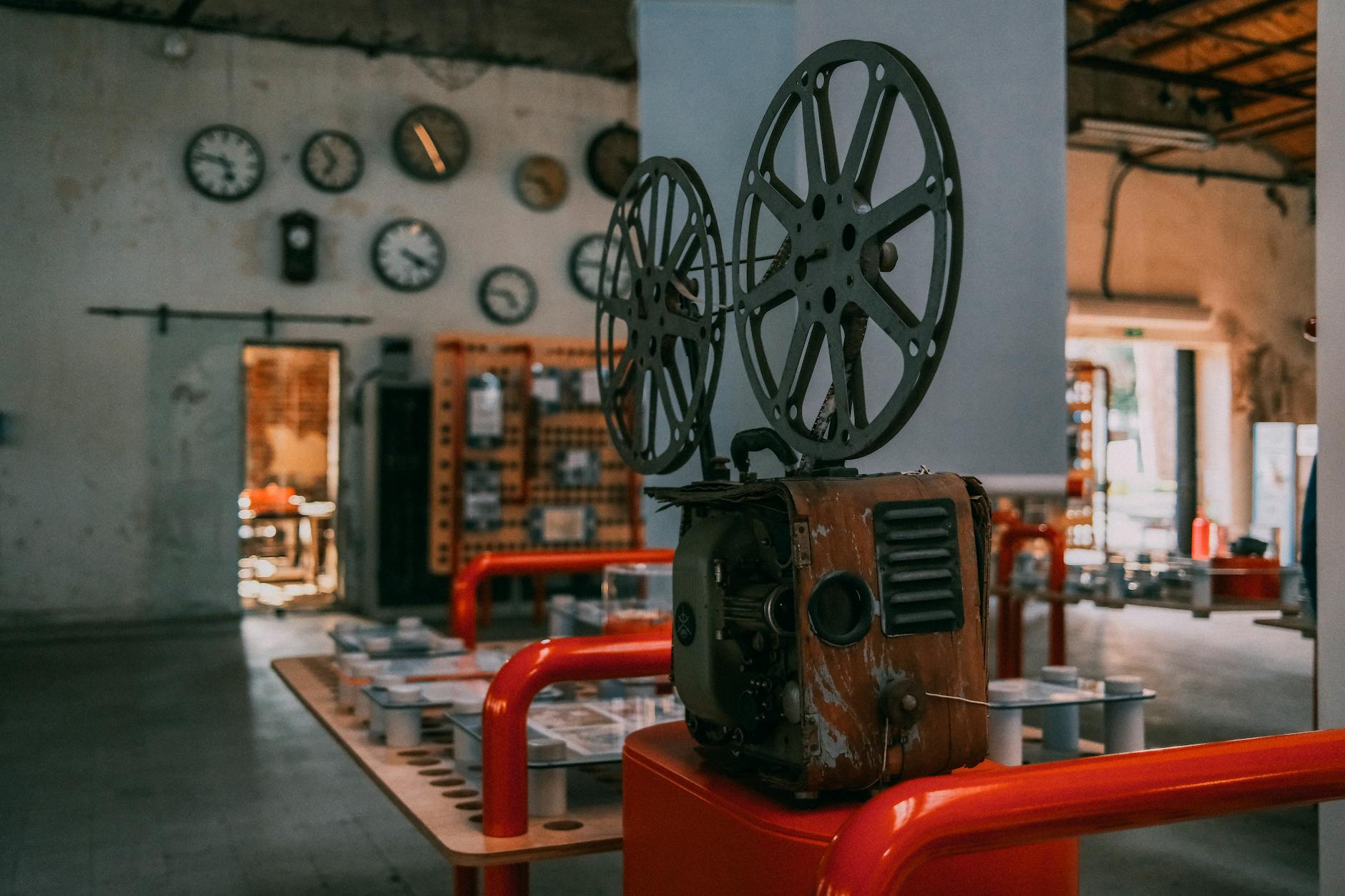
Educational institutions recognize the movement’s potential. Film schools add silent film analysis to their curricula, not as historical study but as active practice in visual storytelling. Art schools teach students to convey emotion and narrative without words, skills applicable to animation, graphic design, and digital media.
The revival challenges assumptions about attention spans and digital natives. Rather than seeking constant stimulation, many Gen Z viewers crave focused, contemplative experiences. Silent films provide this while maintaining visual engagement that appeals to their aesthetic sensibilities.
Looking Forward: A Lasting Cultural Shift
The silent film revival shows no signs of slowing. Major cities plan permanent venues dedicated to silent cinema, while film festivals add silent film categories. International collaborations between screening groups create touring programs that travel between countries, sharing rare prints and live musical performances.
This movement represents more than nostalgic entertainment. It demonstrates how historical art forms can find new relevance when presented thoughtfully to contemporary audiences. As digital communication becomes increasingly visual, silent films offer lessons in pure visual storytelling that remain remarkably relevant.
The revival’s success suggests that Gen Z audiences, rather than having shortened attention spans, simply prefer different types of engagement. They respond to authentic, focused experiences that respect their intelligence while providing something genuinely different from mainstream options.
As these underground screenings continue growing into established cultural events, silent films are reclaiming their place not as museum artifacts, but as living, breathing cinema that speaks to new generations without saying a word.
Frequently Asked Questions
Why are young people interested in silent films?
Gen Z viewers appreciate the visual storytelling, meditative focus, and authentic experience that silent films provide as an alternative to modern digital entertainment.
Where can I find silent film screenings?
Look for underground venues, art spaces, and film societies in major cities, or search social media hashtags like #SilentFilmTok for local events.