


When much of the world stopped commuting, travelling and working in 2020, researchers got an accidental test of a question that is usually hard to answer: how much do people shape the way fire behaves on Earth? A team led by Jianghao Wang, a professor at the Chinese Academy of Sciences, has now published a study in Cell Reports Sustainability that compares the COVID-19 era with other years. Their reading of the 2020 lockdown data is that lower human activity had the net effect of lowering average fire activity.
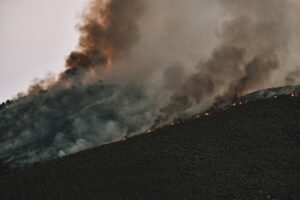
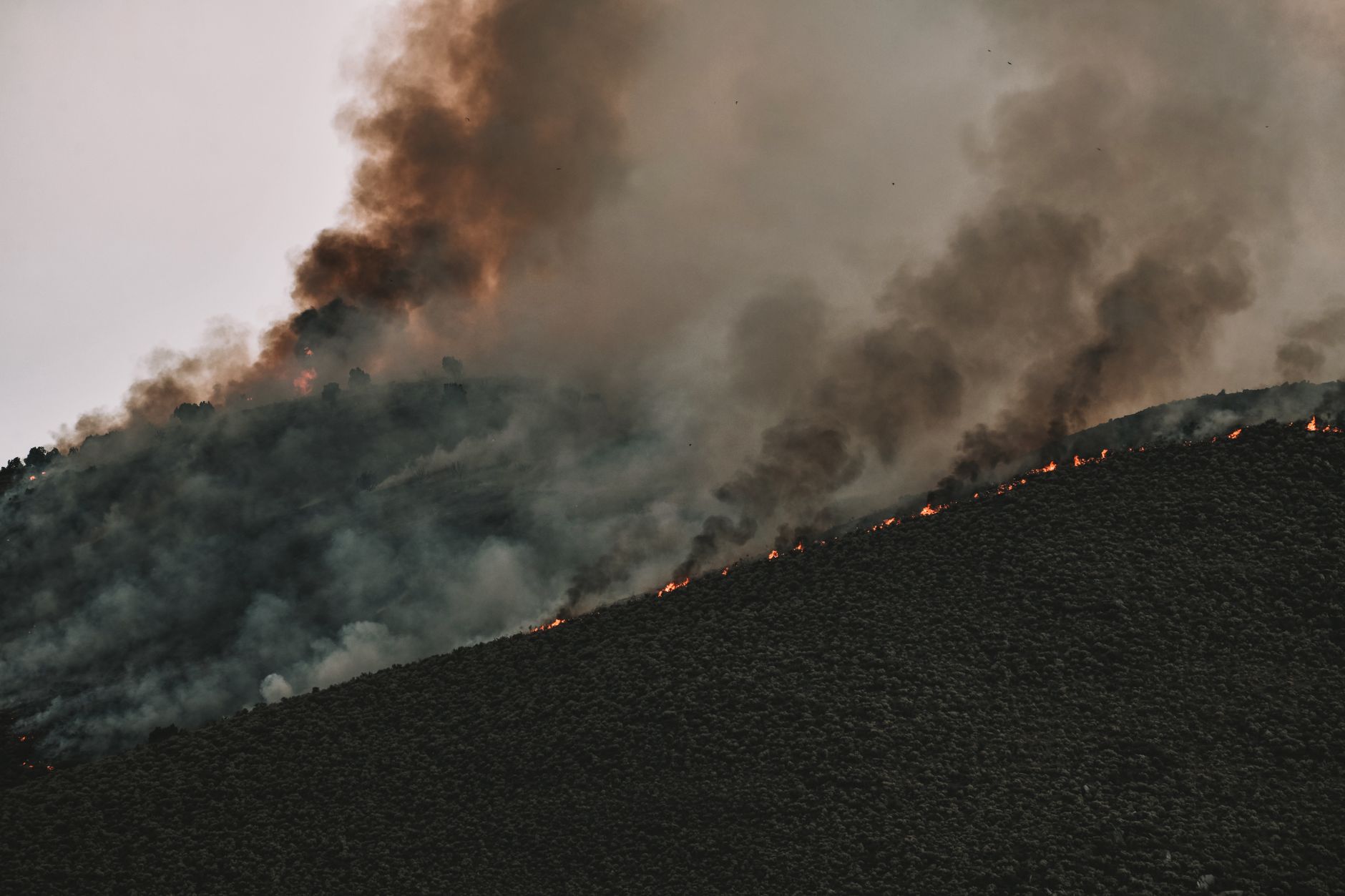
The question carries real weight. A series of massive bushfires from 2019 to 2020 swept across southeastern Australia and destroyed thousands of homes. More recently, the 2025 Los Angeles wildfires spread widely across the city and left local communities with severe damage. Fire is a natural process, but these events landed on people’s doorsteps, and that is why the human share of the blame, and of the solution, keeps getting examined.
Why people are so hard to separate from fire
Wildfires have many causes, and the list of natural ones is long. Weather, vegetation and landscape all play a part, and they interact in ways that are difficult to untangle. Humans sit in the middle of that mix as one more influence, and the source describes them as the only factor that can also make preventative efforts. Lightning cannot decide to be more careful. A community, a utility or a government can.
That dual role is exactly what makes measurement so awkward. Human influence on fire is not a single dial. Some activity can add risk, and some can reduce it. Because people and nature act at the same moment on the same landscapes, pulling out the human signal from ordinary years of data is like trying to hear one voice in a crowded room.
Ordinary years rarely offer a clean comparison.
A planet-sized pause button
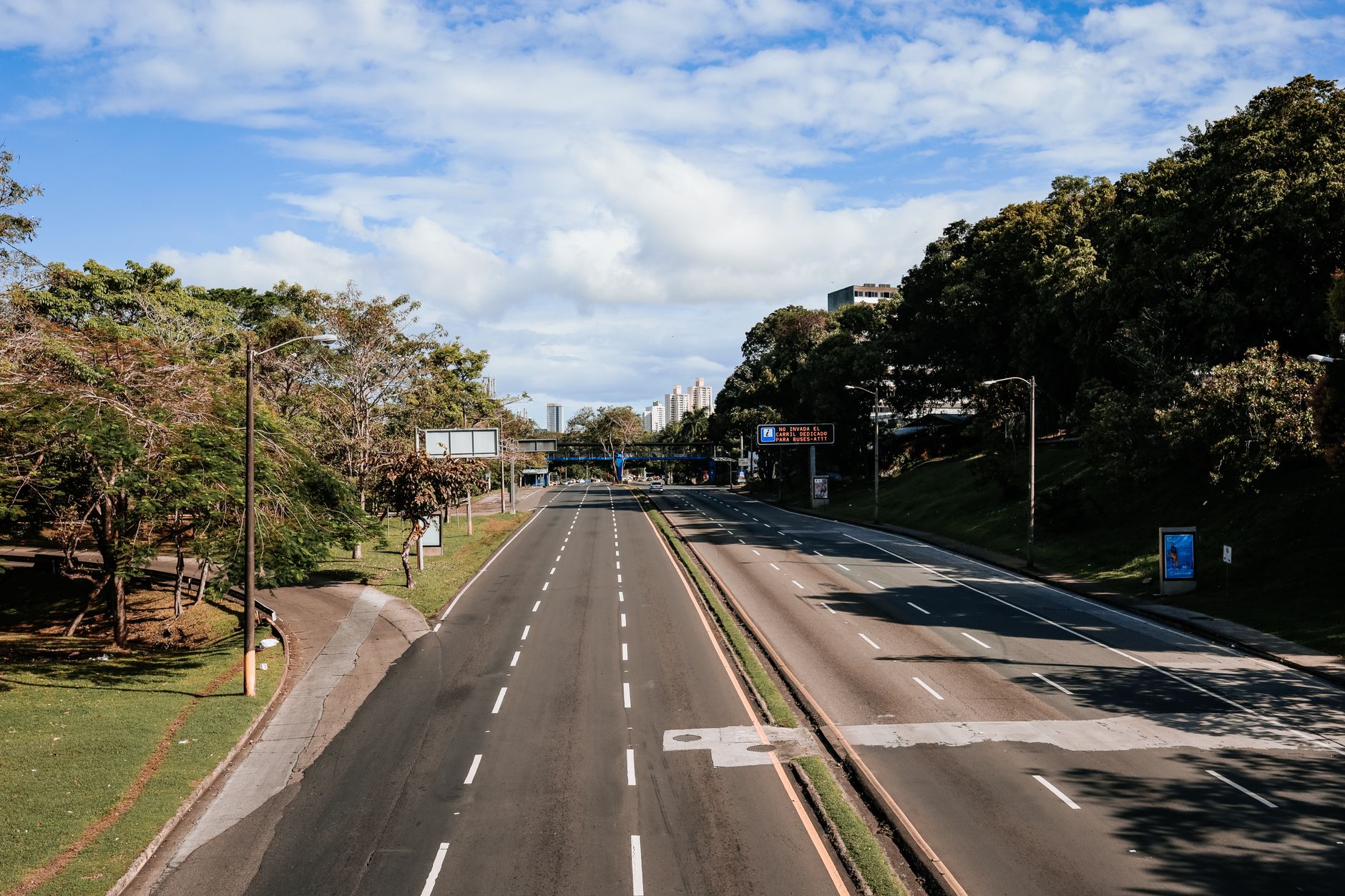
The 2020 lockdowns changed that. For a short stretch, human activity dropped across much of the globe at roughly the same time, while the natural drivers of fire kept running as they always do. Researchers do not get to switch off human behavior on purpose, so a pandemic that did it unintentionally became a natural experiment. Wang’s team set the COVID-19 era against other years to see what shifted.
What they report is a net decline. The phrase matters, because “net” implies that more than one effect was in play and that the combined result pointed downward. Lower human activity did not erase fire. It reduced average fire activity, which is a narrower and more defensible claim than saying people are the root of every blaze.
What a net effect does and does not say
It is tempting to read the result as a simple lesson: fewer people doing things means fewer fires. The study does not go that far in the material available, and a net result can hide a lot of variation underneath. Average fire activity is a summary. A lower average does not tell you that every region cooled off equally, or that individual disasters like those in Australia and Los Angeles would have been avoided under similar conditions. Averages smooth out the worst days, and the worst days are the ones people remember.
Still, the finding is useful because it puts a direction on something that had been mostly argued about. If a sudden, global reduction in human activity moved the average downward, then everyday human behavior is pushing fire activity up in normal times. That is a more specific statement than “humans affect fire,” and it gives people who work on prevention something to anchor to. It also hints that the effect is large enough to show up in worldwide data, not just in local case studies.
For readers of a gadgets section, the study has a quieter lesson about instruments and baselines. Any detection network, forecasting model or monitoring tool is only as good as the comparison it can be checked against. Years of normal operation produce a baseline polluted by human noise, and 2020 produced something close to a control group. The reporting here does not spell out the datasets the team used, so it would be a mistake to assume how they were gathered. What can be said is that a rare, unplanned reference period gave the researchers something they could not have scheduled.

That leaves a practical puzzle. Nobody wants another lockdown as a research tool, and nobody should accept one as a fire policy. If reduced activity lowers fire on average, which specific activities are doing the damage, and which ones could be changed without shutting everything down?