




The Dream That Arrived Before the News
Before she learned that war had come to Iran, Shohreh dreamed she was already inside it – standing in the rubble of her childhood home in Tehran, wearing a wedding dress she never owned, watching her mother’s eyes track red flames across the sitting room walls.

The dream has the texture of memory and the logic of grief. Cracked walls. A collapsed door. Pages of a manuscript lifting and settling in rubble. Shohreh pulls a long white tulle veil tight around herself against a gust of wind. She finds the sitting room, hears a faint buzzing from somewhere above, and turns to find her mother standing there in black – a woman she describes as “a stranger I had known all my life.” The crowd on the other side of the house is clapping and cheering. Neither of them knows who those people are.
The conversation that follows is the kind that only happens in dreams and in literature: half-real, half-elegy. Her mother notices that her hair has grown and is still black. Shohreh reminds her that her mother told her not to dye it blonde. She wants to hug her, smell her, kiss her – but she can’t move. A blast shakes the building. Then darkness, and a shift into something older: she is an infant in her mother’s arms, the house on fire, her father gone to war, her mother running through a dark corridor while bombs sound around them, whispering God’s name.
Then she woke up. Pirooz was standing at the door, his face pale as milk. It was early Saturday – the last day of February 2026. He didn’t need to say much. “War,” he confirmed. And Shohreh looked around her apartment in upstate New York, where Valentine’s Day balloons from a few weeks earlier were still hanging in the air.
What she has written is not quite memoir, not quite fiction, not quite elegy – though it carries the weight of all three. It belongs to a growing body of work produced by diaspora writers whose countries of origin are at war, where the act of writing becomes not a craft exercise but something closer to a survival reflex: an attempt to hold onto people who have become unreachable.
When the Phone Stops Answering
She tried BOTIM. She tried WhatsApp. She called the landline in Tehran. She called her brother’s mobile. No one answered. Iran had gone dark again – an internet blackout, the same kind that has punctuated the country’s recent history at moments of political and military crisis. This time, there was no “after the blackout.” The silence held.
The last conversation with her mother had happened the day before the war started. They had been on the phone for forty-five minutes, long enough that Shohreh remarked on it – the internet connection had been unusually good, and they both knew that was not something to take for granted. Her mother joked about the evil eye. Shohreh said she had to go, that she would call tomorrow. “Ok, Azizam,” her mother answered. The word means “my dear.” Then: “I love you, Shohreh. We’ll talk tomorrow.”
That tomorrow did not come. More than a month after the war began, it still hasn’t.
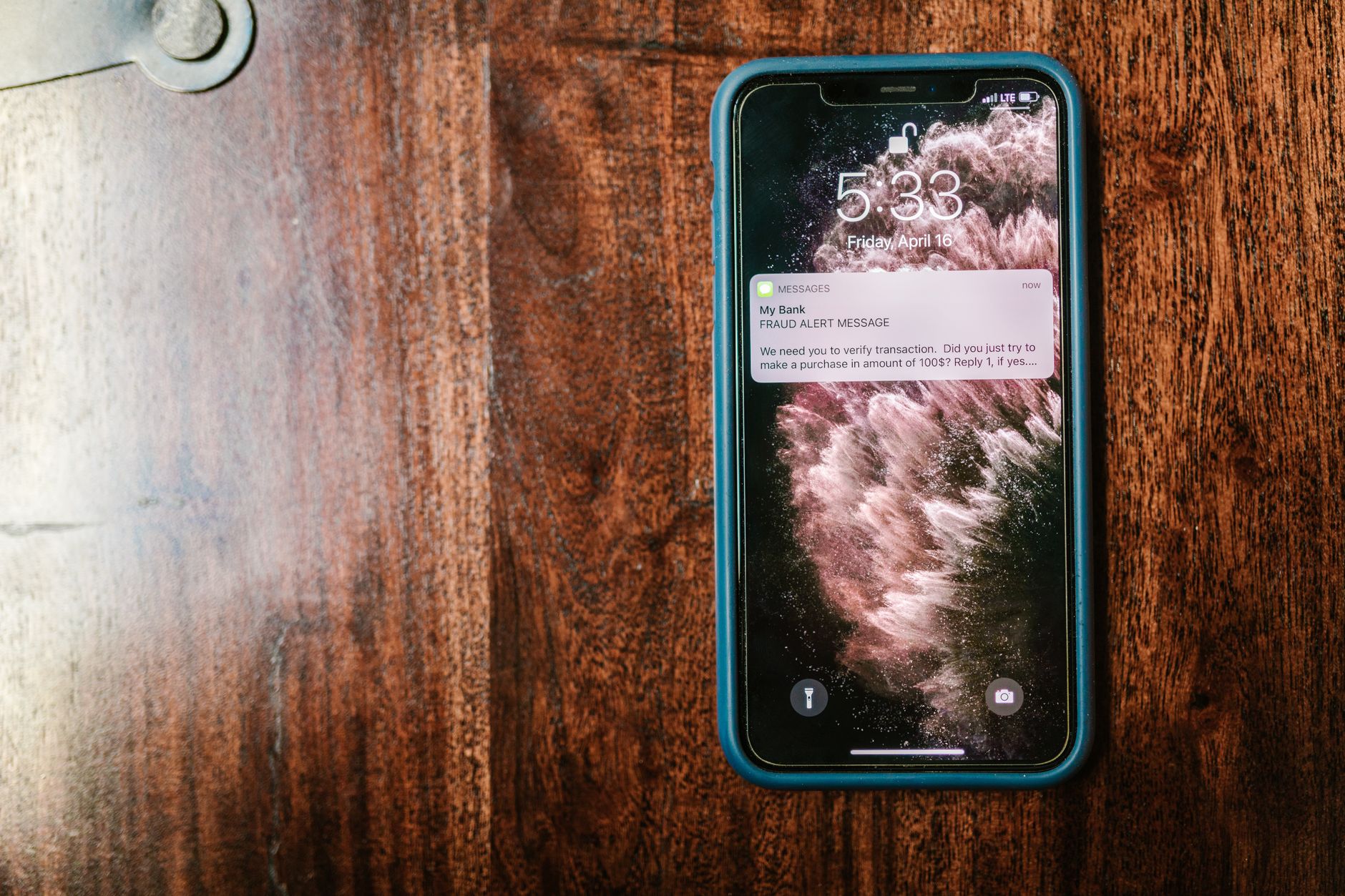
What she is left with is a chat log. She scrolls back through it and finds a message from her mother that reads: “When you send me videos and pictures of your life, I feel I am living with you in the US. I don’t feel you’re not with me in Iran. I feel I am always with you.” This is the specific cruelty of the digital archive in wartime – the presence of a voice preserved in text, photographs, voice notes, at the exact moment the living person behind it becomes inaccessible. The messages do not age. They sit in the app, time-stamped, as if the conversation is simply paused rather than severed.
For diaspora writers, this is not a metaphor. It is the actual condition of their grief. Shohreh’s piece does not reach for abstraction or historical context to explain what she is feeling. It goes in the other direction entirely – into the dream, into the smell of her mother, into the specific detail of a tulle veil and a black one, into a forty-five-minute phone call that ended with ordinary words neither of them knew were final. She threw her phone across the room. She hit her face. She screamed and sobbed. The home became, in her words, “a house of mourning” the moment the news arrived – not gradually, not after confirmation, but instantly.
There is a line in the dream sequence worth sitting with: she says she could not run, could not move, and then a blast comes and everything goes dark – and in the next moment she is a baby, held by her mother, safe. The regression is not accidental. When adults lose access to a parent, especially across a border that has suddenly become a front line, the psychological pull is exactly that: backward, into the place where the parent was protection rather than someone who needs protecting. Her father, the dream tells us, had gone to war again. The word “again” carries decades inside it.
Writing From the Other Side of a Closed Border
What makes this piece register as literature rather than testimony alone is its formal consciousness – the way the dream section is constructed with the precision of a short story, with sensory detail, dialogue, and a logic that feels emotionally earned rather than randomly assembled. The manuscript pages scattered across the rubble in the dream are almost certainly not accidental. A writer’s work, spread across the ruins of the place that made her – it is the kind of image that would feel too neat if a fiction writer invented it, but lands differently when it arrives from an actual dream, in an actual crisis.
She was in upstate New York when the war started. Her manuscript was somewhere in that apartment. Her mother was in Tehran, past a blackout, past a disconnected phone line, accessible only through old messages and a dream in which Shohreh could not move toward her. The Valentine’s Day balloons were still up. And somewhere in the chat log, her mother’s voice is still there, insisting: I feel I am always with you. Whether that message now reads as comfort or as the most painful kind of irony is a question the piece leaves open, and does not try to answer.