




The Morning After One Drink
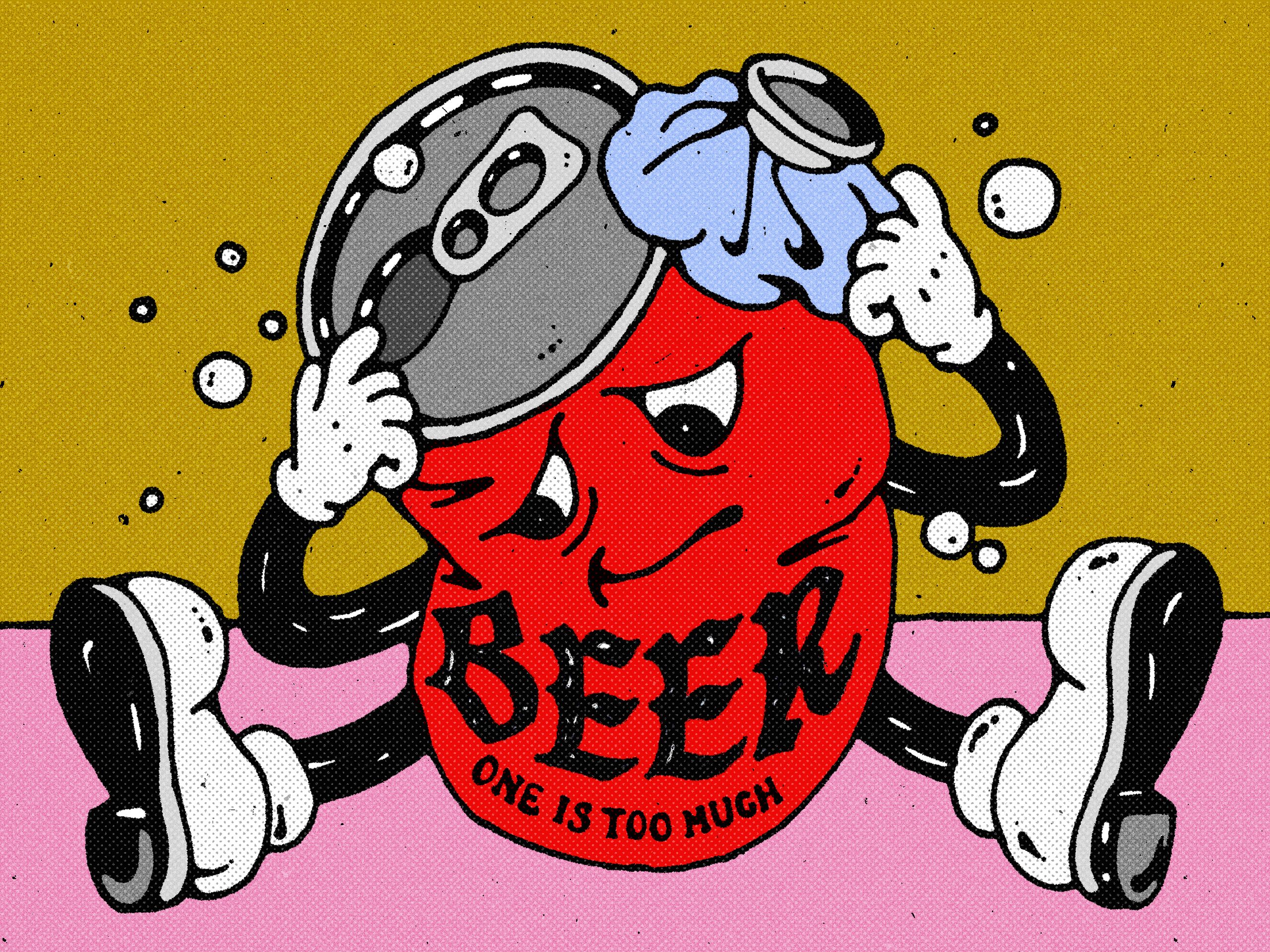
There was a time when a single beer barely registered. Now, for a growing number of people, one drink means a foggy morning, a racing heart, or a low-grade headache that lingers well past noon. Writer Kevin Lincoln, investigating his own diminishing tolerance for alcohol, found himself asking a question that more people seem to be asking in their thirties and forties: why does drinking feel so much worse now than it used to?
The answer pulls in several directions at once – biology, behavior, and something harder to quantify: a cultural mood that is quietly souring on alcohol altogether. Lincoln’s inquiry, first published in GQ, lands at a moment when the social contract around drinking is being quietly renegotiated, one skipped round at a time.
What Happens to the Body as Tolerance Shifts
The physiology here is not mysterious. As the body ages, it processes alcohol less efficiently. The liver’s capacity to metabolize ethanol does not improve with time, and body composition changes – typically less water content, more fat – mean alcohol concentrates faster in the bloodstream. A drink that dispersed comfortably at 25 hits a smaller pool of water at 38. The result is a higher blood alcohol concentration from the same volume of liquid.
Sleep is the other variable people underestimate. Alcohol disrupts REM cycles, which means even if you sleep eight hours after two beers, the quality of that sleep is measurably worse. The fatigue the next morning is not imagined or exaggerated – it reflects actual sleep architecture damage. Lincoln’s account of feeling hollowed out after a single drink tracks with what researchers have documented about alcohol’s interference with deep sleep stages, a problem that compounds as people get older and their sleep becomes lighter by default.
Tolerance Is Built on Repetition – and Lost the Same Way
Alcohol tolerance is not a fixed trait. It is a condition the body maintains through regular exposure. When someone drinks consistently, the liver upregulates enzymes that break down ethanol more efficiently, and the nervous system adapts to expect the depressant effect. That adaptation is reversible. Take a break from drinking – a few weeks, a month – and those adaptations begin to reverse. The body resets toward its baseline sensitivity.
This is why so many people who cut back during the pandemic, or during a dry January that quietly extended into February, found that returning to their old drinking habits felt suddenly brutal. The tolerance they had spent years building quietly dissolved. Lincoln describes this experience in personal terms, but it maps onto a pattern that played out across a significant portion of the population during an extended period of disrupted social life.
There is also a psychological dimension that often gets folded into conversations about physical tolerance but deserves its own space. Drinking is heavily contextual. The same two beers consumed in a loud bar with friends produce a different subjective experience than two beers consumed alone on a Tuesday. Context shapes how intoxication is perceived and how the aftermath registers. When the social scaffolding around drinking changes – fewer parties, later nights, more solo evenings – the ritual starts to feel different even before the biology shifts.
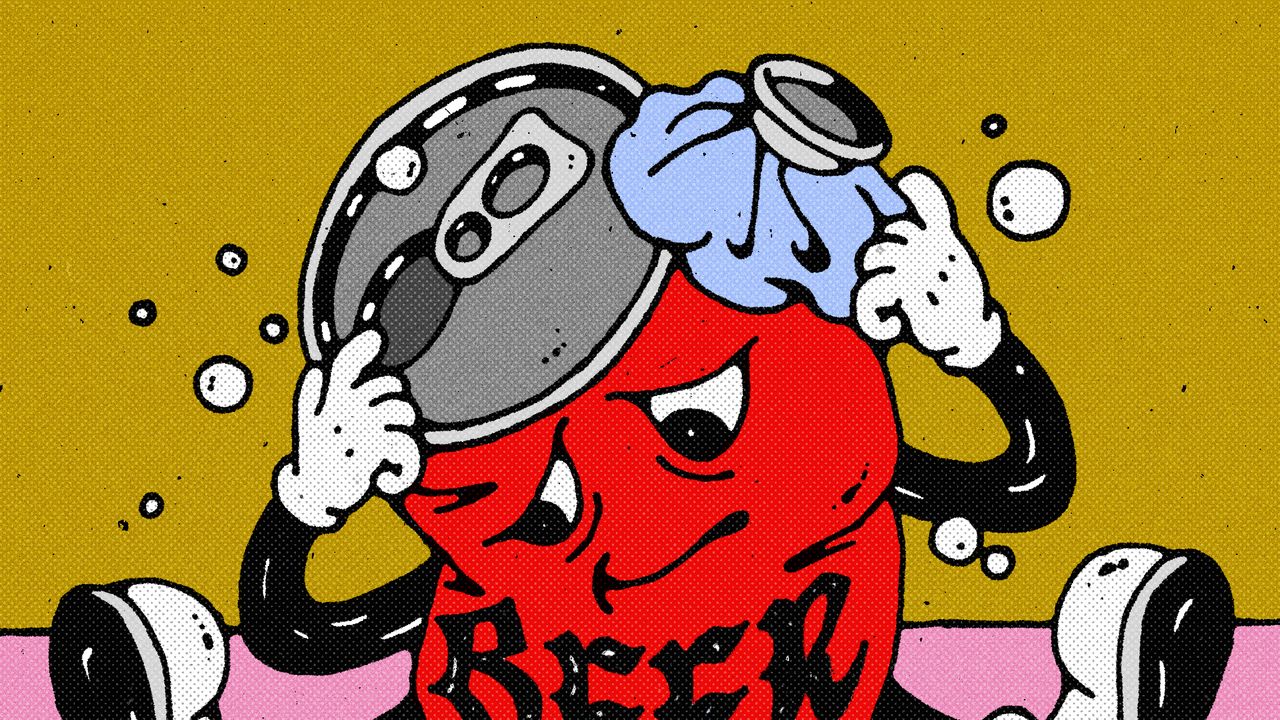
Lincoln’s investigation touches on something many people report in their mid-thirties: the hangover begins to feel disproportionate to the input. One beer should not, by any rational calculation, produce a rough morning. But it does, and that gap between expectation and reality is partly what’s driving people toward questioning whether the trade-off is worth it at all.
A Cultural Shift Hiding in Plain Sight
Beyond Lincoln’s personal experience, his reporting gestures toward something broader. Alcohol consumption has been declining among younger generations for years. Generation Z drinks less than Millennials did at the same age. Sober-curious movements, alcohol-free bars, and the explosion of non-alcoholic spirits and craft mocktails have all emerged not as niche curiosities but as genuine market categories. The alcohol industry has taken notice, investing in low- and no-alcohol product lines with increasing urgency.
This is not a moral panic. Nobody is being lectured here. It is simply a shift in how people relate to a substance that was, for most of the twentieth century, the default social lubricant. The fact that Lincoln’s question – why does one beer wreck me now – resonates so widely suggests the shift is not just demographic but personal, happening inside individual bodies and individual relationships with the ritual of drinking.
What People Are Actually Doing About It
Some people are drinking less and finding the adjustment easier than expected. Others are switching to lower-alcohol options – session beers, wine spritzers, the proliferating category of low-ABV cocktails. A smaller group is stopping entirely and discovering, sometimes with surprise, that their social lives survive the change with minimal friction. The stigma around not drinking has eroded enough that declining a round no longer requires a detailed explanation or an apology.
What Lincoln’s piece captures, whether intentionally or not, is the moment when a private physical complaint – I feel terrible after one drink – becomes a cultural data point. The body registers the change first. The mind catches up, starts questioning the habit. And then the behavior shifts. That sequence, playing out quietly across millions of people in their thirties and forties, is doing more to reshape drinking culture than any public health campaign has managed in decades.
Lincoln himself does not land on a clean resolution. He is not evangelical about cutting back, not alarmist about what the shift means. He is simply standing in the gap between who he was when drinking felt easy and who he is now when a single beer demands a reckoning the next morning – and wondering, with some genuine unease, whether the version of himself who could drink freely is gone or just resting.