


When the Camera Becomes a Form of Mourning
Ross McElwee has spent decades making films about his own life – his family, his wandering attention, the particular texture of existence in the American South. His new feature, Remake, turns toward the most devastating material of that life: the death of his son, Adrian, who appeared in McElwee’s films across many years. Adrian was not just a subject but a recurring presence, a person whose growth and personality were documented by his father’s camera over a long stretch of time. That the camera was already trained on him makes the absence sharper.
Remake is an anguished film. There is no softening that description, and McElwee does not appear to seek one. The documentary confronts grief directly – not as a stage to pass through but as a condition that reshapes how a filmmaker understands his own archive, his own choices, and the ethics of having pointed a lens at someone he loved who is no longer alive.
A Life Filmed, Then Lost
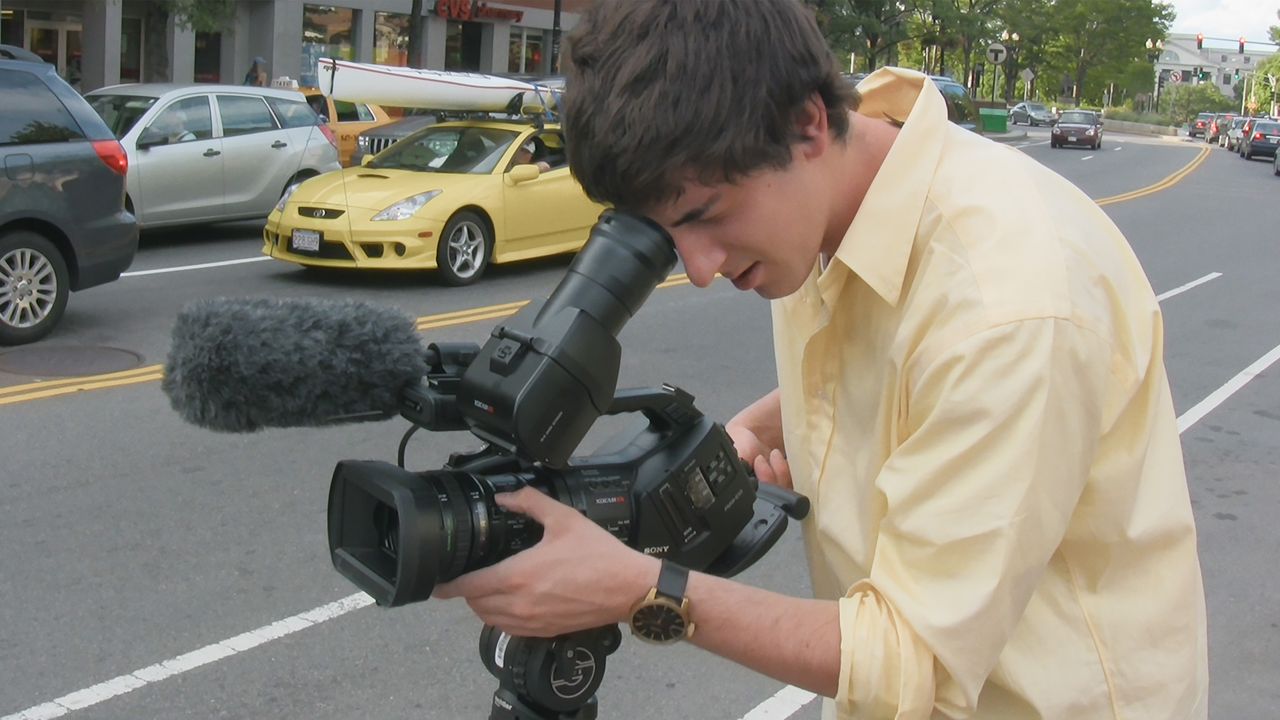
McElwee has long worked in a confessional, first-person mode that traces a lineage back through American personal documentary filmmaking. His earlier work – intimate, digressive, often quietly funny – established him as one of the form’s more thoughtful practitioners. Adrian appeared in that work as a child, then as a young man, accumulating screen time the way family members do when a parent is also a filmmaker: not always willingly, not always knowingly, but persistently.
That accumulated footage now carries weight it was never intended to carry. Remake asks what it means to possess images of someone after they are gone – whether those images are a gift, a burden, or something more complicated than either. McElwee does not resolve this, which is precisely what gives the film its honesty. The instinct to reach back into the archive for comfort is one thing. The recognition that doing so is also an act of authorship, of selection and interpretation, is another. Remake holds both impulses at once and refuses to let either one win cleanly.
The Ethics of Looking Back
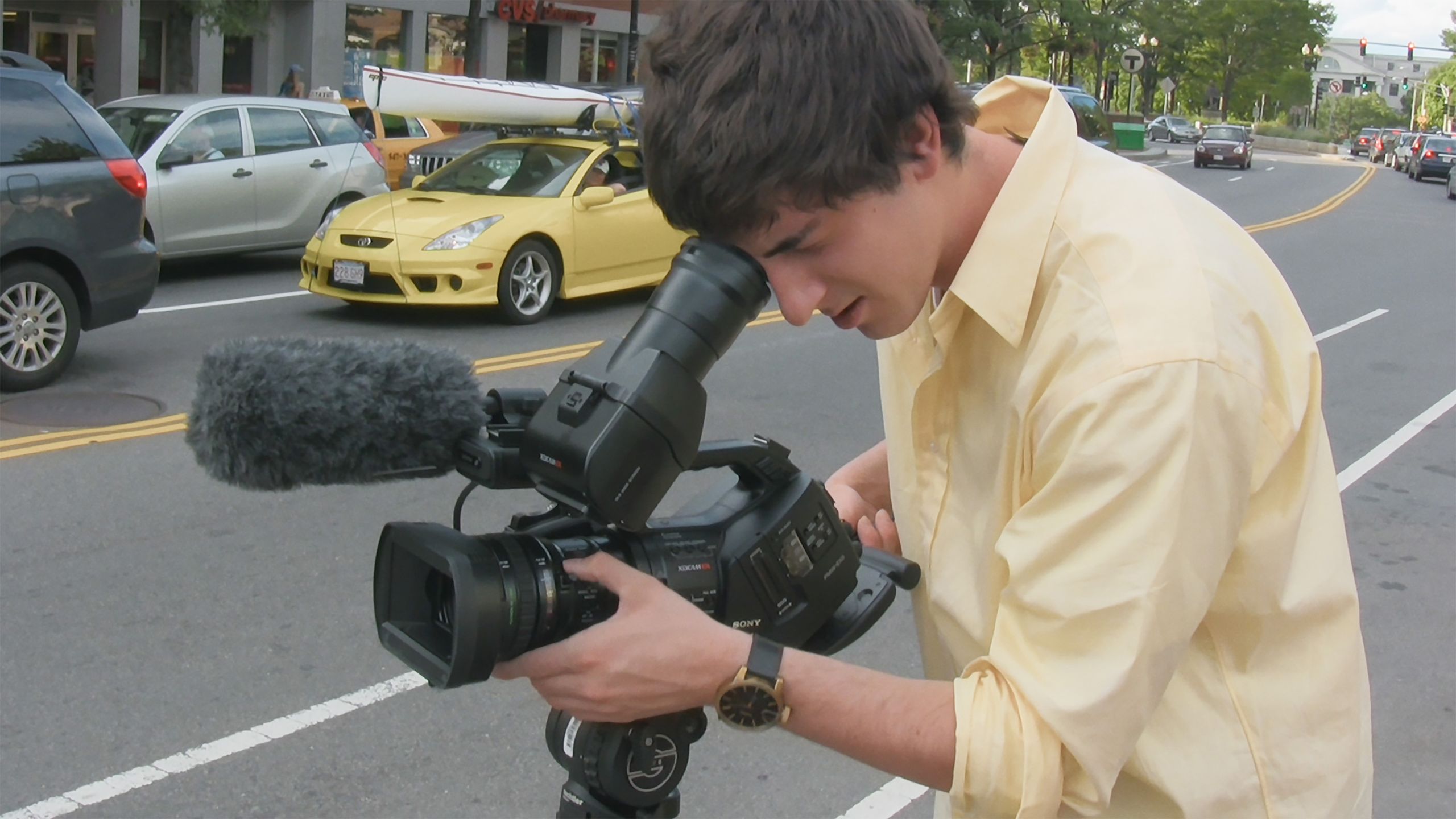
Documentary filmmakers who turn their cameras on family members occupy a position that rarely gets examined with much rigor. The subject cannot fully consent to how the footage will eventually be used, contextualized, or screened for strangers. When that subject is a child, the imbalance is even more pronounced. McElwee has shown a persistent awareness of this tension across his career, but Remake pushes it to a point where the tension can no longer remain theoretical.
Adrian’s death forces the question into the open. What does a father owe a son who appeared in his films? What does a filmmaker owe an audience that has watched that son grow up across multiple features? These are not rhetorical questions in Remake – they are the film’s actual subject, as present as the grief itself. McElwee puts his own responsibility under scrutiny in a way that is uncomfortable to watch and honest enough to justify the discomfort.
There is also a formal dimension to all of this. The title, Remake, suggests reconstruction – the attempt to reassemble something from parts, to revisit footage and events with different understanding. Grief does this to memory whether or not a camera was ever involved. What McElwee adds is the literal existence of the footage, the ability to actually go back and look, and the question of whether looking helps or merely reopens.
For audiences who have followed McElwee’s work, Remake will land differently than it does for those coming to it fresh. The accumulated familiarity with Adrian as a documented presence across earlier films adds a layer of loss that is specific to long-form documentary relationships. You have watched this person. That history is part of what the film is working with.
Grief as Filmmaking Problem
What distinguishes Remake from more conventional grief documentaries is McElwee’s refusal to use the film as a tribute, a memorial, or a narrative arc moving toward acceptance. The film seems genuinely uncertain about what it is trying to do, and that uncertainty is not a weakness – it is the most truthful thing about it.
McElwee’s earlier features often had a wandering, exploratory quality that was part of their charm. Writers and filmmakers working in personal modes have long understood that the shape of a life does not conform to narrative structure, but grief in particular resists the kind of arc that makes a film feel complete. Remake takes that resistance seriously. It does not offer resolution because resolution would be a lie.
What Remains
The documentary form, at its most honest, is not about answers. It is about sustained attention to something difficult. Remake applies that attention to a father’s loss and to the specific complication of that loss being mediated by decades of footage. McElwee is both the grieving parent and the filmmaker who made the archive possible – two roles that do not sit easily together under this kind of pressure.
Adrian McElwee’s presence in his father’s films was not incidental. He was a real subject, given real screen time, whose life was partially narrated through his father’s ongoing project. Remake does not let that fact go unexamined. And in the film’s most searching moments, you can feel McElwee asking whether making this film is an act of love, an act of continuation, or something he simply does not have the language to name yet.
Whatever the answer, the footage exists. Adrian is in it. The camera was running.