




The latest iteration of SpaceX’s Starship rocket now towers higher than any launch vehicle in history, following the completion of its stack assembly at the Boca Chica facility in South Texas. Starship Version 3 represents the company’s third major redesign in three years, incorporating significant hardware modifications that push the boundaries of rocket engineering just miles from the Mexican border.
This newest variant abandons the four-grid fin configuration of earlier models, opting instead for three modified fins designed to guide the Super Heavy booster through atmospheric reentry. The change reflects SpaceX’s ongoing refinement of recovery systems that must work flawlessly for the rocket’s reusable architecture to prove economically viable.
Engine Upgrades Drive Performance Gains
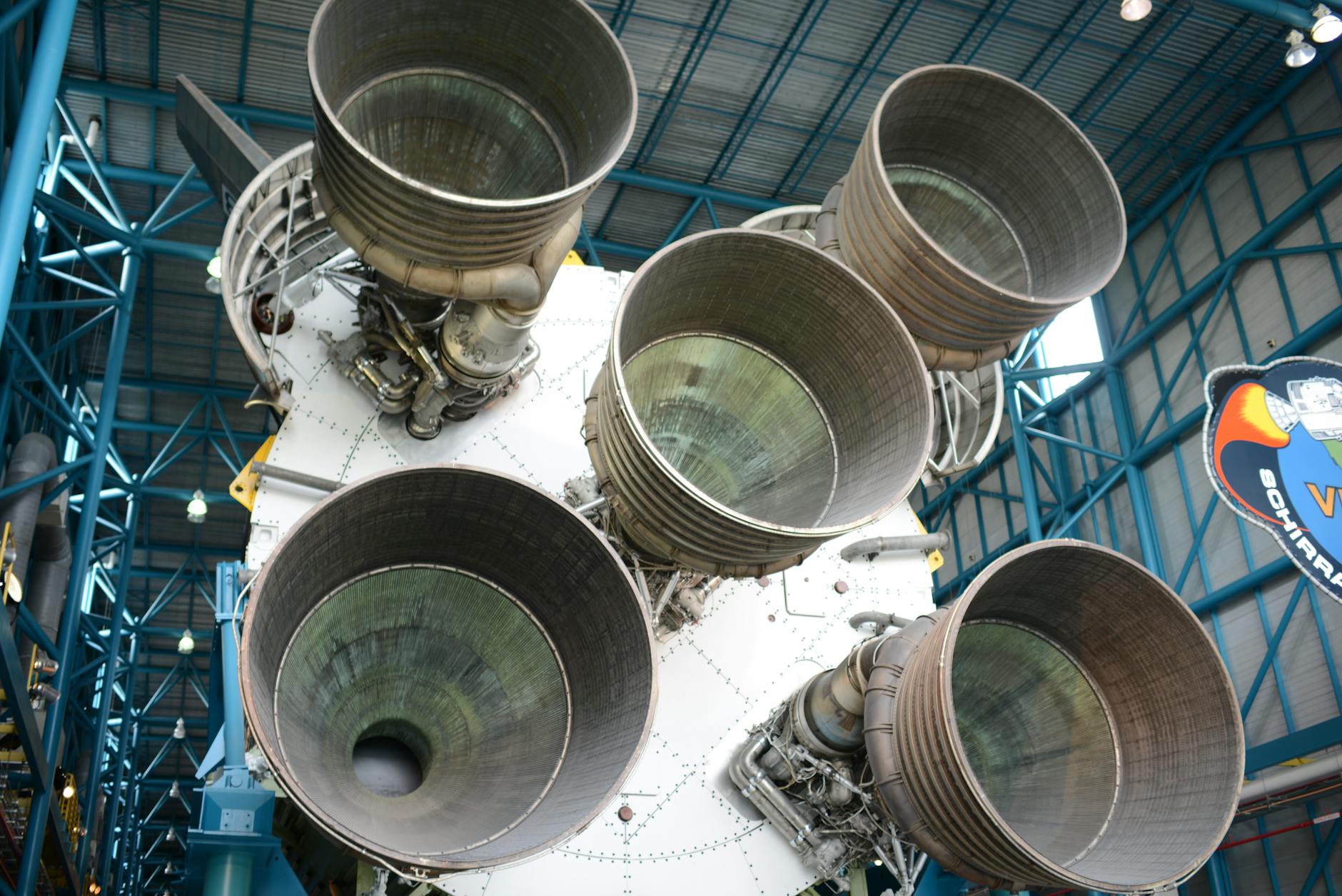
The heart of Starship V3’s improvements lies in its upgraded Raptor engines, which deliver higher thrust while burning fuel more efficiently than previous generations. Both the Super Heavy booster and the Starship upper stage benefit from these propulsion advances, creating a rocket system capable of carrying heavier payloads to orbit while consuming less methane and liquid oxygen per flight.
Engineers have also introduced a lattice-like structure at the top of the booster specifically designed for hot staging operations. This reusable component must withstand the extreme temperatures and forces generated when the upper stage ignites its engines while still attached to the booster-a process that previous versions handled with disposable hardware. The shift to reusable hot staging equipment reduces manufacturing costs and eliminates debris that would otherwise fall back to Earth during separation.
Orbital Refueling Tests Mark New Chapter
Starship V3’s debut coincides with SpaceX’s transition from basic flight testing to operational capability demonstrations. The company plans to use this version for its first attempts at in-orbit refueling, a technique that remains largely theoretical despite decades of engineering studies. Successfully transferring propellant between spacecraft in the vacuum of space requires precision that has never been achieved on this scale.
The refueling capability directly enables SpaceX’s contract obligations with NASA’s Artemis program. Starships bound for lunar missions must top off their tanks in Earth orbit before attempting the journey to the Moon, since no single rocket-regardless of size-can carry enough fuel to complete a round trip from Earth’s surface to the lunar surface and back.

Without orbital refueling, Starship’s range remains limited to low-Earth orbit missions. Mars missions, asteroid visits, and deep space exploration all depend on the ability to refuel spacecraft after they escape Earth’s atmosphere. The physics of rocket propulsion make this step unavoidable for any vehicle attempting to reach destinations beyond the Moon.
SpaceX has conducted multiple Starship test flights over the past two years, with each mission designed to validate specific systems rather than demonstrate complete operational capability. Version 3 represents the company’s first serious attempt to move beyond proof-of-concept testing toward actual space operations that generate revenue or fulfill contractual obligations.
Development Timeline Accelerates
The three-year span between Starship’s first prototype and Version 3 reflects SpaceX’s iterative approach to rocket development, which prioritizes rapid testing over extensive ground-based validation. This philosophy has produced multiple rocket variants in the time traditional aerospace companies typically spend on paper studies and computer simulations.
Additional Starship versions already exist in various stages of construction at the Texas facility. The company’s production line approach means that lessons learned from Version 3 flights will immediately influence the hardware being built for subsequent missions, creating a continuous improvement cycle that traditional rocket programs cannot match.
Technical Challenges Remain Unresolved
Despite the hardware improvements, Starship V3 still must prove it can execute the complex sequence of operations required for orbital refueling. The process involves precise orbital mechanics, fluid dynamics in zero gravity, and docking procedures that have never been attempted with vehicles of this size. Ground testing can simulate some aspects of propellant transfer, but the complete operation requires actual space-based demonstrations.
The modified grid fin configuration also introduces new variables into the recovery equation. SpaceX’s previous boosters used four fins for atmospheric control during descent, and switching to three fins changes the aerodynamic properties in ways that can only be fully validated through actual flight tests. The company’s recovery success rate with earlier Starship versions has been inconsistent, making the fin modification a calculated risk.
Each Starship test flight consumes hardware worth hundreds of millions of dollars, regardless of outcome. Will Version 3’s design changes prove sufficient to unlock the orbital refueling capability that makes everything else possible?