



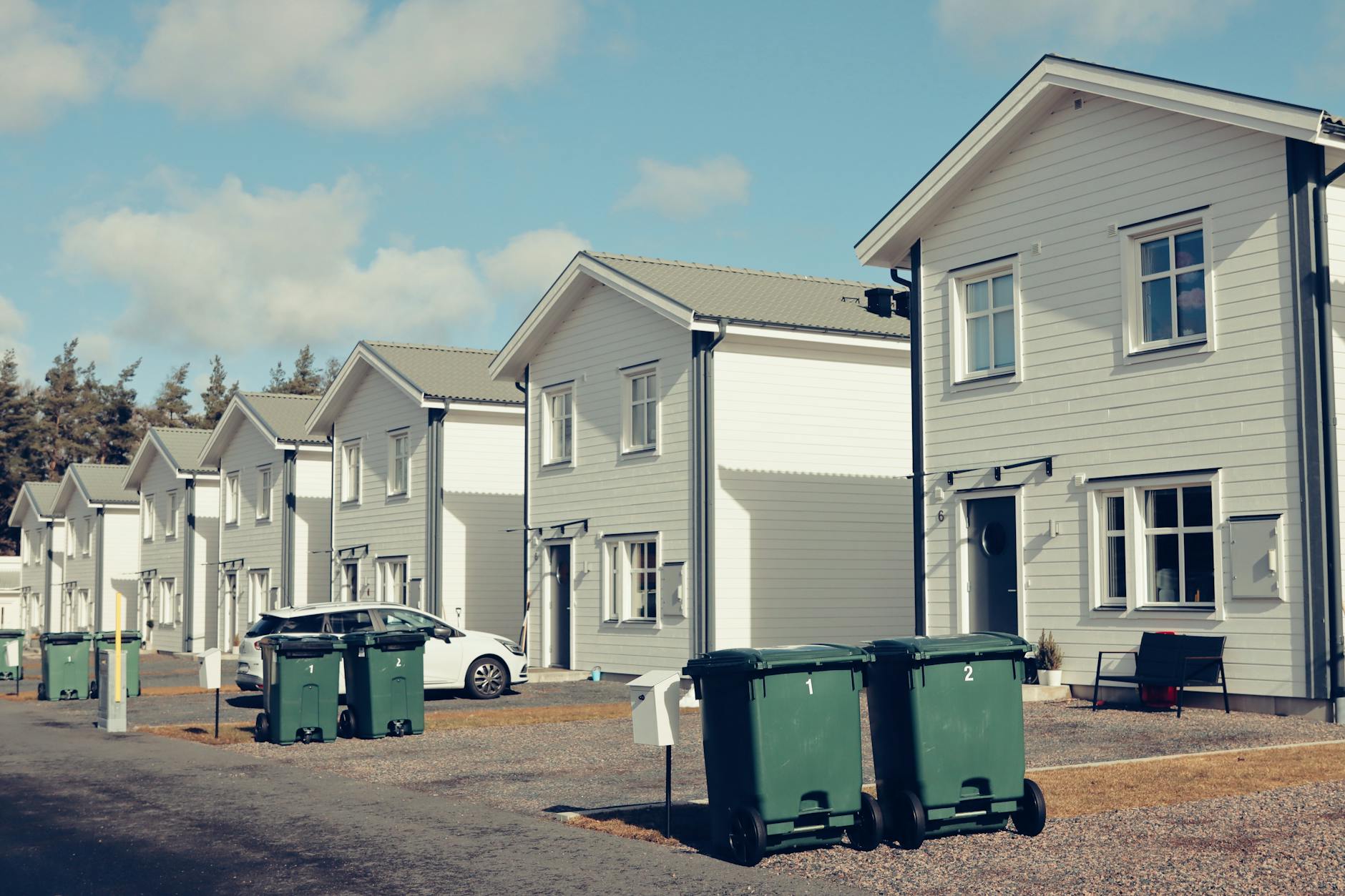
San Francisco startup SPAN wants to install liquid-cooled Nvidia RTX Pro 6000 Blackwell Server Edition GPUs in American backyards, turning suburban neighborhoods into distributed computing networks. The company’s XFRA nodes would operate quietly alongside new homes, offering residents subsidized electricity and internet access in exchange for hosting the hardware.
Pilot testing has already begun.
SPAN plans to launch a 100-home trial run this year, deploying thousands of these residential data nodes to tap into excess household power capacity. The approach sidesteps the massive costs and regulatory delays that plague traditional warehouse-scale data center construction.
The Backyard Server Farm Economics
Each XFRA node contains professional-grade graphics processing units designed for AI workloads, housed in liquid-cooling systems that minimize operational noise. The units connect to home electrical systems and leverage unused power capacity that already exists in residential infrastructure. Homeowners receive backup battery systems as part of the installation package.
“Data centers are loud, ugly, and often drive up local electricity bills,” Chris Lander, vice president of XFRA at SPAN, explained. The residential approach aims to be “quiet, discreet, and makes energy more affordable for the host and community.”
The distributed model shifts computing resources away from centralized facilities that consume enormous amounts of power and require specialized cooling infrastructure. Instead of building new warehouse complexes, SPAN can tap into the combined electrical capacity of residential neighborhoods. The company estimates this approach could rapidly scale AI computing capacity without the typical infrastructure bottlenecks.
Hardware Meets Housing Policy
The residential data center concept relies on partnerships with home builders and utility companies to integrate the technology into new construction projects. SPAN positions the nodes as value-added amenities that reduce homeowners’ energy costs while providing reliable backup power during outages.

The liquid cooling systems represent a departure from traditional air-cooled server designs that require significant ventilation and produce substantial noise. Professional-grade RTX Pro 6000 cards typically generate considerable heat under AI workloads, making thermal management a primary engineering challenge for residential deployment.
SPAN’s approach addresses one of the AI industry’s most pressing infrastructure problems: where to put all the computing power needed for machine learning applications. Traditional data centers face increasing scrutiny over resource consumption, while zoning restrictions and grid capacity limits slow new construction. Residential distribution could bypass many of these constraints.
Neighborhood Networks
The XFRA nodes would connect to high-speed internet infrastructure, creating local computing clusters that can process AI workloads without transmitting data to distant data centers. This distributed architecture could reduce latency for applications that require real-time processing while spreading the electrical load across existing residential power grids.
Utility companies stand to benefit from more efficient use of existing electrical infrastructure, particularly during off-peak hours when residential power demand typically drops. The backup battery systems could also provide grid stabilization services during peak demand periods.

SPAN has not disclosed pricing details for homeowners or the revenue-sharing model that would compensate residents for hosting the equipment. The company also hasn’t addressed potential issues around property insurance, maintenance responsibilities, or what happens when homeowners want to sell properties with integrated server hardware.
The 100-home trial will test whether suburban America is ready to become the backbone of AI infrastructure, one backyard at a time.