



The Wilderness From Your Living Room
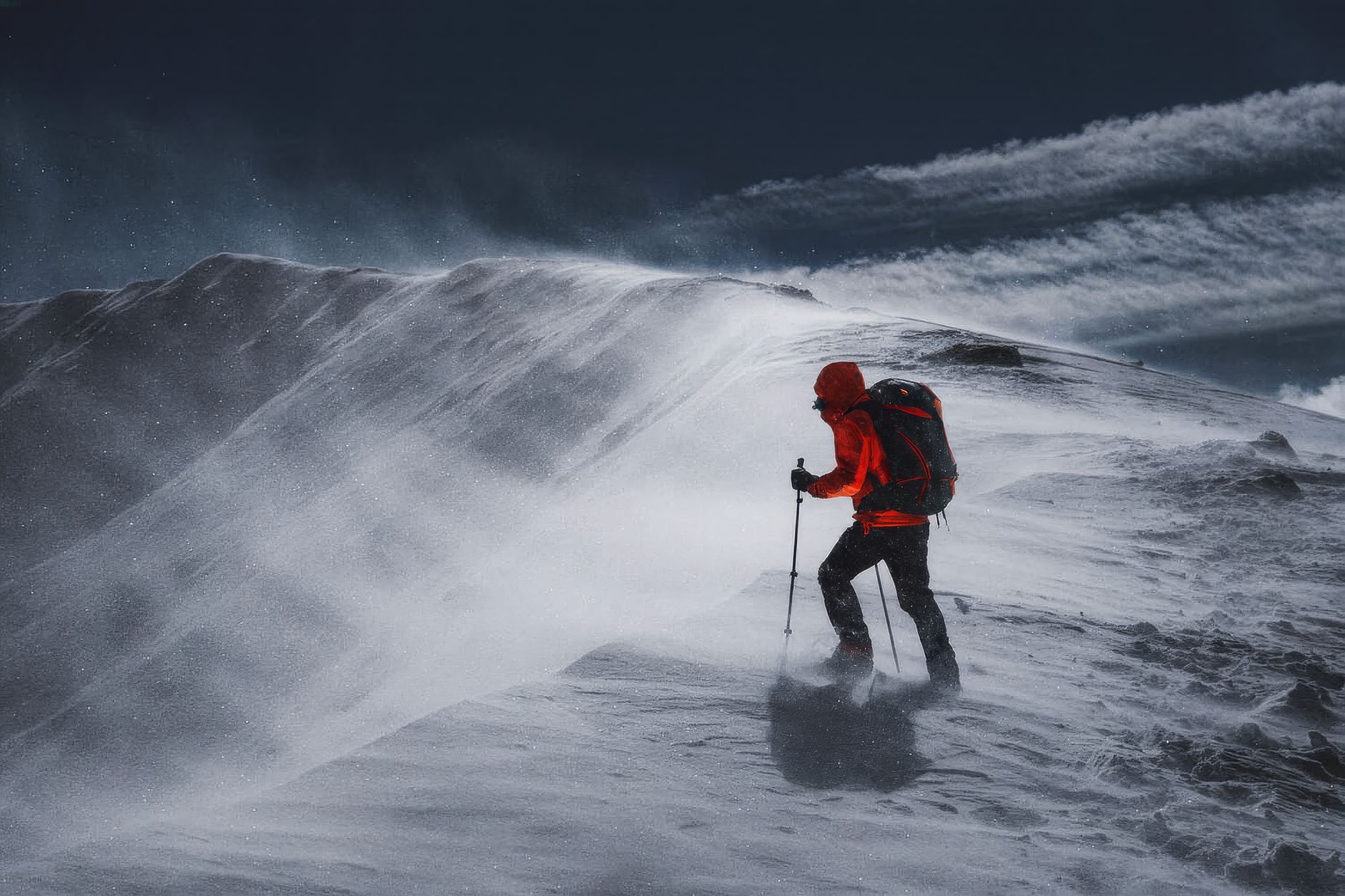
There is something quietly absurd about consuming stories of raw, desperate survival – dehydration, frostbite, the gnawing calculation of whether to eat the last of your food now or save it – from a couch, under a blanket, with a phone charging on the armrest. And yet that is precisely where most of us encounter them. Tales of humans stripped to their instincts, fighting terrain and weather and their own failing bodies, have never had a larger or more comfortable audience than they do right now.
The New Yorker’s Critics at Large podcast put the question directly: in a hyper-developed age, why do we keep returning to stripped-down survival narratives? It is a genuinely strange loop – the more insulated modern life becomes, the more appetite there seems to be for stories set in conditions that modern life was specifically designed to eliminate.

What the Genre Actually Promises
Survival stories offer something that almost no other narrative form can deliver with the same intensity: a situation in which every decision is load-bearing. In ordinary life, most choices exist in a thick cushion of reversibility. You can change jobs, leave cities, walk back bad calls. In a survival scenario, the wrong turn on a mountain at the wrong hour is not correctable. That finality is, paradoxically, what makes these stories feel like relief.
The thrill is not really about nature. It is about clarity. When the stakes are physical and immediate – find water, stay warm, signal for rescue – the noise of contemporary existence falls away completely. There are no inboxes in a blizzard. No ambiguous social dynamics when you are rationing your last calories. The wilderness functions less as a setting and more as a mechanism for reducing human experience to something legible, even beautiful in its simplicity. Readers and listeners are not escaping to nature so much as escaping to a version of decision-making that has visible consequences.
Resilience as Entertainment, and the Tension That Creates
The word resilience gets attached to these stories so often it has started to lose its edges. What survival narratives are really selling is proof – proof that the body can take more than expected, that the mind doesn’t simply fold under pressure, that the species still carries some capability beneath its climate-controlled, algorithmically managed surface. That proof lands differently depending on who is consuming it and why.
For some readers, survival accounts function as a kind of vicarious stress test. You place yourself mentally inside the scenario – the raft drifting, the water running out, the rescuers who don’t come on the third day – and you find out, in the safest possible way, where your own panic threshold might sit. It is preparation cosplay, maybe, but it is not nothing. Psychologists have long noted that narrative can serve genuine functions in emotional rehearsal, allowing people to process fear and uncertainty through a story rather than a lived crisis.
But the genre also carries a discomfort that polite coverage tends to skip past. Survival stories almost always belong to people who survived. The selection bias is total and invisible – the narratives that get published, podcasted, and adapted are the ones with someone left to tell them. What this means is that every survival story is, structurally, a success story, even when it is harrowing. The message embedded in the form itself is: this is what it looks like to make it through. That message may be inspiring. It may also be misleading in ways that are hard to account for, because the people who did not make it through left no narrative behind.
That is not a reason to dismiss the genre. It is a reason to read it with one eye slightly open. The thrill is real. The lessons about human endurance are real. The sense of wonder at what a person can physically and psychologically survive is earned, not manufactured. The blind spot is just worth naming.
Why Now, Specifically
The current appetite for survival content did not arrive without context. Streaming platforms have made wilderness documentaries and disaster reconstructions a staple category. True survival memoirs have built dedicated readerships. Podcasts like Critics at Large are asking critical questions about the form not because it is niche but because it is mainstream enough to examine seriously. The genre has crossed some threshold from adventure reading into cultural weather.
Part of what drives that mainstreaming is a specific anxiety about comfort itself. There is a creeping suspicion, in heavily developed societies, that ease has costs – that lives organized around convenience and insulation from physical difficulty produce people who are softer, less capable, less connected to anything elemental. Survival stories offer a fantasy counter to that suspicion without requiring anyone to actually test it. You can absorb the idea of human toughness without going anywhere near a mountain.
The Wild as Mirror
What nature provides in these stories is not really danger, though danger is present. What it provides is contrast. Against a backdrop of extreme conditions, the ordinary human qualities – stubbornness, improvisation, the refusal to stop moving – become visible in high relief. Those qualities exist in daily life too, deployed in smaller, less dramatic ways. The wilderness just turns up the exposure so they are easier to see.
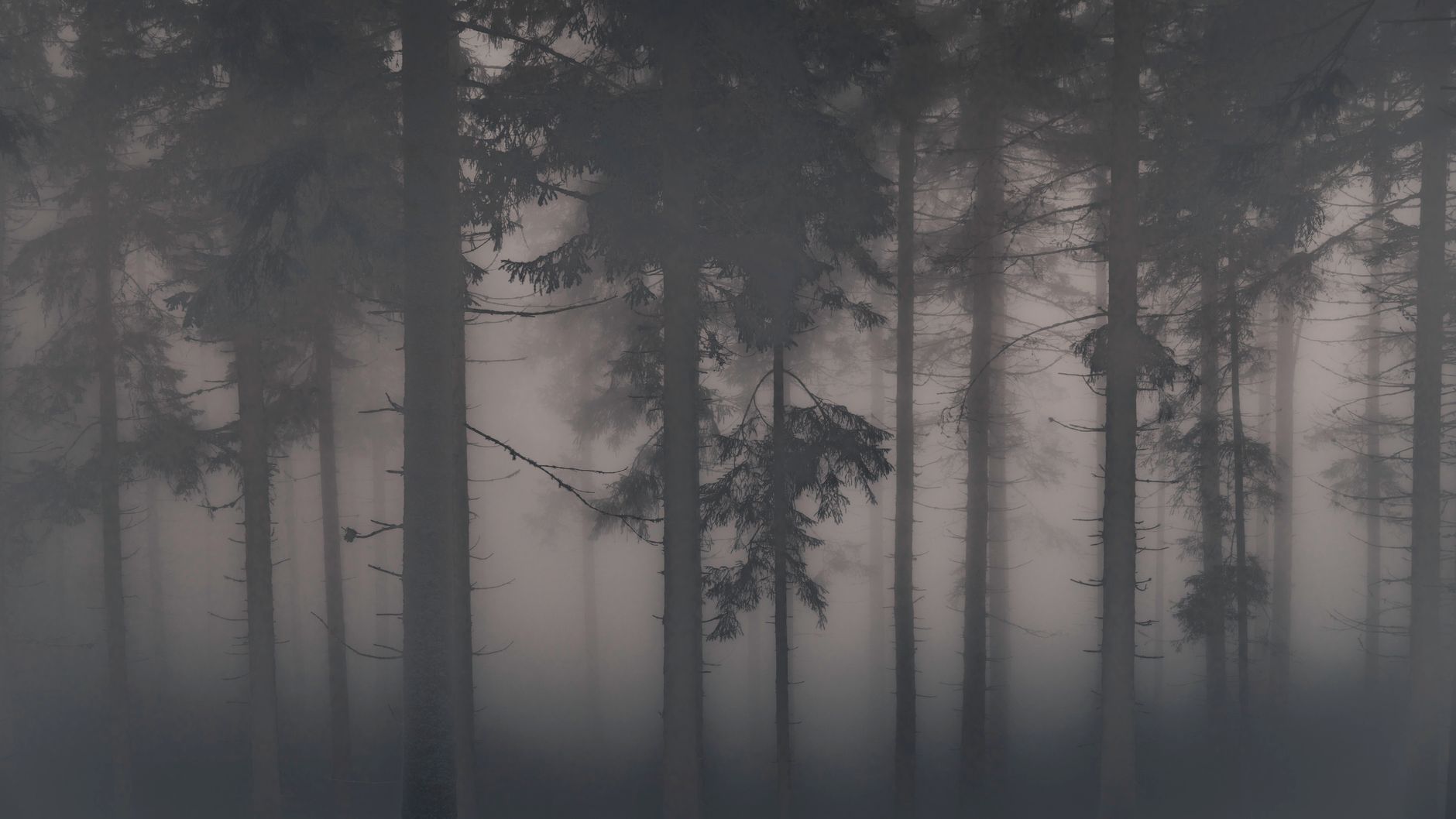
The deeper question the Critics at Large episode is circling – whether we should actually listen to what survival stories tell us – is not really about the stories themselves. It is about what we are trying to hear. If the genre is functioning as reassurance, as evidence that people are more capable than their daily routines suggest, then it is doing something useful even as entertainment. If it is functioning as a substitute for that capability – a way of feeling tough without building anything – then the couch-and-blanket setup becomes a little harder to be comfortable with. Most of us, probably, are doing some proportion of both, and the ratio shifts depending on which story we just finished and what we do with the morning after.