





A Truck That Took Nearly a Decade to Reach the Factory Floor
When Tesla unveiled its Semi concept at a company event in late 2017, smartphone cameras lit up and the trucking industry raised an eyebrow. Eight years later, on a Thursday evening in Sparks, Nevada, Tesla officially kicked off high-volume production of that same vehicle – live-streamed, invite-only, and held at the company’s own factory. The gap between debut and delivery is long enough that children born the week of the original reveal are now in third grade.
The event had the texture of a classic Tesla production launch: pulsing techno soundtrack, stage appearances, pre-taped executive remarks. Elon Musk – who for years operated these events as something close to a personal theatrical production – did not attend in person. He skipped his second consecutive vehicle debut, this time because he was at a White House China State Dinner with President Xi Jinping. In a pre-recorded video shown during the event, Musk called the Semi “a driver’s truck” and described it as “like a sports car in truck form.”

The audience in the room was not the general public.
Fleet Managers, Not Fans, Are the Real Target
Tesla positioned the Semi squarely at commercial fleet operators – specifically the cost-conscious logistics managers who oversee large trucking fleets and think in terms of total cost of ownership rather than horsepower or design language. A handful of those fleet buyers, all men, walked across the stage during the event to be acknowledged for placing orders. It was a deliberate signal about who Tesla believes will drive adoption: not individual truckers or brand loyalists, but procurement departments at companies running hundreds or thousands of vehicles.
This framing matters because the Semi’s path to scale depends almost entirely on convincing large operators that the economics work. Electric semi trucks carry significant upfront costs compared to diesel alternatives, and the operational math only closes if charging infrastructure is reliable, accessible, and fast enough to keep vehicles moving on commercial schedules. That infrastructure question remains the most stubborn variable in the entire equation – and it was conspicuously absent from the launch night’s talking points.
For context on how the broader EV industry is approaching long-range and heavy-duty challenges, Volvo recently moved to double electric range on its 2028 XC60 and XC90 hybrid lineup – a sign that range anxiety is being tackled at multiple points in the market, not just in the passenger segment. Commercial operators watching the Semi will be running similar calculations at a much larger scale, factoring in route planning, depot charging capacity, and downtime windows that passenger car comparisons don’t capture.
A $20 Trillion Company That Still Needs to Sell Trucks
There is a certain irony in the timing. Musk has spent considerable energy in recent months telling investors to stop thinking of Tesla as an electric vehicle company. His stated vision positions Tesla as a robotics and autonomous vehicle firm chasing a $20 trillion valuation – nearly four times the current market capitalization of Nvidia, which sits at the top of the global market cap rankings. That reframing has defined Tesla’s investor narrative heading into 2025 and beyond.
And yet, the company sent its team to a factory floor in Nevada to celebrate an electric truck. The Semi is not an autonomous vehicle. It is not a robot. It is a battery-powered commercial freight hauler that took from late 2017 to 2025 to reach high-volume production – a timeline that would be considered slow even by traditional automaker standards. Whether Musk’s robotics thesis eventually reshapes Tesla’s valuation is a separate debate entirely, but the company’s near-term revenue still runs through actual vehicles leaving actual factories.
The Semi’s commercial success will hinge on details that no event stage can resolve: how quickly Tesla can build out charging corridors capable of handling 80,000-pound vehicles, whether fleet operators can negotiate favorable electricity rates at scale, and how the trucks perform across long-haul routes in conditions ranging from desert heat to mountain grades. Musk described the vehicle in sports-car terms. The people signing purchase orders are thinking in freight tons and cost-per-mile.
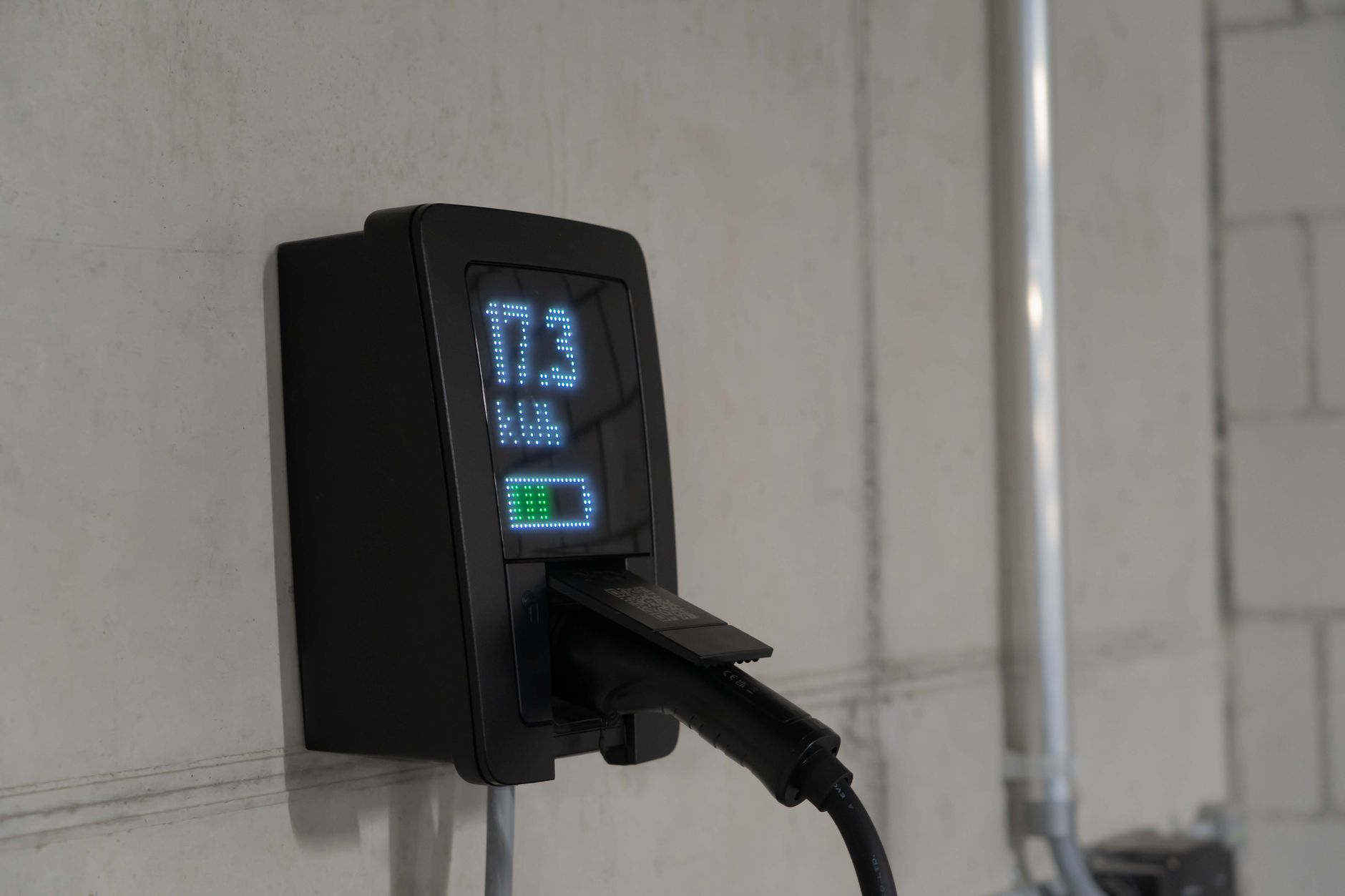
What the Sparks event made clear is that Tesla is now past the concept phase – the Semi exists, production is running, and customers are committed. What remains unresolved is the infrastructure gap between a factory full of electric trucks and a freight network built entirely around diesel, a gap that no amount of techno music and stage lighting can close on launch night.