





The numbers don’t lie: movie theater attendance has plummeted 40% since 2019, with Gen Z leading the exodus from cinema seats to living room couches. While industry executives blame pandemic lingering effects, the reality cuts deeper – an entire generation has fundamentally reimagined how they consume entertainment.
This shift represents more than just changing viewing habits. It signals a cultural transformation where the communal theater experience, once sacred to movie lovers, competes against the personalized, on-demand world of streaming platforms. Gen Z didn’t just adapt to home viewing during lockdowns; they discovered they preferred it.

The Economics of Staying Home
The financial math is brutally simple. A night out at the movies for two people – tickets, concessions, parking – easily costs $60-80 in major cities. That same amount covers nearly four months of Netflix or three months of Disney Plus. For a generation facing student debt, rising rent, and uncertain job markets, the choice becomes obvious.
“Why would I spend $15 to see one movie when I can watch unlimited content at home for $12 a month?” asks Sarah Chen, a 22-year-old college student from Los Angeles. Her sentiment echoes across social media, where Gen Z users regularly mock theater pricing while showcasing their elaborate home viewing setups.
But cost alone doesn’t explain the phenomenon. Gen Z grew up with smartphones, tablets, and laptops – devices that trained them to expect entertainment on their terms. They pause movies for bathroom breaks, rewind confusing scenes, and pull up Wikipedia mid-film to understand references. The theater’s rigid, uninterruptible experience feels restrictive rather than immersive.
Streaming platforms have responded by delivering content specifically designed for this generation’s viewing patterns. Netflix releases entire seasons at once, enabling binge-watching marathons. TikTok’s influence appears in shorter attention spans, leading to more action-packed openings and faster pacing in new releases.
The Social Media Factor
The traditional “movie night” has evolved into something unrecognizable to previous generations. Gen Z doesn’t just watch content – they interact with it. They live-tweet reactions, create TikTok videos about plot twists, and text friends throughout viewing sessions.
This behavior extends beyond casual viewing. Major film releases now generate more conversation on social platforms than in post-movie discussions. The viral moment matters more than the cinematic experience. When “Spider-Man: No Way Home” broke box office records, much of Gen Z’s excitement centered on capturing and sharing their reactions to surprise appearances.
Home viewing amplifies this social media integration. Viewers can immediately post reactions, create content, and engage with online communities without leaving their viewing space. The theater environment, with its enforced silence and phone restrictions, actually inhibits the social aspects that Gen Z values most about entertainment consumption.
Technology Redefining the Experience
Home entertainment technology has reached a tipping point where the quality gap between theaters and living rooms continues shrinking. 65-inch 4K TVs, once luxury items, now cost less than $500. Sound bars deliver theater-quality audio without the expense of full surround systems. Streaming services offer 4K content with HDR that rivals theatrical presentations.
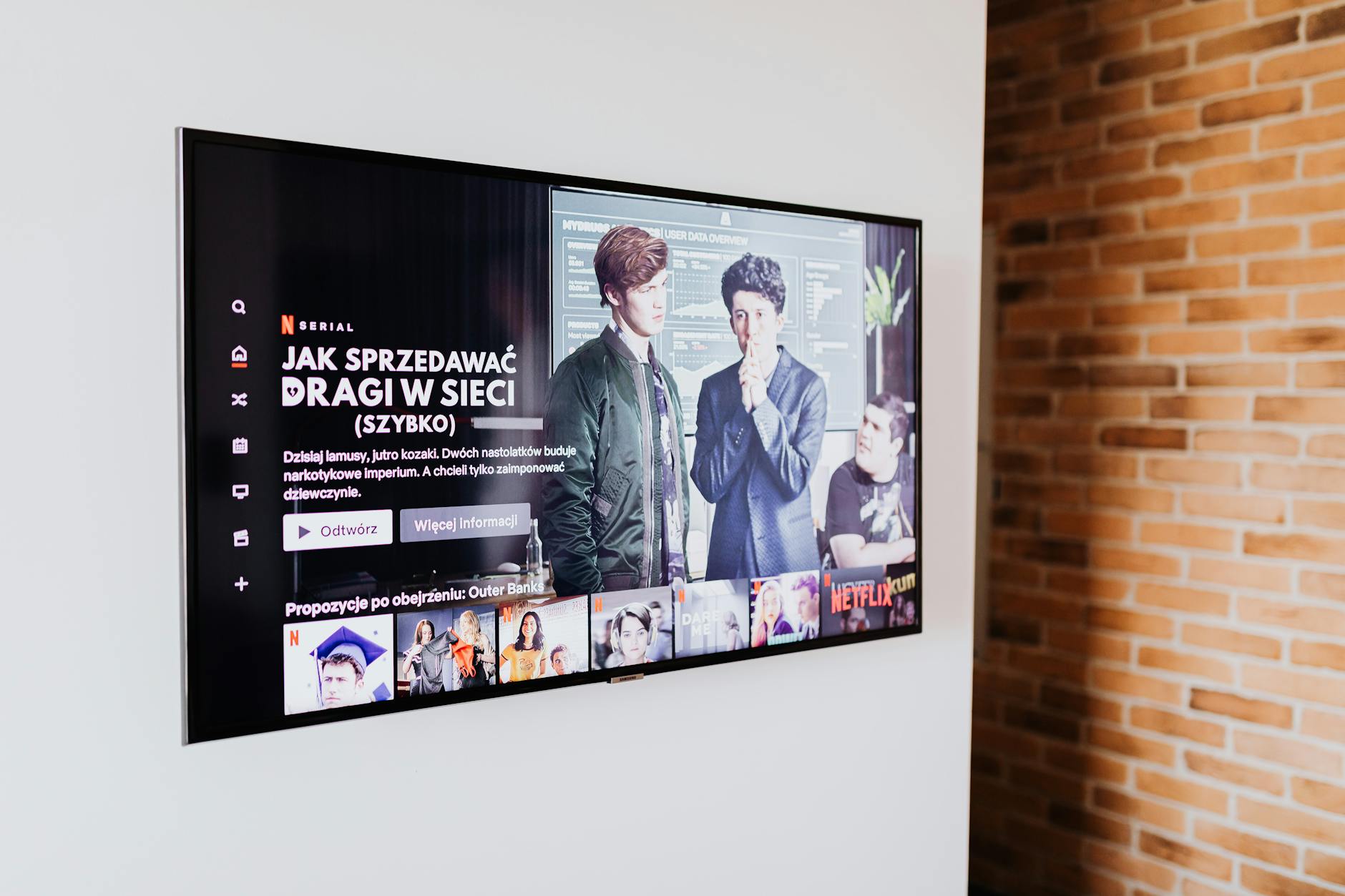
Smart TV platforms have become entertainment command centers, aggregating content from multiple services while offering personalized recommendations. Gen Z users navigate between Netflix, Hulu, YouTube, and TikTok seamlessly, creating customized entertainment experiences that theaters cannot match.
The rise of vertical video content reflects this generation’s mobile-first approach to entertainment. While traditional movies remain horizontal, Gen Z consumes increasing amounts of content designed for phone screens. This preference influences everything from music videos to short films, creating a feedback loop that makes traditional cinema feel increasingly outdated.
The convenience factor cannot be overstated. Home viewing means optimal seating, preferred snacks at reasonable prices, controlled temperature, and the ability to use bathrooms without missing crucial scenes. For a generation accustomed to customizing everything from social media algorithms to coffee orders, the one-size-fits-all theater experience feels antiquated.
The Cultural Shift
This preference for home streaming connects to broader cultural patterns affecting Gen Z. Much like how AI playlist curation is reshaping music discovery habits, streaming algorithms are fundamentally changing how young people discover and consume film content.
The communal aspect of theater-going – sharing reactions with strangers, experiencing collective gasps or laughter – holds less appeal for a generation that builds community online. Gen Z forms deeper connections through shared streaming experiences across distances than through proximity in darkened theaters.
Dating culture reflects this shift. “Netflix and chill” evolved from meme to legitimate date option, with couples more likely to stay in and explore streaming catalogs than venture out to theaters. The intimacy of home viewing, without crowds and distractions, actually enhances romantic experiences for many young couples.

The implications extend beyond entertainment into real estate and urban planning. Gen Z prioritizes apartment features like high-speed internet and living room layouts over proximity to entertainment districts. Their ideal living spaces center around home entertainment rather than easy access to cultural venues.
Studios have begun acknowledging this reality. Warner Bros.’ decision to release major films simultaneously in theaters and on HBO Max sparked industry controversy but reflected Gen Z viewing preferences. Disney Plus’s success with direct-to-streaming releases of films like “Hamilton” and “Soul” demonstrates the financial viability of bypassing theaters entirely.
The future likely holds a hybrid model where theaters survive by offering experiences impossible to replicate at home – IMAX spectacles, live events, and social gatherings. But the days of theaters as the default movie destination appear numbered. Gen Z’s preference for home streaming isn’t a temporary pandemic adjustment; it represents a permanent cultural evolution that will shape entertainment consumption for decades to come.
Frequently Asked Questions
Why do Gen Z prefer streaming over movie theaters?
Gen Z prefers streaming due to lower costs, ability to multitask and use social media, better home technology, and preference for customized viewing experiences.
Are movie theaters dying because of streaming?
Theater attendance has dropped 40% since 2019, with Gen Z leading the shift to home streaming platforms over traditional cinema experiences.