




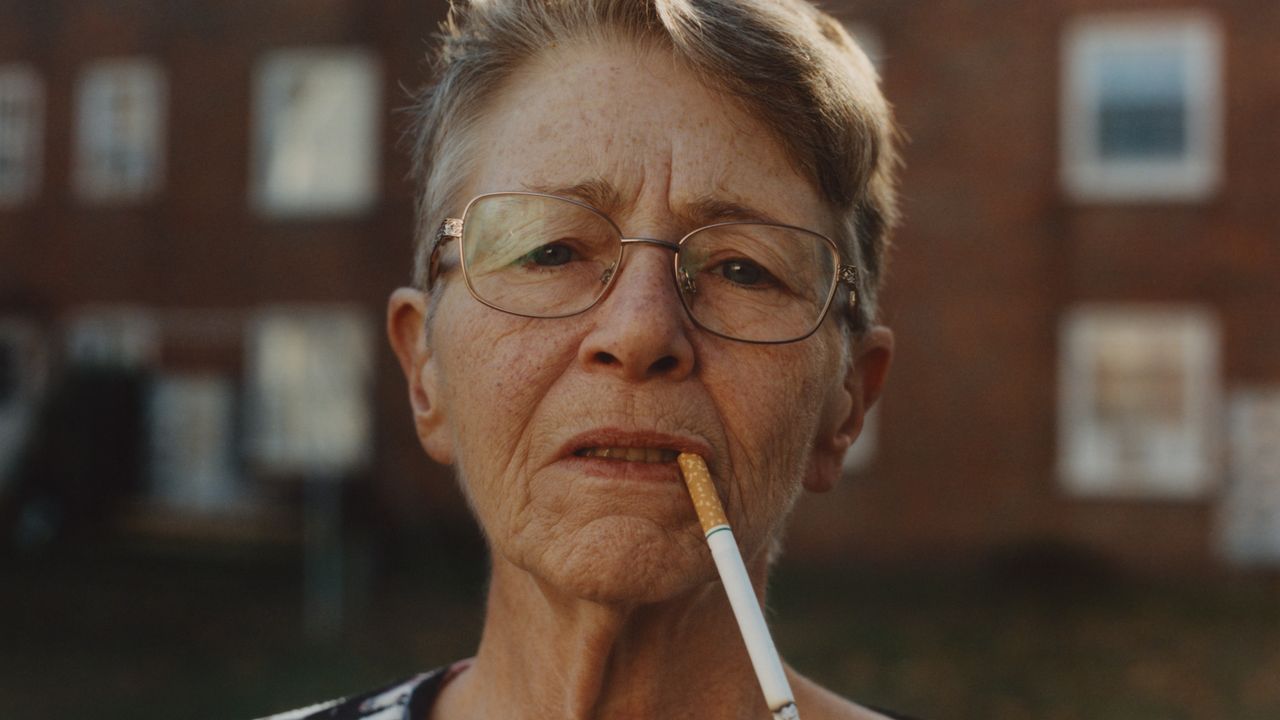
Anthony Wilson’s camera finds stories that statistics often miss. His photography series “Mawmaw” documents a quiet demographic shift across West Virginia, where grandmothers assume full-time parenting duties for grandchildren whose parents cannot.
The portraits capture women who thought their child-rearing days were behind them, now navigating school pickups, homework supervision, and bedtime routines decades after raising their own children. These aren’t temporary arrangements.
When Crisis Creates New Family Structures
Wilson’s subjects became primary caregivers through various circumstances – addiction, incarceration, death, or abandonment left children without stable homes. The grandmothers stepped forward, often with limited financial resources and aging bodies that protest against chasing toddlers.
The photographer spent months building trust within these communities, understanding that many families prefer privacy over publicity. His approach avoids sensationalism, instead focusing on the mundane moments that define this unexpected second chapter of motherhood.
Appalachian Resilience Through a Lens
West Virginia’s economic challenges compound these family situations. Many of the grandmothers Wilson photographed live on fixed incomes, stretching Social Security payments to cover diapers and school supplies. Some returned to part-time work despite retirement plans, while others navigate complex legal systems to secure custody rights.
The state ranks among the highest nationally for grandparent-headed households, a statistic that reflects broader economic and social pressures. Wilson’s photographs reveal how these women adapt their homes – converting spare rooms into nurseries, installing safety gates on stairs they climbed freely for years.
His portraits show weathered hands braiding small ponytails, reading bedtime stories through bifocals, and teaching grandchildren family recipes that might otherwise disappear. The images capture both exhaustion and determination.

Wilson avoids romanticizing these circumstances while acknowledging the strength required. One photograph shows a grandmother helping with multiplication tables, her lined face concentrated on problems she hasn’t solved since her own children attended elementary school. Another captures a woman in her sixties pushing a swing set, her arthritis evident but her attention focused entirely on the giggling child.
Documentary Photography’s Quiet Power
“Mawmaw” joins a tradition of documentary work that illuminates overlooked communities. Wilson’s technique emphasizes natural light and unguarded moments, creating intimacy without intrusion. The series avoids the poverty tourism that sometimes characterizes Appalachian photography.
These images function as both art and advocacy, potentially influencing policy discussions about kinship care support and grandparent rights. The photographs provide faces for legislative debates often conducted in abstract terms.
Legacy Through Generational Sacrifice
Wilson’s grandmother subjects rarely speak of sacrifice in interviews accompanying the photographs. They discuss school events they’ll attend, college funds they’re starting, and traditions they’re preserving. Their perspectives focus forward rather than backward.
The children in these photographs may not fully understand their grandmothers’ choice until they become adults themselves. Wilson’s documentation creates a visual record of this devotion, preserving stories that might otherwise exist only in family memory.

The series raises questions about society’s expectations of retirement and family responsibility. When does grandparent duty end, and who determines those boundaries when crisis strikes the next generation?