



Writers are trading coffee shops for marble halls, swapping laptop screens for centuries-old masterpieces. Art museums across the country are launching overnight writing retreats, transforming galleries into creative sanctuaries where authors craft their next novels surrounded by Van Goghs and Picassos.
The Metropolitan Museum of Art in New York pioneered this trend in 2023, hosting its first “Words Among Wonders” program. Twenty fiction writers spent three nights in the museum’s American Wing, writing from sunset to sunrise with only security guards and priceless artifacts for company. The program sold out within hours, sparking similar initiatives at museums nationwide.
The Creative Power of Silent Galleries
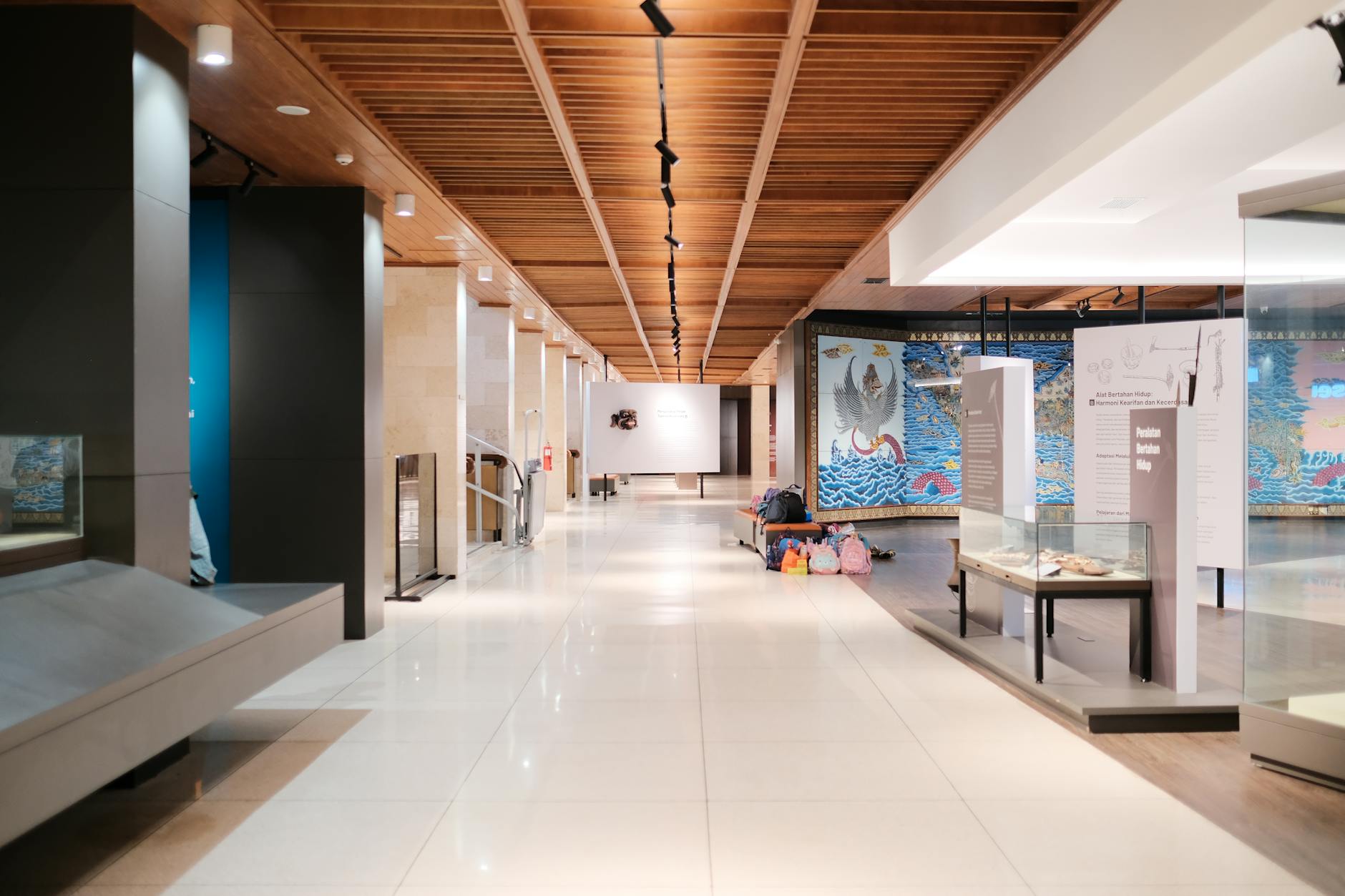
Museums offer something coffee shops and co-working spaces cannot: profound silence and visual inspiration without digital distractions. Writers report breakthrough moments when facing Georgia O’Keeffe paintings at 3 AM or crafting dialogue while seated beneath ancient Egyptian sculptures.
“The energy changes completely after closing time,” says Sarah Chen, a novelist who attended the Museum of Fine Arts Boston’s recent retreat. “During the day, you’re competing with crowds and noise. At night, you’re in conversation with the art itself.”
The Philadelphia Museum of Art launched its “Midnight Muse” program after seeing the Met’s success. Writers work in the museum’s contemporary galleries, with many gravitating toward the large-scale installations that become even more dramatic under night lighting. The program includes guided meditation sessions in the sculpture garden and optional artist talks via video call.
Museums are discovering that overnight programs generate revenue during traditionally dormant hours while creating unique cultural experiences. The Hirshhorn Museum in Washington DC reports that their writing retreat participants often become museum members and frequent visitors, extending the relationship beyond the three-day intensive.
From Visual Art to Written Word
The programs structure creative exercises around permanent collections. Writers at the Art Institute of Chicago work with prompts inspired by specific paintings, while participants at SFMOMA craft stories based on video art installations. These constraints often push authors in unexpected directions.
Romance novelist Maria Santos credits her museum retreat with breaking through a two-year writer’s block. “I was stuck on a character until I spent an hour with Frida Kahlo’s self-portraits,” she explains. “Something about her direct gaze helped me understand what my protagonist was really feeling.”
Museums are partnering with established writing organizations to design curricula. The Whitney Museum collaborates with The Writers Studio, while the Guggenheim works with local MFA programs to recruit participants. These partnerships ensure professional-level instruction alongside the unique setting.
The Business Behind the Inspiration
Writing retreats represent a natural evolution for museums seeking new revenue streams and audience engagement. Traditional museum programming focuses on daytime visitors, leaving valuable real estate unused during evening hours. Overnight writing programs maximize facility usage while attracting demographics that might not otherwise visit.
The financial model works for both institutions and participants. Museums charge between $400-800 for three-night programs, including basic meals and writing materials. For writers, this cost compares favorably to traditional retreat centers while offering an experience impossible to replicate elsewhere.
Some programs include publishing industry connections. The Modern Art Museum of Fort Worth partnered with local literary agents who attend final reading sessions, potentially launching careers. This added value helps justify premium pricing and attracts serious writers rather than casual participants.
Insurance and security present unique challenges. Museums must maintain their strict protocols while accommodating overnight guests. Most programs limit participants to 15-20 writers and require background checks. Emergency protocols receive special attention, given the priceless surroundings.
Creative Cross-Pollination
The museum writing retreat trend reflects broader changes in how cultural institutions engage audiences. Just as record shops are hosting concerts for emerging artists, museums are expanding beyond traditional exhibition models to create immersive experiences.
Writers report that the visual stimulus generates unexpected narrative directions. Science fiction author David Kim spent a night at the California Academy of Sciences writing in the planetarium, resulting in a space opera that incorporated astronomical concepts he encountered during the retreat.
The cross-disciplinary approach appeals to museums’ educational missions. Curators observe how writers interpret artworks differently than art historians, often uncovering new perspectives on familiar pieces. Some museums are incorporating these insights into future exhibition materials.
Program success has led to expansion and variation. The Detroit Institute of Arts now offers genre-specific retreats, with separate programs for mystery writers, poets, and memoir authors. The Nelson-Atkins Museum in Kansas City hosts monthly single-night “writing salons” for local authors who cannot commit to multi-day programs.
Museums are also exploring digital extensions. Participants receive access to high-resolution images of artworks that inspired their writing, creating lasting connections between their literary work and visual art. Some institutions are developing virtual reality experiences that recreate the after-hours museum atmosphere for writers unable to attend in person.
The overnight writing retreat phenomenon signals a fundamental shift in how museums view their role in contemporary culture. Rather than passive repositories of historical artifacts, they’re becoming active incubators of new creative work. As more institutions launch similar programs, writers gain unprecedented access to inspiration that has motivated artists for centuries.
This trend will likely expand internationally, with European museums already expressing interest in similar programs. The combination of cultural prestige, unique atmosphere, and practical writing space creates value propositions difficult for traditional retreat centers to match. For authors seeking breakthrough moments, the answer might not be a cabin in the woods but a night surrounded by humanity’s greatest artistic achievements.
Frequently Asked Questions
How much do museum writing retreats typically cost?
Most programs charge between $400-800 for three-night retreats, including meals and writing materials.
Which museums offer overnight writing programs?
The Met, Museum of Fine Arts Boston, Philadelphia Museum of Art, and Hirshhorn Museum are among institutions hosting these retreats.