




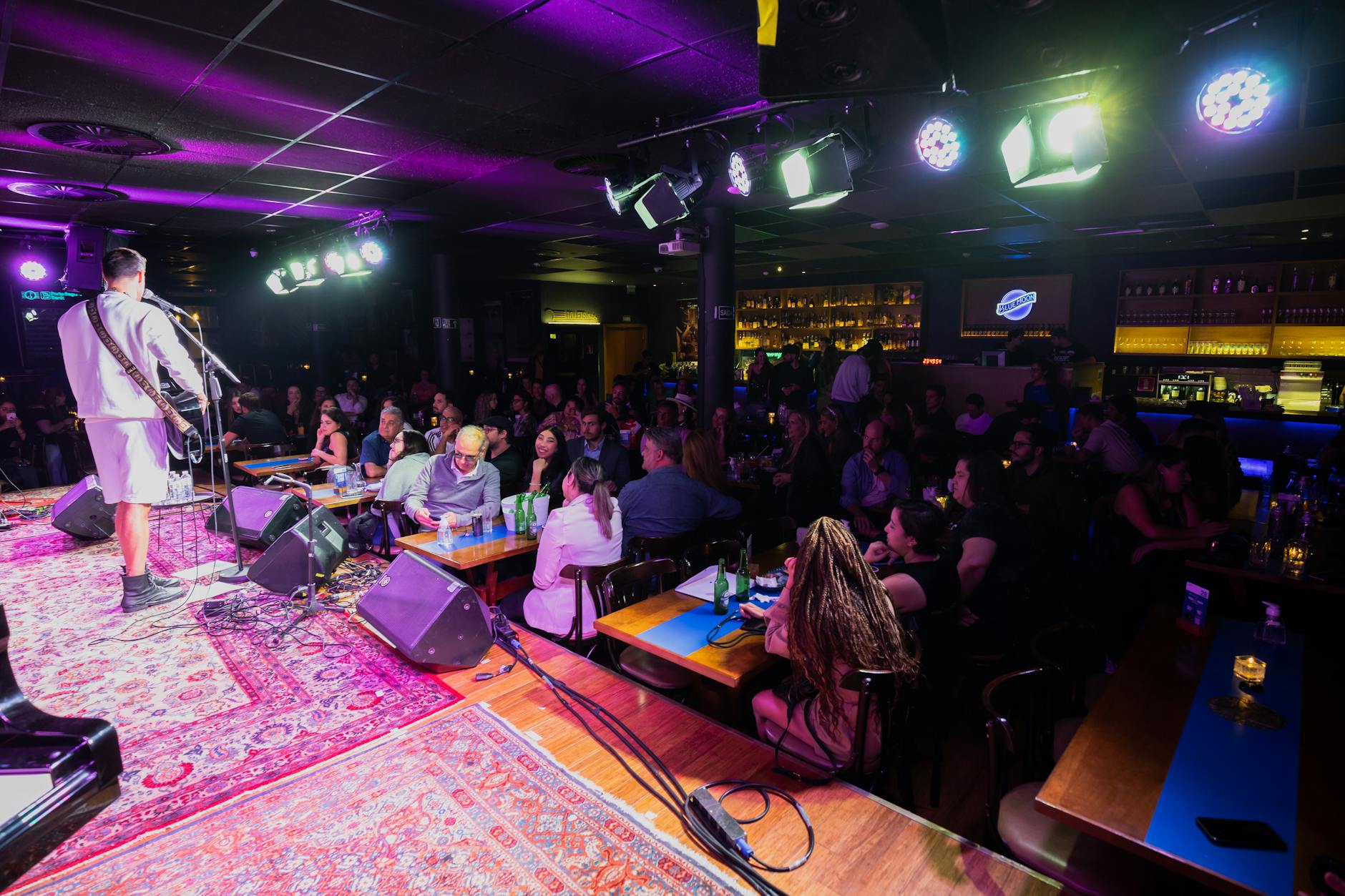
Comedy clubs across major cities are installing wireless headphone systems traditionally used for silent disco parties, creating quieter performance spaces that accommodate audiences with autism, ADHD, and sensory processing differences. The Laugh Track in Chicago and Punchline in Atlanta have reported 40% increases in neurodivergent audience members since launching these programs.
The movement addresses a longstanding accessibility gap in live entertainment. Traditional comedy venues often feature amplified sound systems, bright stage lighting, and unpredictable crowd reactions that can overwhelm people with sensory sensitivities. Silent disco technology allows individual audience members to control their audio levels while still experiencing the full performance.
Comedy club owners are partnering with disability advocacy groups to develop these inclusive formats. The shows typically feature dimmed house lighting, designated quiet zones, and advance content warnings for potentially triggering material. Performers receive training on interacting with neurodivergent audiences and adapting their sets for headphone-wearing crowds.
The Technology Behind Sensory-Friendly Comedy
Silent disco headphones work through multiple radio frequency channels, allowing venues to broadcast different audio feeds simultaneously. Comedy clubs use this technology to offer various volume levels and sometimes multiple language translations during the same show. Advanced systems include bone conduction headphones that don’t completely block ambient sound, helping audience members feel connected to the room’s energy.
Several venues have invested in noise-canceling booth seating areas where patrons can retreat during overwhelming moments without leaving the performance entirely. The Comedy Cellar in New York recently installed sensory break rooms equipped with fidget tools, weighted blankets, and adjustable lighting for audience members who need brief respites during shows.
Club managers report that these modifications benefit broader audiences beyond the neurodivergent community. Parents with young children, people with hearing difficulties, and those with anxiety disorders have embraced the flexible audio options. The technology also allows for real-time closed captioning displayed on personal devices synced to the headphone feed.
Comedian Response and Set Adaptations
Professional comedians are adapting their performance styles for headphone-wearing audiences. Stand-up veterans like Maria Bamford and Hannah Gadsby, both advocates for mental health awareness, have headlined sensory-friendly shows at major venues. These performances often feature more structured timing, clearer verbal cues, and reduced reliance on sudden volume changes for comedic effect.
Emerging comedians are specifically developing material for neurodivergent audiences, incorporating themes of sensory experiences, social navigation, and neurological differences. Comedy writing workshops now include sensitivity training and guidance on creating inclusive content that doesn’t rely on stereotypes or harmful representations of disabilities.
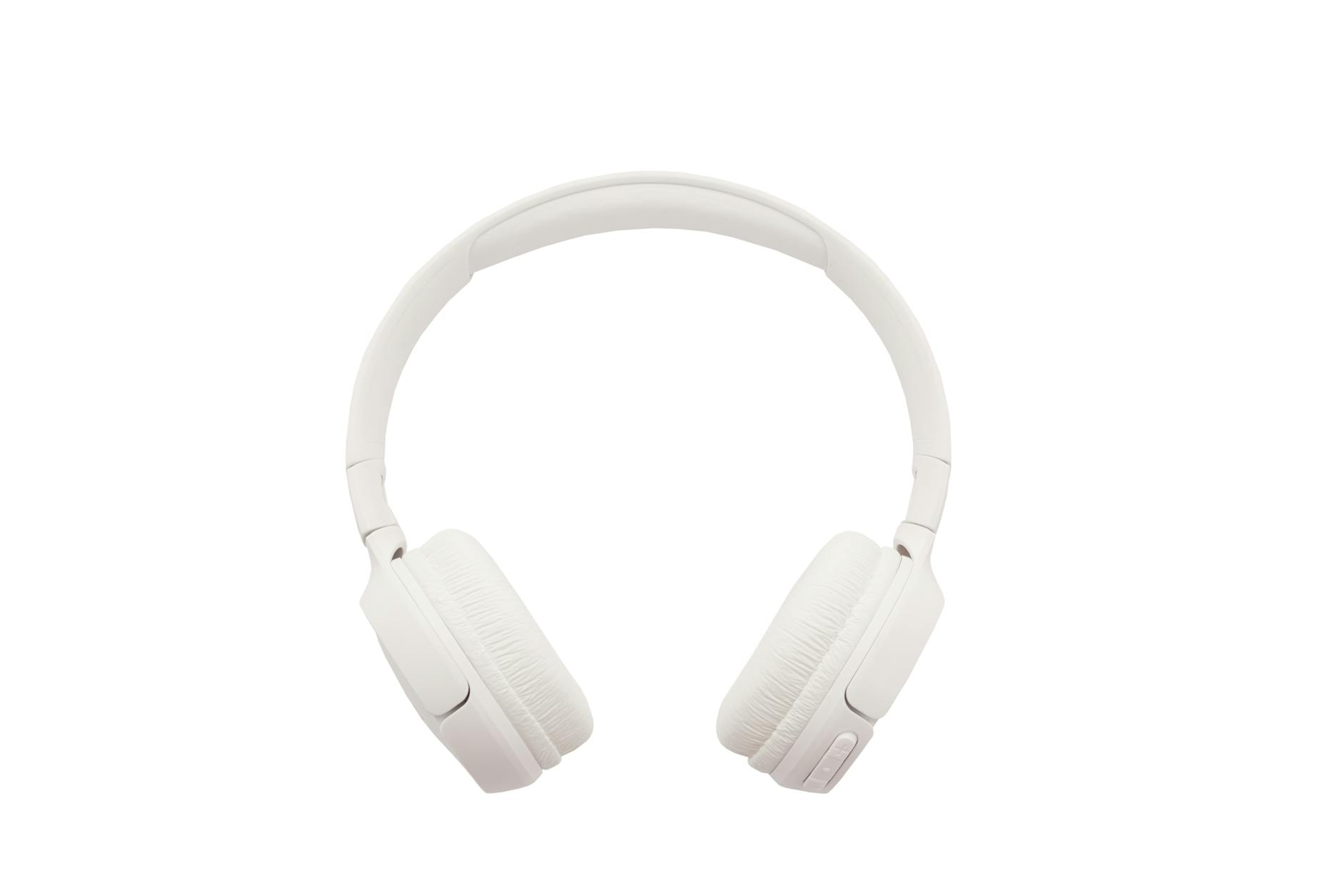
The format challenges traditional comedy club economics, as headphone equipment requires significant upfront investment and ongoing maintenance. However, clubs report that sensory-friendly shows often sell out faster than standard performances, with many venues expanding their accessible programming to multiple nights per week.
Building Inclusive Entertainment Communities
Beyond individual venue modifications, comedy clubs are collaborating with autism support organizations and neurodivergent advocacy groups to develop comprehensive accessibility programs. These partnerships include pre-show venue tours, detailed sensory maps indicating lighting and sound levels throughout different seating areas, and trained staff members who understand various accommodation needs.
The success of sensory-friendly comedy shows has influenced other entertainment sectors. Live music venues are experimenting with similar headphone systems, while local theater groups are seeing their biggest audiences in decades partly due to inclusive programming initiatives.
Social media communities have formed around these accessible entertainment experiences, with audience members sharing reviews, recommendations, and tips for navigating sensory-friendly events. Comedy clubs monitor these online discussions to continuously improve their accommodation offerings based on direct feedback from neurodivergent patrons.
Economic Impact and Future Expansion
Market research indicates that neurodivergent adults represent a significant untapped entertainment demographic, with many reporting they rarely attend live performances due to sensory barriers. Comedy clubs offering accessible programming have documented increased season ticket sales and higher customer retention rates among families with neurodivergent members.
Corporate sponsors are beginning to support these inclusive initiatives, viewing them as authentic community engagement rather than surface-level diversity efforts. Technology companies specializing in assistive devices have partnered with entertainment venues to test new accessibility innovations in real-world settings.
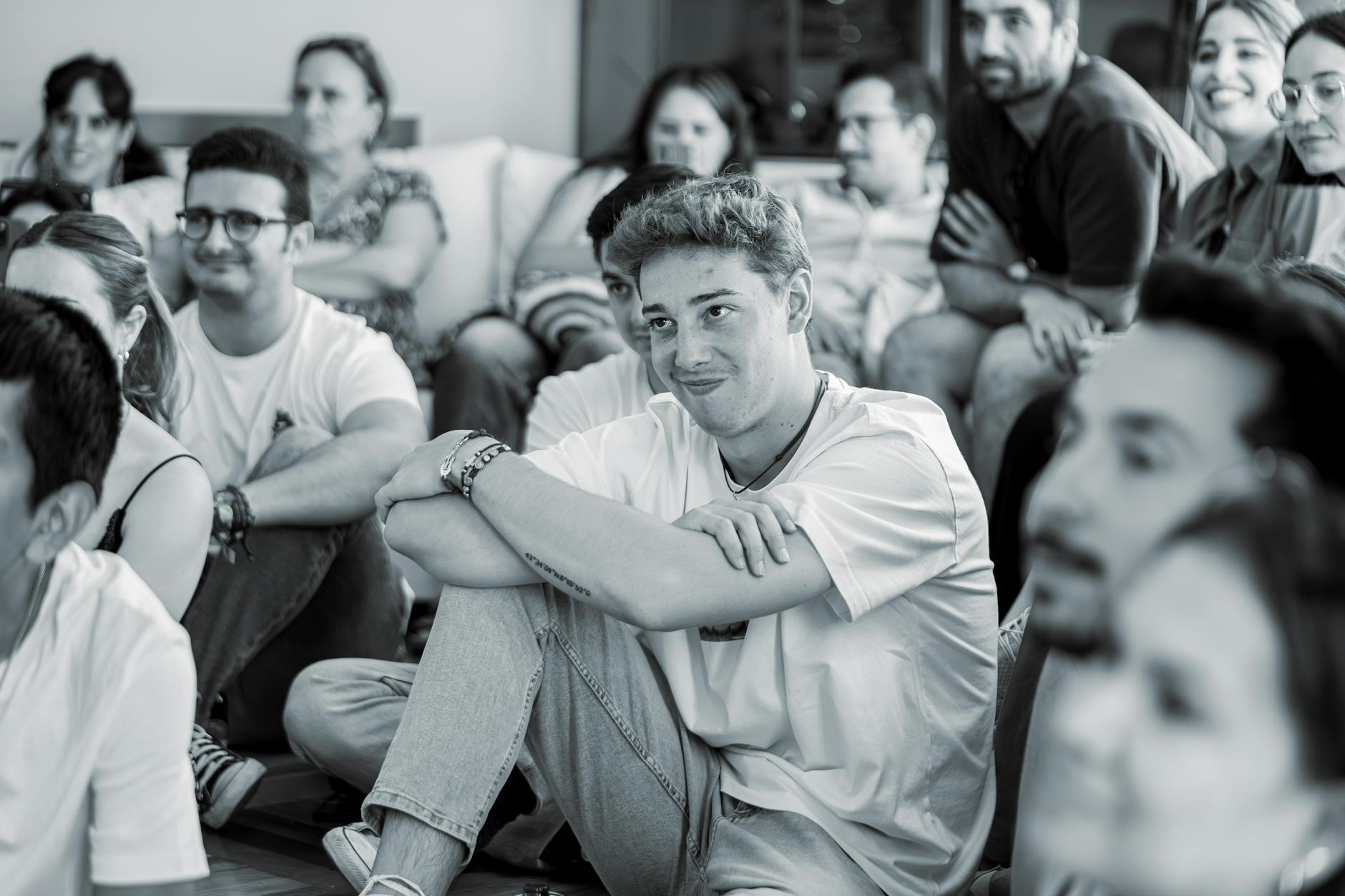
The expansion of sensory-friendly comedy programming represents a fundamental shift toward universal design in entertainment spaces. As venues invest in flexible audio technology and staff training, they’re creating environments that work better for everyone, not just specific disability communities. Industry analysts predict that accessibility features will become standard requirements for new entertainment venue construction within the next five years.
This movement extends beyond accommodation toward genuine inclusion, with neurodivergent performers increasingly represented on comedy club stages and in writer’s rooms. The result is a richer, more diverse comedy landscape that reflects the full spectrum of human experience and neurological differences.
Frequently Asked Questions
How do silent disco headphones work in comedy clubs?
Wireless headphones let audience members control their audio levels while experiencing the full comedy performance, with options for different volume settings.
Which comedy clubs offer sensory-friendly shows?
Major venues in Chicago, Atlanta, and New York have launched programs, with more clubs adding accessible programming weekly.