





Your smartwatch just buzzed with a notification that has nothing to do with steps or calories burned. Instead, it’s gently suggesting you take a breathing break because your stress levels spiked during that morning meeting. Welcome to the next evolution of fitness tracking, where monitoring your mental state is becoming just as important as counting your daily steps.
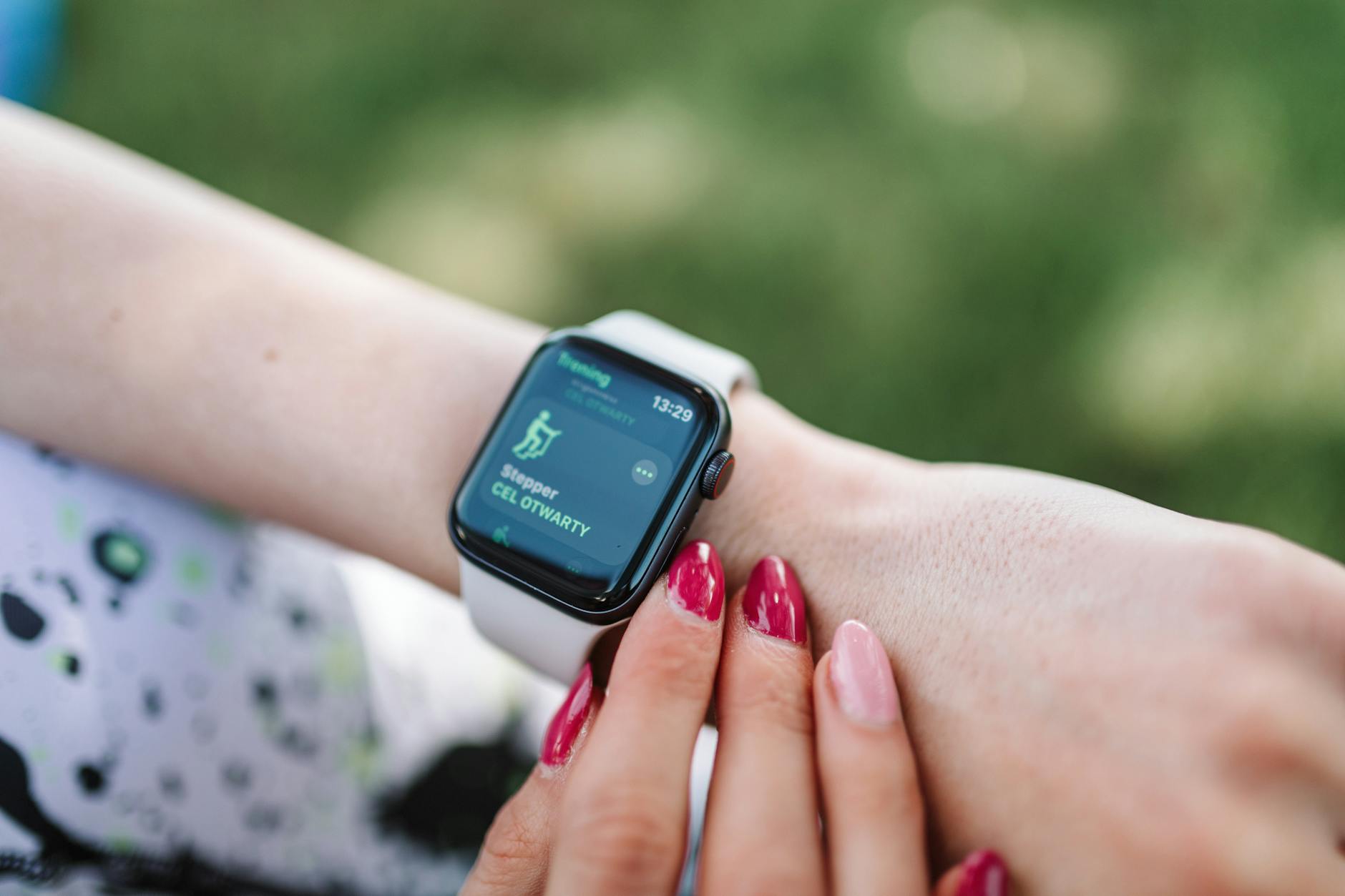
Major fitness tracker manufacturers are rapidly integrating mental health features into their devices, transforming wrist-worn gadgets from simple activity monitors into comprehensive wellness companions. Fitbit’s Sense series now includes stress management tools and mood tracking, while Apple Watch offers mindfulness reminders and breathing exercises. Garmin has added stress tracking and relaxation breathing timers to most of its current lineup.
This shift reflects a growing recognition that physical and mental health are inseparably linked. As consumers increasingly prioritize holistic wellness over just physical fitness metrics, tech companies are responding with features that address anxiety, stress, sleep quality, and emotional well-being.
The Technology Behind Mental Health Monitoring
Modern fitness trackers use multiple sensors to gauge mental state, primarily through heart rate variability (HRV) monitoring. HRV measures the time variation between heartbeats, which changes based on stress levels and emotional state. When you’re relaxed, your heart rate variability increases. During stress or anxiety, it decreases.
Advanced models combine HRV data with other biometric markers like skin temperature, movement patterns, and sleep quality to create a more complete picture of mental wellness. The Apple Watch uses its optical heart sensor and accelerometer to detect irregular patterns that might indicate stress or anxiety episodes.
Some devices are incorporating skin conductance sensors, similar to those used in lie detector tests, to measure tiny electrical changes in the skin that occur during emotional responses. These sensors can detect stress responses before users consciously realize they’re feeling anxious.
The algorithms processing this data are becoming increasingly sophisticated. Machine learning models trained on thousands of users can now identify personalized stress patterns and provide targeted interventions. Your tracker learns that you typically experience elevated stress around 3 PM and might proactively suggest a brief meditation session.
Real-World Applications and User Adoption
Healthcare professionals are taking notice of these capabilities. Some therapists now encourage patients to share their fitness tracker data during sessions, using stress patterns and mood logs as conversation starters about mental health triggers. Sleep specialists use the detailed sleep stage data to identify connections between poor rest and emotional distress.
Corporate wellness programs are integrating these features as well. Companies like Google and Microsoft provide employees with fitness trackers that include stress monitoring, recognizing that mental health directly impacts productivity and job satisfaction. The data helps identify workplace stressors and implement targeted wellness interventions.
User adoption varies significantly by age group. Younger users, particularly those in their 20s and 30s, actively engage with mood tracking and stress management features. They’re more likely to set up breathing reminders and use guided meditation apps connected to their devices. Older users often focus primarily on the passive monitoring aspects, appreciating stress alerts without necessarily engaging with all the interactive features.

Privacy concerns remain a significant barrier to widespread adoption. Mental health data is particularly sensitive, and users worry about how companies store and potentially share this information. Most major manufacturers now allow users to keep mental health data local or encrypted, but trust issues persist.
Integration with Broader Health Ecosystems
The mental health monitoring capabilities of fitness trackers are becoming more powerful when integrated with other health apps and devices. Many users now create comprehensive wellness dashboards that combine fitness tracker data with sleep apps, meditation platforms, and even smart home devices.
Voice-to-text journaling apps are increasingly popular companions to fitness trackers with mental health features. Users can quickly log their emotional state or stressful events, and the combined data provides deeper insights into mental health patterns.
Smart mirrors in bathrooms are also beginning to integrate with fitness trackers to provide morning wellness check-ins. These connected devices can display overnight stress recovery data and suggest personalized morning routines based on sleep quality and stress levels from the previous day.
The integration extends to traditional healthcare as well. Some doctors now request fitness tracker data during routine checkups, particularly mental health screening data that might reveal patterns not apparent during brief office visits. This continuous monitoring provides a more accurate picture of a patient’s daily mental state than self-reported questionnaires.

The Future of Mental Wellness Wearables
The next generation of fitness trackers will likely include more advanced biometric monitoring for mental health. Researchers are developing non-invasive sensors that can detect cortisol levels through skin contact, providing real-time stress hormone monitoring. Blood oxygen sensors, already present in many current devices, are being refined to detect anxiety-related breathing patterns with greater accuracy.
Artificial intelligence will play an increasingly important role in personalizing mental health interventions. Future devices might learn individual stress triggers so precisely that they can provide preventive suggestions before stress levels spike. Imagine a tracker that knows you typically feel anxious before important presentations and automatically guides you through a brief calming exercise thirty minutes beforehand.
The social aspects of mental health monitoring are also evolving. Some fitness tracker companies are developing features that allow trusted contacts to receive wellness alerts during mental health crises, similar to fall detection for elderly users. These systems could provide crucial support networks for people managing depression or anxiety disorders.
As mental health awareness continues growing globally, fitness trackers are positioning themselves as essential tools in comprehensive wellness management. The devices that once simply counted steps are becoming sophisticated health companions, capable of monitoring both body and mind with increasing precision and empathy.
Frequently Asked Questions
How do fitness trackers monitor mental health?
They use heart rate variability, skin temperature, and movement patterns to detect stress levels and emotional states through advanced sensors.
Are mental health features on fitness trackers accurate?
While not medical-grade, they provide useful insights when combined with other biometric data and are improving with machine learning algorithms.