





Steam Deck sales hit 3 million units in 2024, while Nintendo Switch indie game sales dropped 15% compared to the previous year. This shift signals more than just market competition – it represents a fundamental change in how independent developers view portable gaming platforms.
The rise of handheld gaming PCs like Steam Deck, ASUS ROG Ally, and Lenovo Legion Go has created a new ecosystem where indie developers can bypass Nintendo’s restrictive policies and reach audiences hungry for diverse gaming experiences. Unlike the Switch’s closed system, these devices run full Windows or Linux, giving developers unprecedented freedom to distribute their games.
Raw Performance Unleashes Creative Freedom
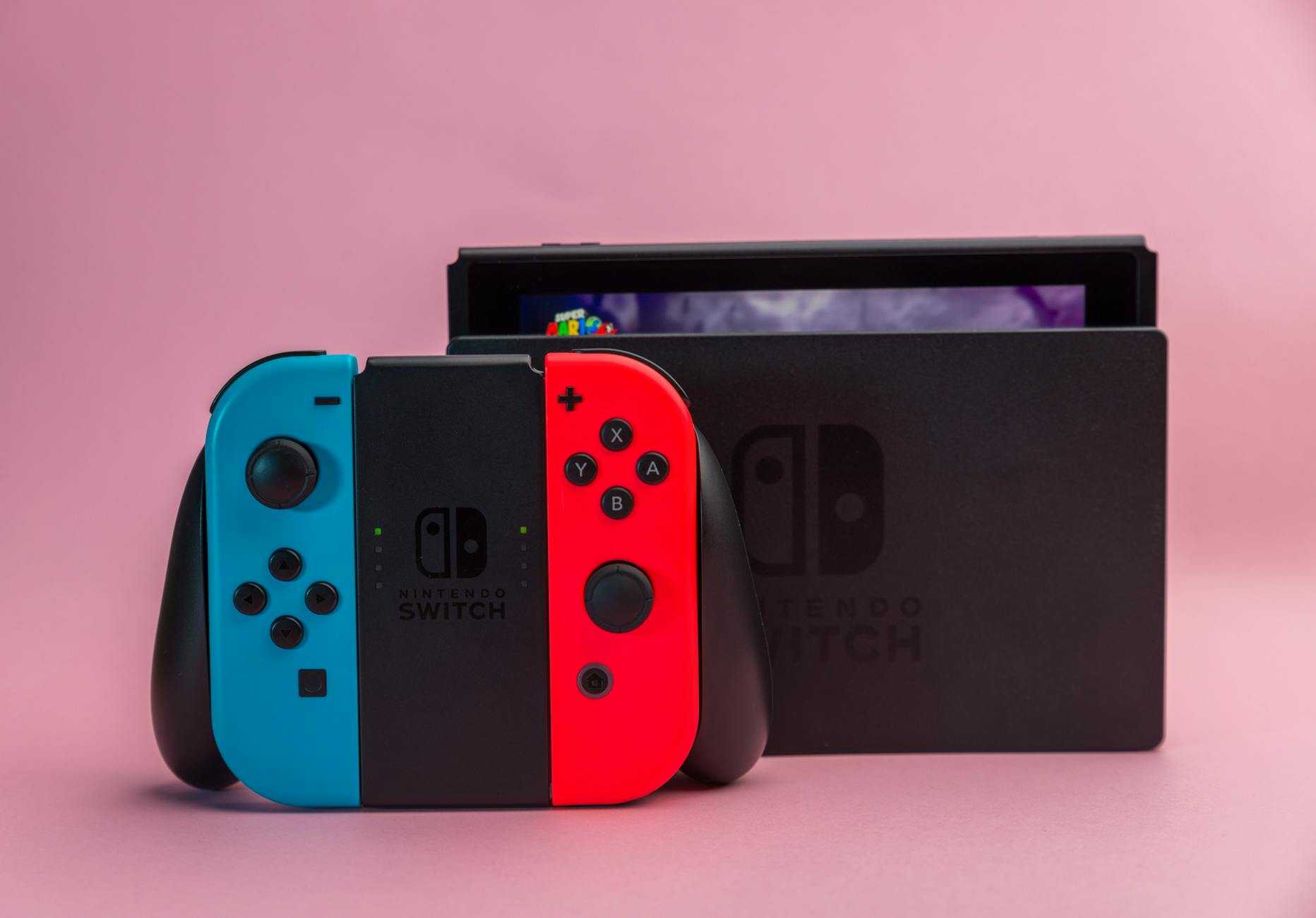
Handheld gaming PCs deliver processing power that makes the Switch look dated. The Steam Deck’s custom AMD APU runs circles around Nintendo’s aging Tegra X1 chip, while newer models like the ROG Ally pack even more punch with Ryzen Z1 processors.
This performance gap matters most for indie developers pushing creative boundaries. Games like “Pizza Tower” and “Blasphemous 2” run at higher frame rates and resolutions on handheld PCs, allowing developers to showcase their work as intended. Switch versions often require significant downgrades, compromising artistic vision for platform compatibility.
The technical advantages extend beyond raw specs. Handheld gaming PCs support modern graphics APIs, advanced lighting systems, and complex particle effects that indie developers increasingly rely on. Switch hardware forces compromises that can fundamentally alter gameplay mechanics or visual storytelling.
Memory limitations particularly frustrate indie developers. Switch games are capped at 32GB cartridges, with many indies restricted to much smaller sizes due to cost. Handheld PCs face no such constraints, letting developers include full soundtracks, voice acting, and expansive content without painful cuts.
Distribution Revolution Cuts Out Gatekeepers
Steam’s dominance in PC gaming translates directly to handheld gaming PCs, giving indie developers access to millions of potential customers without Nintendo’s approval process. Steam’s algorithm-driven discovery system often favors unique indie titles over AAA releases, creating opportunities for breakout hits.
Nintendo’s eShop approval process remains opaque and slow, with some developers waiting months for certification. Rejected games have no appeal process, leaving developers stranded after investing significant development time. Steam’s more open approach lets developers release quickly and iterate based on player feedback.
The financial difference is striking. Nintendo takes a 30% cut from digital sales and charges additional fees for cartridge production, certification, and marketing placement. Steam also takes 30%, but developers keep more revenue by avoiding physical production costs and mandatory certification fees.
Early access programs flourish on Steam but don’t exist on Nintendo’s platform. This model proves crucial for indie developers who rely on community feedback to refine their games before full launch. Successful early access titles like “Hades” and “Dead Cells” demonstrate how this approach can transform small indie projects into major successes.
Modding Communities Drive Long-Term Success
Handheld gaming PCs inherit PC gaming’s robust modding ecosystem, extending game lifecycles far beyond original releases. Indie games like “Stardew Valley” and “Terraria” continue generating buzz years after launch thanks to active modding communities that create new content, fix bugs, and add features.
Switch’s closed system prevents meaningful modding, limiting games to their original scope. This restriction particularly hurts indie titles that could benefit from community-driven content expansion. Games that might have thrived with modding support instead fade from relevance once players exhaust the base content.
Developer tools and debugging capabilities give handheld gaming PCs another advantage. Indie developers can run profiling software, modify game files in real-time, and test different configurations without specialized development kits. This accessibility speeds development and helps smaller teams polish their games more effectively.
Streaming and content creation also favor handheld gaming PCs. Built-in recording software, customizable overlays, and direct streaming capabilities help indie games gain visibility through social media and video platforms. Switch’s limited sharing options restrict viral marketing potential that many indie games depend on for success.
Market Data Confirms the Shift
Independent game revenue on Steam grew 40% year-over-year in 2024, while Nintendo’s indie marketplace saw stagnation. This disparity reflects changing developer priorities as handheld gaming PCs prove their commercial viability.
Major indie publishers like Devolver Digital and Annapurna Interactive now prioritize Steam releases, often treating Switch versions as secondary ports. This strategy shift acknowledges where their core audiences increasingly play games and where marketing efforts generate the highest returns.
The success of Steam Deck verified games demonstrates market demand. Over 8,000 titles now carry the “Steam Deck Verified” badge, with many indie games achieving better performance on handheld PCs than their Switch counterparts. Players notice these differences and increasingly factor them into purchasing decisions.
Price considerations also favor handheld gaming PCs for indie game enthusiasts. While initial hardware costs run higher, frequent Steam sales and lack of physical media markups result in lower per-game costs. Indie game collectors find building comprehensive libraries more affordable on PC platforms.
The transition from Nintendo Switch to handheld gaming PCs represents more than a hardware upgrade – it signals indie gaming’s maturation into a platform-agnostic medium. As these devices become more affordable and developers embrace their capabilities, the closed console model faces genuine disruption.
Similar technology shifts have reshaped creative industries before, much like how specialized devices are transforming digital art creation. The gaming industry’s evolution toward open platforms mirrors broader trends in creative technology.
Handheld gaming PCs will likely dominate indie gaming within the next two years as hardware prices drop and developer adoption accelerates. Nintendo’s response will determine whether the Switch remains relevant for independent developers or becomes primarily a platform for first-party exclusives.
Frequently Asked Questions
Why do indie developers prefer handheld gaming PCs over Nintendo Switch?
Better performance, no certification delays, modding support, and higher revenue shares make handheld PCs more attractive for indie developers.
Can handheld gaming PCs run all indie games that work on Switch?
Yes, and often with better graphics and performance since they use full PC operating systems without hardware limitations.