





Romance bloomed between abstract expressionist paintings at Chicago’s Vertical Gallery last month when 34 singles gathered for “Canvas & Connection,” the gallery’s inaugural speed dating event. What started as a desperate attempt to boost foot traffic has become the hottest ticket in the city’s art scene, with a three-week waitlist and competitors scrambling to launch similar programs.
The phenomenon represents a seismic shift in how independent galleries are fighting for survival. Faced with declining attendance, soaring rents, and competition from digital platforms, gallery owners across the country are transforming their spaces into social hubs that prioritize human connection over purely aesthetic contemplation. The results are surprising both organizers and participants alike.
The Economics of Desperation Drive Innovation
Independent galleries operate on razor-thin margins, with most surviving month-to-month on commission sales and rental fees. The pandemic accelerated existing challenges, forcing closures and pushing art consumption online. Now, gallery owners are discovering that mixing commerce with romance creates a sustainable revenue stream.
“We were hemorrhaging money hosting traditional openings,” admits Sarah Chen, owner of Meridian Gallery in Portland. “Twenty people would show up, drink our wine, and leave without buying anything. Our first speed dating night brought 60 people who each paid a $45 entrance fee, plus they stayed for hours buying drinks and asking about pieces.”
The math is compelling. Traditional gallery events often lose money through catering costs and minimal sales. Speed dating events generate immediate revenue through ticket sales, typically ranging from $35 to $65 per person, while participants browse artwork during breaks and often return later to make purchases.
Brooklyn’s Flux Gallery reports that 40% of their speed dating attendees return within three months to buy art, compared to just 12% conversion from regular exhibition openings. Gallery owner Marcus Rivera notes that participants develop emotional connections to specific pieces they remember from their dating conversations, creating a powerful psychological incentive to purchase.
Art Becomes the Ultimate Icebreaker
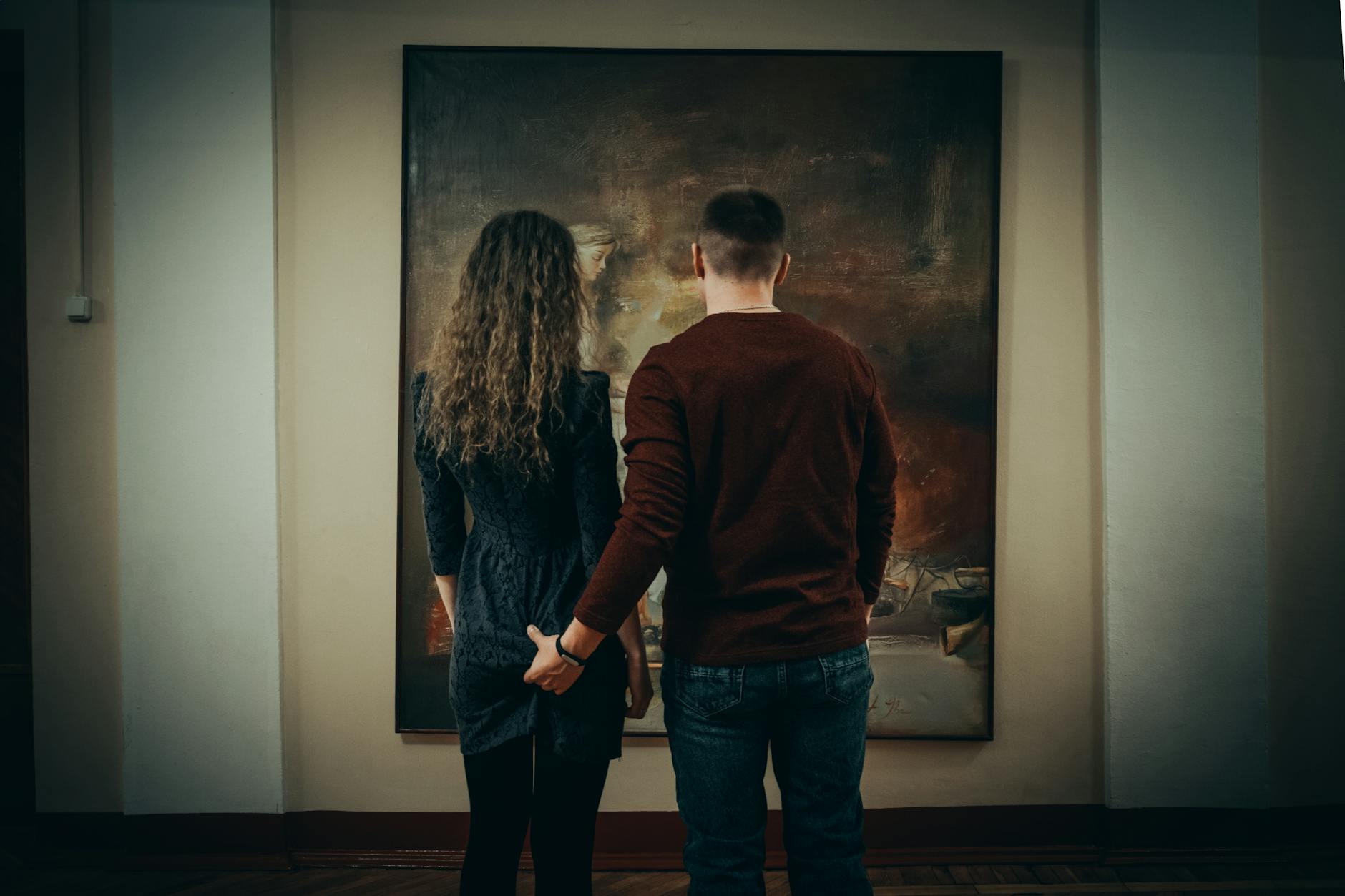
The gallery setting solves dating’s biggest challenge: starting meaningful conversations. Rather than relying on tired pickup lines or awkward small talk, participants naturally discuss the surrounding artwork, creating deeper connections than typical bar encounters.
“Talking about a painting reveals so much about someone’s personality, values, and emotional intelligence,” explains Dr. Rachel Morrison, a relationship psychologist who has studied the gallery dating phenomenon. “Art acts as a projective test – people reveal themselves through their interpretations.”
Participants consistently report higher-quality conversations compared to app-based dating or bar meetups. The cultural setting attracts educated, professionally established individuals seeking serious relationships rather than casual encounters. Gallery owners note that their events tend to draw ages 28-45, with participants working in creative industries, tech, finance, and healthcare.
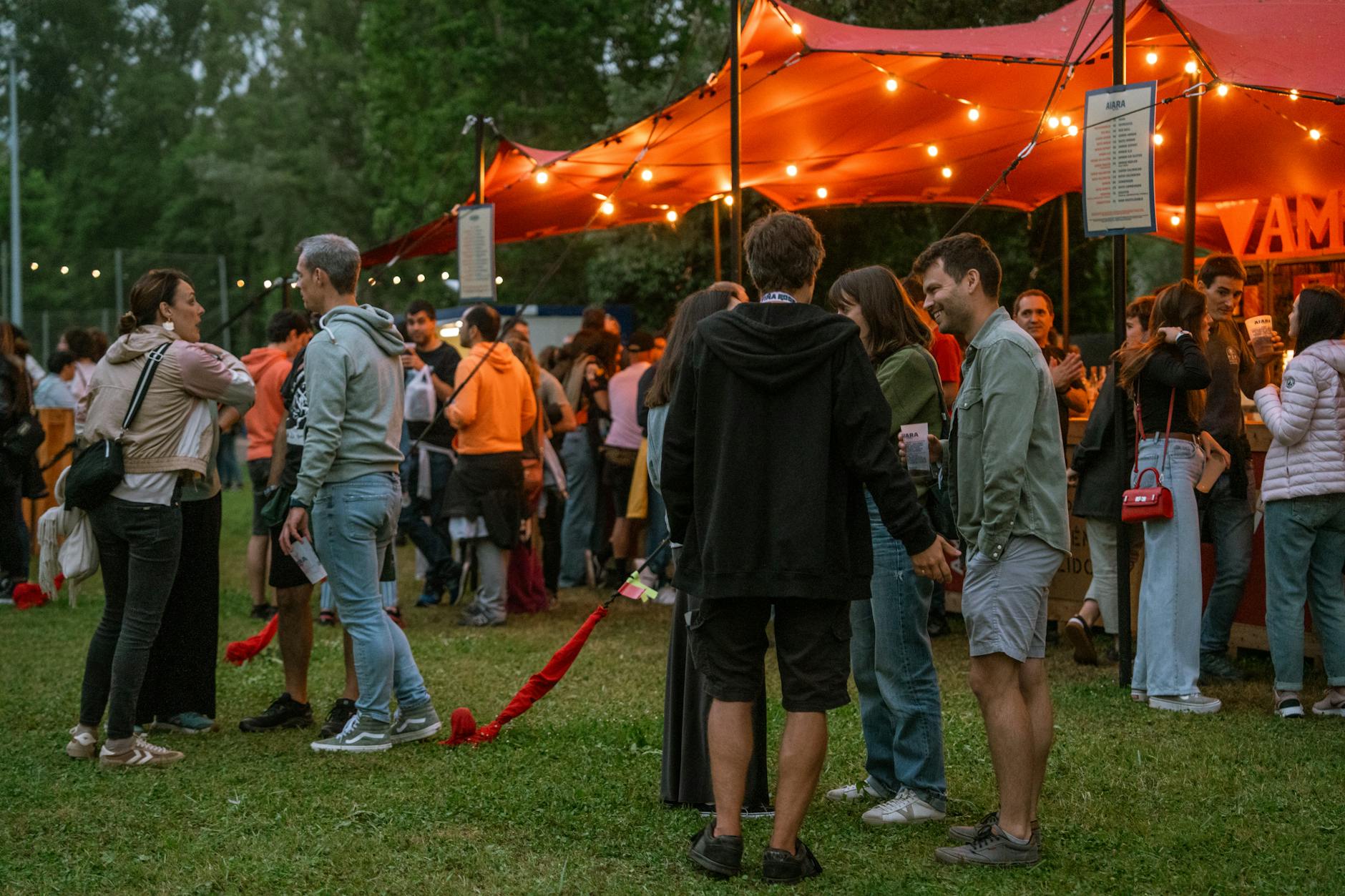
The format varies by venue, but most follow a structured rotation where couples spend 5-7 minutes discussing specific artworks before moving to the next station. Some galleries assign conversation prompts related to pieces, while others let organic discussions develop. The Warehouse Gallery in Denver creates themed nights around different artistic movements, with participants exploring how Impressionist or Contemporary works reflect their own worldviews.
Building Community Beyond Romance
The unexpected success extends beyond matchmaking into community building. Many participants attend regularly even after finding relationships, bringing friends and treating the events as sophisticated social gatherings. This repeat attendance creates a sustainable customer base that traditional galleries struggle to maintain.
“It’s become like our neighborhood salon,” says Jennifer Park, who met her boyfriend at a gallery speed dating event six months ago but continues attending with friends. “The conversations are interesting, the art is always changing, and you meet people you’d never encounter otherwise.”
Gallery owners report that these events have attracted younger, more diverse audiences than their typical clientele. The social media appeal of combining art with dating draws Instagram-savvy millennials who share their experiences online, creating organic marketing that galleries couldn’t afford through traditional advertising.
Similar to how museum late-night events are drawing younger diverse crowds, galleries are discovering that unconventional programming breaks down perceived barriers to art appreciation. Participants who initially attend for dating often develop genuine interest in collecting, with many making their first art purchases within months of their initial visit.
The Ripple Effect Across Creative Industries
The success has inspired variations across the creative sector. Bookstores now host “Literature & Love” events where singles discuss favorite novels, while music venues offer “Vinyl & Values” nights combining record listening with speed dating. The trend reflects broader changes in how cultural institutions adapt to survive in an increasingly digital world.
Critics argue that commercializing romantic connections cheapens both art appreciation and authentic relationship building. Some traditionalists worry that galleries are abandoning their educational mission in favor of entertainment. However, early data suggests the opposite effect – many participants develop lasting interest in art after their initial dating-motivated visits.
The model shows particular promise for emerging artists seeking exposure. Galleries can feature different artists each month, ensuring fresh conversation topics while providing creators with engaged audiences. Several participating artists report direct sales to speed dating attendees who remembered discussing their work during the event.
As independent galleries continue facing economic pressures, the speed dating phenomenon demonstrates how creative programming can transform struggling cultural institutions into thriving community hubs. The waiting lists keep growing, suggesting this trend will expand far beyond its current concentrated markets into smaller cities and suburban areas where art galleries have traditionally struggled to find audiences.
Frequently Asked Questions
How much do gallery speed dating events typically cost?
Most events charge between $35-65 per person, generating immediate revenue for galleries while participants browse artwork during breaks.
What age groups attend gallery speed dating events?
Events primarily attract ages 28-45, with participants working in creative industries, tech, finance, and healthcare seeking serious relationships.