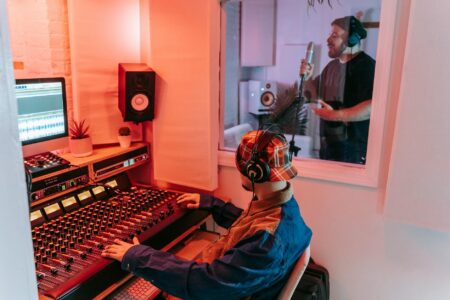





The Paris Review launched its first podcast series in 2023. By early 2024, they announced something unprecedented: their quarterly print magazine would become podcast-exclusive by 2025. What started as supplementary content has become the primary format, signaling a seismic shift in how literary magazines reach readers.
This isn’t an isolated decision. Granta, The Missouri Review, and smaller publications like Electric Literature’s “Recommended Reading” have all pivoted toward audio-first publishing models. The change reflects broader consumption patterns – Americans now spend more time listening to podcasts than reading magazines, according to Edison Research data from 2023.
The transformation challenges everything we thought we knew about literary publishing. For decades, these magazines served as gatekeepers of emerging talent, launching careers through carefully curated print issues. Now they’re betting that intimate audio storytelling can do the same thing, but better.
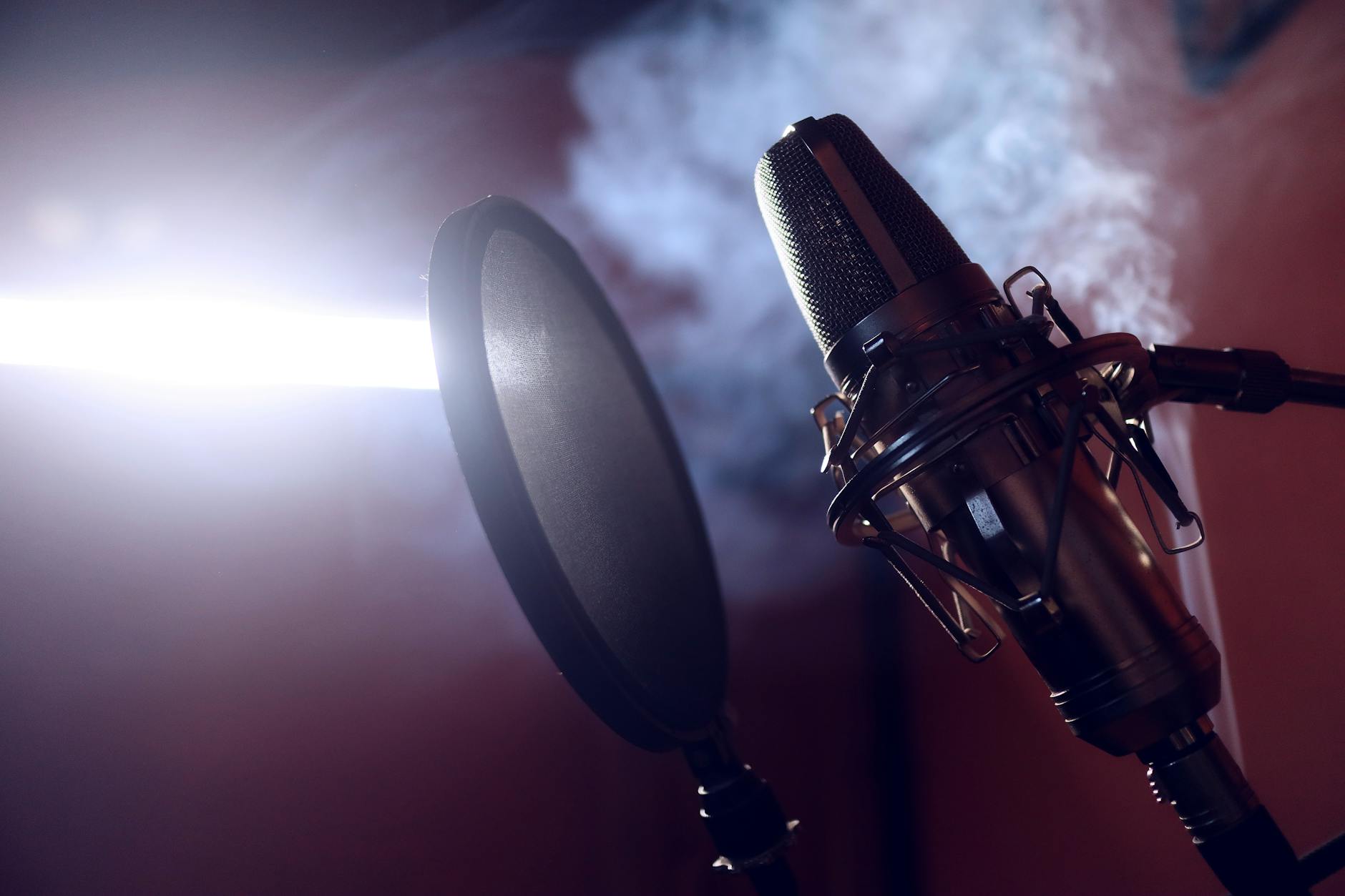
The Economics Behind the Audio Shift
Print literary magazines have always operated on razor-thin margins. The Paris Review, despite its prestigious reputation, reportedly had circulation numbers below 20,000 for its print edition. Production costs for high-quality paper, printing, and distribution often exceeded subscription revenue by significant amounts.
Podcasts eliminate most of these expenses. No printing costs, no shipping, no returns from bookstores. Distribution happens through existing platforms like Spotify, Apple Podcasts, and Google Podcasts at minimal cost. The Missouri Review’s editor Speer Morgan told Publishers Weekly that their podcast production costs roughly one-tenth of their previous print budget.
Revenue models have shifted accordingly. Instead of relying solely on subscriptions and grants, literary podcast magazines can tap into advertising revenue. Spotify’s ad marketplace, podcast sponsorship networks, and direct advertiser relationships offer new income streams that print magazines couldn’t access.
Granta’s podcast-first approach includes premium subscriber tiers offering early access to episodes, exclusive author interviews, and digital manuscripts. Their subscription numbers reportedly doubled within six months of launching the audio format, though specific figures remain undisclosed.
The National Endowment for the Arts has also adapted, creating new grant categories specifically for literary audio content. This institutional support legitimizes the format shift and provides crucial funding for emerging audio-focused literary magazines.
How Authors Are Adapting to Audio-First Literary Culture
Writers accustomed to crafting text for the page face new challenges when writing for the ear. Sentence structure, rhythm, and pacing become paramount. What reads beautifully in print might sound clunky when spoken aloud.
Electric Literature now requires submissions to include audio recordings of authors reading their own work. This screening process ensures pieces translate well to podcast format. Some writers have discovered unexpected strengths in audio – dialogue-heavy pieces and stream-of-consciousness narratives often work better as spoken word than printed text.
The submission process itself has evolved. Traditional literary magazines received thousands of text submissions quarterly. Podcast-format magazines often request different materials: audio samples, reading performances, even collaborative pieces designed for multiple voices.
Romance authors have already proven that audio engagement can build stronger reader relationships than traditional publishing. Literary authors are following suit, using podcast appearances to develop personal connections with audiences in ways print publication never allowed.
Some established writers have embraced the change enthusiastically. George Saunders appeared on three different literary podcasts in 2024, reading new short stories before they appeared in any print format. His audio-first approach reportedly increased sales of his existing books by measurable amounts, though specific numbers weren’t disclosed.
The Reading Experience Revolution
Listening to literature creates fundamentally different experiences than reading text. Audio adds layers of interpretation through the reader’s voice, pace, and emphasis that text alone cannot provide. When authors read their own work, audiences hear intended inflections, pauses, and emotional weight that might be missed in silent reading.
Literary podcasts also incorporate elements impossible in print: ambient soundscapes, multiple reader voices for different characters, and musical interludes between sections. The Paris Review’s podcast episodes feature subtle background sounds that complement story themes – ocean waves for maritime fiction, city noise for urban narratives.
This enhanced production appeals particularly to younger audiences. Edison Research found that 67% of podcast listeners are under 45, compared to literary magazine readers who skew older. Podcast-format literary magazines are reaching demographics that traditional publications struggled to attract.
The consumption patterns differ significantly. Print literary magazines were typically read over several sessions, stored on coffee tables or bookshelves, referenced later. Podcast episodes are consumed in single sessions during commutes, workouts, or daily routines. This changes how writers structure narratives and how editors curate content.
Some readers express concern about losing the tactile experience of print literature. The ability to flip pages, underline passages, or display issues on shelves represents irreplaceable aspects of literary culture. However, podcast platforms now offer features like bookmarking favorite moments, creating playlists of preferred episodes, and sharing specific timestamps with friends.
Technical Innovation in Literary Audio
Modern podcast production tools have made professional-quality literary audio accessible to small magazines with limited budgets. Software like Hindenburg Pro and Adobe Audition provides sophisticated editing capabilities previously available only to radio stations and major media companies.
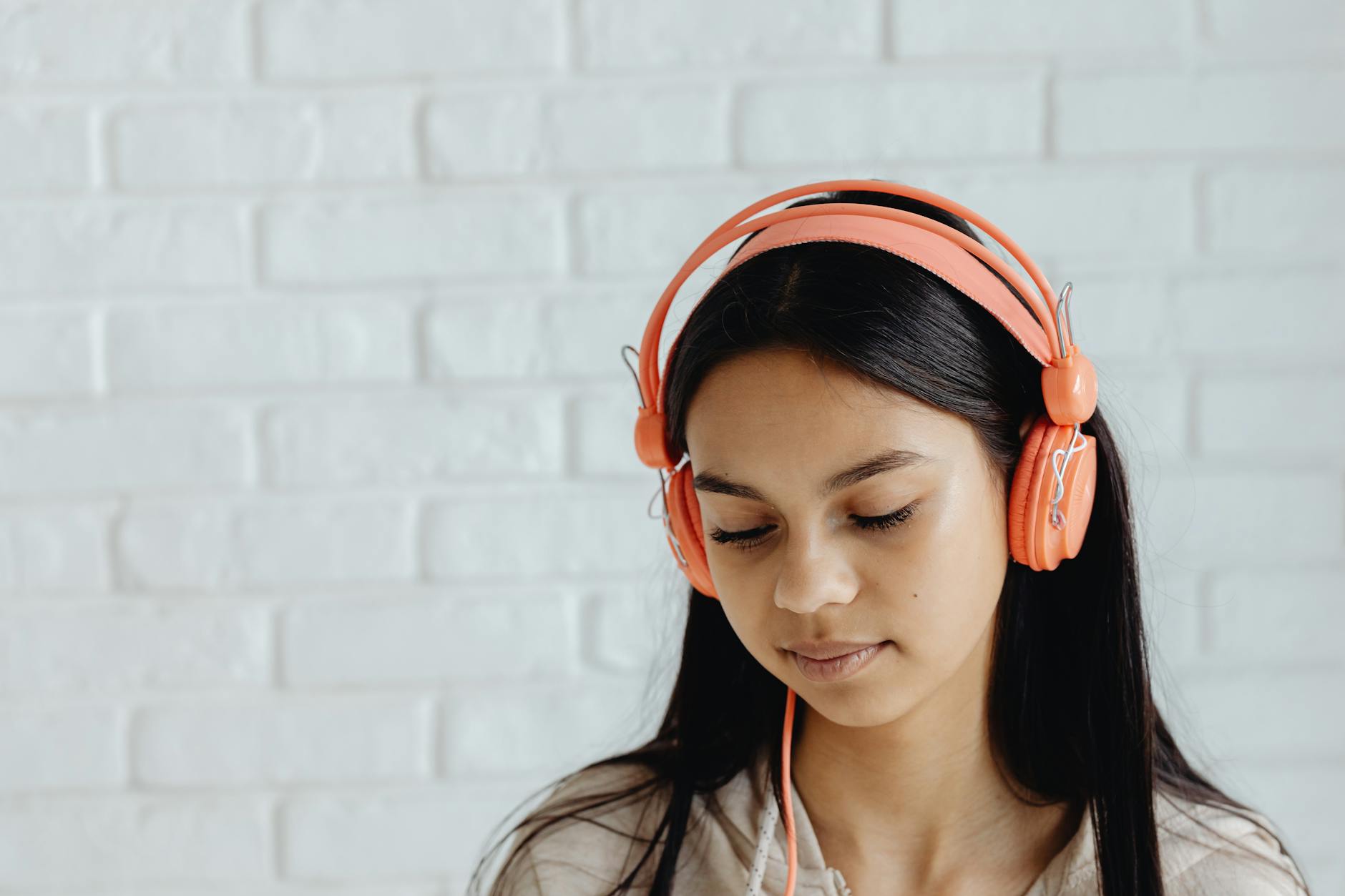
Some literary podcasts experiment with binaural recording techniques, creating immersive three-dimensional soundscapes. Listeners wearing headphones experience stories with spatial depth – voices moving left to right, sounds approaching from behind, environmental details creating atmospheric presence.
AI voice synthesis technology has also entered literary publishing, though controversially. Several smaller magazines have experimented with AI narration for international authors whose English pronunciation might distract from their stories. However, most established publications still prioritize human narrators, viewing voice performance as integral to literary expression.
Accessibility features have improved significantly. Automated transcription services provide text versions for deaf and hard-of-hearing audiences. Variable playback speeds accommodate different listening preferences. Some platforms offer real-time translation, potentially expanding literary magazines’ international reach.
The Future of Literary Publishing
The podcast-first trend appears sustainable and growing. Advertising revenue in podcast markets increased 25% in 2024, creating more financial opportunities for literary audio content. Major publishers are investing in audio divisions, and literary agents increasingly represent podcast concepts alongside traditional book manuscripts.
This shift connects to broader changes in content consumption. Streaming platforms are prioritizing audio-visual storytelling across entertainment categories, and literary podcasts fit naturally into this landscape.
Educational institutions are also adapting. Several MFA programs now offer courses in literary audio production, training the next generation of writers and editors for podcast-first publishing. This academic integration suggests the format change represents permanent industry evolution rather than temporary experimentation.
The transformation doesn’t necessarily mean print’s complete disappearance. Some magazines are adopting hybrid models – podcast episodes featuring excerpts from longer pieces available as digital downloads or limited-edition print runs for collectors. This approach maximizes reach while preserving print culture for enthusiasts who value physical literary objects.
As literary magazines continue embracing podcast formats, they’re not just changing distribution methods – they’re reshaping how stories are told, experienced, and preserved. The intimate nature of audio storytelling may prove more powerful than print ever was, creating deeper connections between writers and audiences than traditional publishing allowed.
Frequently Asked Questions
Why are literary magazines switching to podcast formats?
Lower production costs, new revenue streams through advertising, and ability to reach younger audiences who prefer audio content over print.
How do podcast literary magazines make money?
Through advertising revenue, premium subscriptions, sponsorships, and grants specifically designed for audio literary content.