




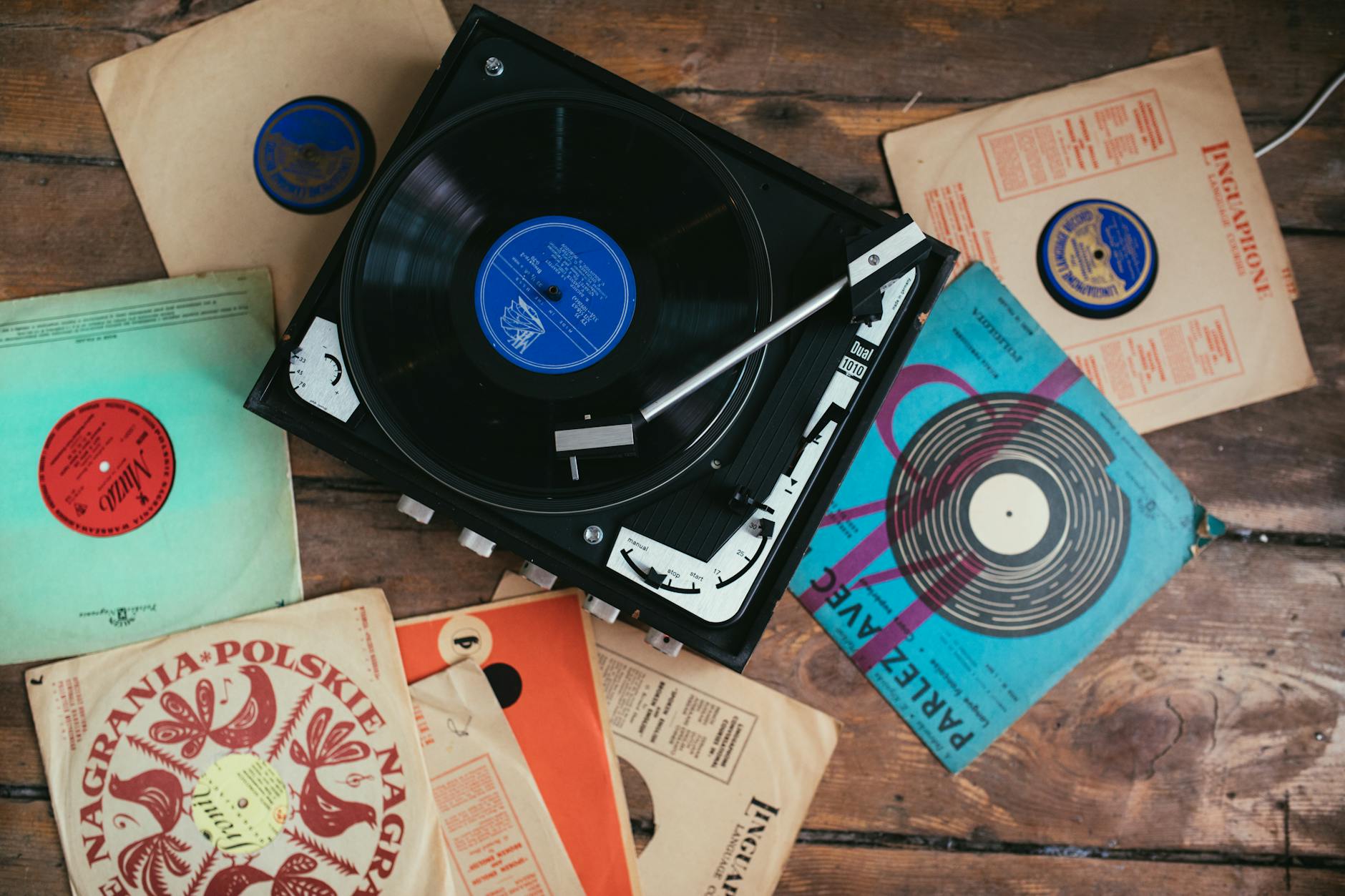
The vinyl crackles to life as indie folk duo Luna Moths sets up their acoustic guitars between towering shelves of records at Earworm Records in Portland. What started as a desperate search for affordable performance spaces has transformed into something unexpected: intimate concerts that sell out faster than arena shows, creating a new model for how emerging artists connect with audiences.
Record shops across the country are witnessing a remarkable shift. Store owners who once struggled to keep their businesses afloat are now booking live performances three nights a week, turning their retail spaces into hybrid venues that blur the lines between commerce and culture. This trend reflects broader changes in how independent artists navigate an industry where traditional venues remain expensive and often inaccessible.
The Economics of Intimate Performance
The financial reality driving this movement is straightforward: emerging artists need affordable spaces to perform, and record shop owners need additional revenue streams. Traditional music venues typically charge rental fees ranging from several hundred to thousands of dollars per night, making them prohibitive for artists without major label backing or established fan bases.
Record shops offer a different model entirely. Many operate on revenue-sharing agreements where artists keep a percentage of ticket sales while the shop benefits from increased foot traffic and merchandise sales. Rough Trade NYC, one of the pioneers in this space, reports that in-store performances boost record sales by an average of 40% on event nights, with customers often purchasing albums from both the performing artist and other acts they discover while browsing.
The intimate setting also allows for higher ticket prices relative to capacity. While a 200-person club might charge $15 for an unknown act, record shops with 40-person capacities can command $25-30 per ticket because of the exclusive, personal experience they offer. Artists like Phoebe Bridgers and Car Seat Headrest built early followings through such intimate performances before graduating to larger venues.
Store owners have adapted their spaces creatively to accommodate performances. Many remove listening stations or rearrange displays to create performance areas, while others have invested in portable PA systems and basic lighting. The key is maintaining the authentic record shop atmosphere that makes these shows feel special rather than trying to replicate traditional concert venues.
Building Communities Through Vinyl and Music
Beyond economics, these performances are fostering genuine music communities in ways that larger venues cannot match. Record shop concerts create environments where audience members frequently discover new artists through pre-show browsing, leading to organic conversations about music between strangers united by their love of physical media.
Amoeba Music locations in California have documented this phenomenon through customer surveys, finding that 78% of concert attendees make additional purchases during their visit, often exploring genres they hadn’t considered before. The physical presence of thousands of albums serves as a visual conversation starter, with many audience members bonding over shared discoveries or recommending albums to fellow concertgoers.
These intimate settings also benefit artists in unique ways. Without barriers between performer and audience, musicians receive immediate feedback and can gauge audience reactions to new material more effectively than in traditional venues. Many artists report that record shop audiences are more attentive and engaged, creating better performance conditions for acoustic or experimental music that might get lost in larger, louder venues.
The community aspect extends beyond individual shows. Regular attendees often become familiar faces, creating a sense of belonging that streaming services and large concerts cannot replicate. Some shops have developed loyalty programs where frequent concert attendees receive discounts on records or early access to tickets for popular shows.
Digital Discovery Meets Physical Experience
Paradoxically, this analog trend is being amplified by digital tools. Instagram and TikTok have become essential promotion platforms for record shop concerts, with artists and venues sharing behind-the-scenes content that emphasizes the intimate, authentic nature of these performances. Short videos of soundchecks among vinyl stacks or audience members discovering new albums have proven particularly effective at attracting younger demographics.
Many record shops have also embraced streaming technology to extend their reach beyond physical attendance. Rough Trade regularly streams select in-store performances on their social media channels, creating virtual audiences that often translate into online record sales and future concert attendance. This hybrid approach allows shops to maintain their intimate in-person experience while building broader awareness of their events.
The trend has caught the attention of established artists as well. Musicians like Julien Baker and Japanese Breakfast have returned to record shop performances even after achieving mainstream success, viewing them as opportunities to connect with core fans and test new material in supportive environments. These appearances generate significant buzz and often sell out within minutes of announcement.
Record labels have begun to take notice, with several independent labels now specifically booking record shop tours for their new signings. This approach allows labels to showcase artists in settings that align with the authentic, community-focused image many indie acts cultivate, while also supporting the independent retail ecosystem that remains crucial for physical music sales.
Challenges and Creative Solutions
The growth of record shop concerts hasn’t been without obstacles. Noise ordinances designed for retail spaces often conflict with live music requirements, forcing many shops to navigate complex permitting processes or limit their programming to acoustic performances. Some cities have proven more accommodating than others, with places like Nashville and Austin actively supporting these hybrid venues through streamlined licensing processes.
Space limitations present ongoing challenges as well. Popular shows can create overcrowding issues, and shops must balance the desire to accommodate more fans with fire safety regulations and the need to maintain their retail operations. Some stores have addressed this by implementing reservation systems or partnering with neighboring businesses to handle overflow crowds.
Insurance and liability concerns have also required creative solutions. Many record shops have had to adjust their coverage to account for live performances, while others have formed cooperatives to share costs and resources. The Record Store Day organization has begun offering guidance and resources to help shops navigate these logistical challenges.
Despite these hurdles, the trend continues expanding. Similar to how film critics are moving to YouTube instead of publications, artists and venue owners are finding new ways to bypass traditional industry gatekeepers and create direct connections with audiences.
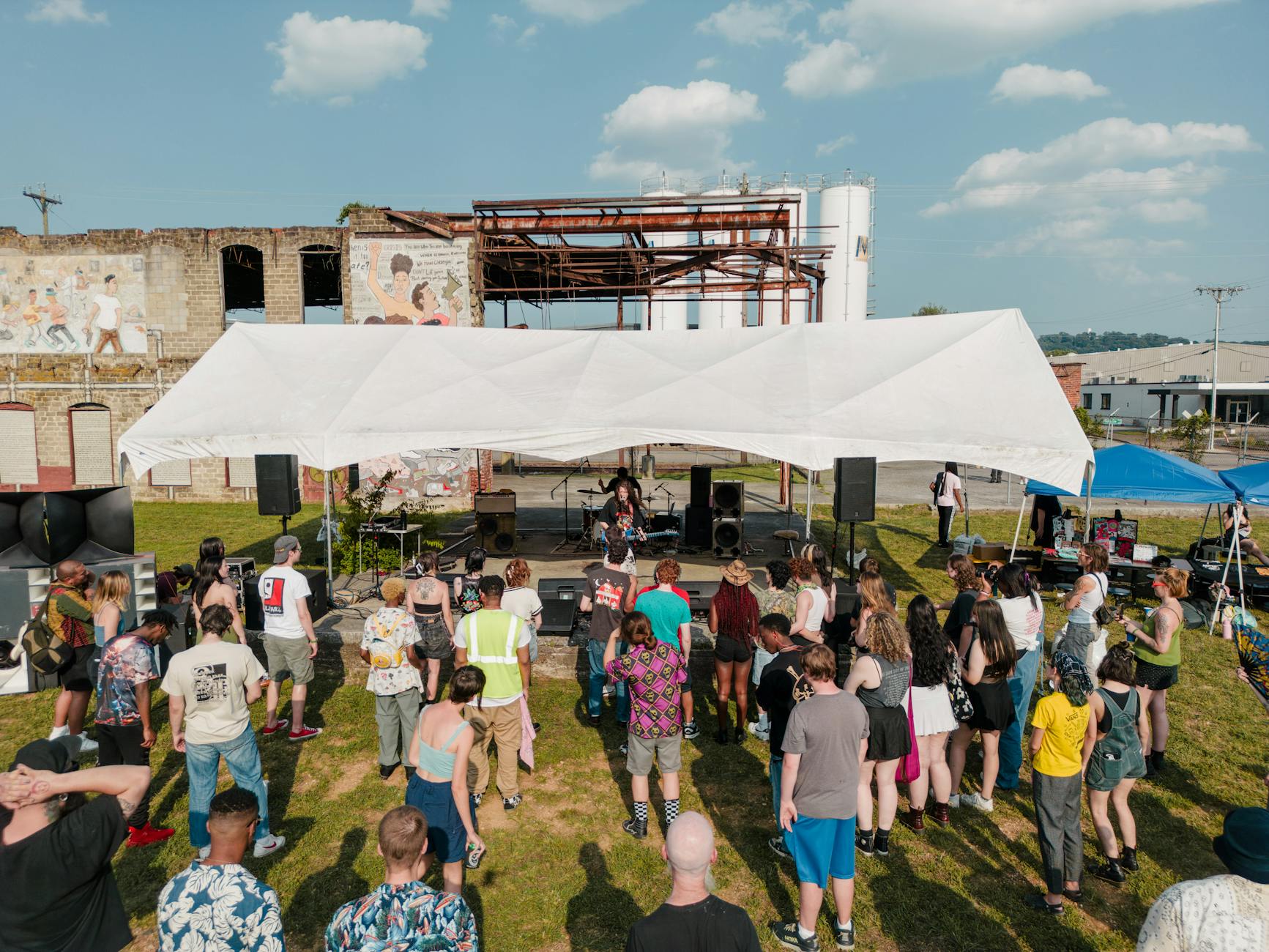
The transformation of record shops into concert venues represents more than a business trend; it signals a fundamental shift toward more intimate, community-centered music experiences. As streaming services continue to dominate music consumption, these physical spaces offer something algorithms cannot: genuine human connection through shared musical discovery. The success of this model suggests that the future of live music may be smaller, more personal, and more integrated into our daily lives than ever before.
Frequently Asked Questions
Why are record shops hosting concerts?
Record shops need additional revenue streams while emerging artists need affordable performance spaces, creating a mutually beneficial arrangement.
How much do record shop concerts typically cost?
Tickets usually range from $25-30 due to the intimate setting and exclusive experience, higher than traditional venues relative to capacity.