





The lights dim, the audience hushes, and magic happens in a small black box theater. After years of struggling to fill seats, local theater companies across America are experiencing something unprecedented: sold-out shows, waiting lists, and audiences that span generations. Community theaters that once considered 50% capacity a success are now turning people away at the door.
The shift represents a dramatic reversal from just five years ago, when many community theaters worried about survival. Rising costs, competition from streaming services, and declining arts education in schools seemed to spell doom for grassroots theater. Instead, these intimate venues have become cultural hotspots, drawing crowds that rival major touring productions.

The Digital Fatigue Factor
Screen exhaustion drives much of this theatrical renaissance. After spending unprecedented hours on devices during the pandemic, audiences crave authentic human connection. Local theater delivers something Netflix cannot: live performers, genuine emotion, and the electricity of shared experience.
“People are hungry for real stories told by real people in the same room,” says Sarah Martinez, artistic director of Portland’s Pocket Theater, which has seen attendance double since 2021. “There’s an intimacy in community theater that you can’t replicate on screen.”
The phenomenon extends beyond simple nostalgia. Younger audiences, particularly those aged 25-40, represent the fastest-growing demographic at community theaters. These viewers, raised on digital entertainment, find themselves drawn to the unpredictability of live performance. When an actor forgets a line or a prop malfunctions, the audience becomes part of the story.
Regional theaters report similar trends. The Riverside Theatre in Minneapolis has extended runs for three consecutive seasons due to demand. The 180-seat venue now maintains waiting lists for popular productions, something artistic director James Chen calls “unthinkable” just five years ago.
Affordability in an Expensive Entertainment Landscape
Economic factors play a crucial role in theater’s resurgence. As concert tickets reach triple digits and professional sports become luxury experiences, community theater offers premium entertainment at accessible prices. Most local productions charge between $15-35 per ticket, making a night out affordable for families and young adults.
The value proposition extends beyond price. Community theaters typically offer more adventurous programming than commercial venues. Audiences can experience cutting-edge plays, experimental works, and reimagined classics without the financial risk of expensive tickets. This freedom allows theaters to take creative chances that larger venues cannot afford.
Food and beverage policies add appeal. Many community theaters allow outside food or offer concessions at reasonable prices. The relaxed atmosphere contrasts sharply with the rigid rules and premium pricing at major entertainment venues.

Social Media’s Unexpected Role
Instagram and TikTok, initially viewed as threats to live theater, have become powerful promotional tools. Community theaters leverage social media to showcase behind-the-scenes content, cast interviews, and rehearsal footage. These glimpses into the creative process build audience investment before opening night.
User-generated content amplifies reach. Theatergoers share photos, video clips, and reviews, creating organic marketing campaigns that professional advertising cannot match. Hashtags like #CommunityTheater and #LocalArts generate thousands of posts, exposing productions to audiences beyond traditional marketing channels.
The documentary success story mirrors this trend, as audiences increasingly seek authentic, locally-produced content over mass-market entertainment. Documentary films outselling Hollywood blockbusters at festivals reflects the same desire for genuine storytelling that drives theater attendance.
Some theaters have embraced digital platforms strategically. Live-streaming select performances or offering virtual backstage tours maintains engagement between productions. However, the focus remains on in-person experiences, with digital elements serving as appetizers rather than main courses.
Community Connection in Fragmented Times
Local theater provides something increasingly rare: genuine community gathering spaces. Unlike movie theaters where audiences remain silent, community theater encourages interaction. Pre-show discussions, post-performance talkbacks, and lobby conversations create social bonds that extend beyond individual productions.
Many theaters have expanded their community role. Workshops, classes, and volunteer opportunities give residents active participation in cultural life. This involvement creates invested audiences who attend multiple productions and bring friends and family.
The timing parallels other cultural shifts toward local engagement. Cooking classes becoming popular date night options reflects similar desires for hands-on, community-based experiences that build real connections.
Regional pride drives attendance as well. Audiences take ownership of local theater success, viewing sold-out shows as community achievements. This emotional investment translates into consistent attendance and word-of-mouth promotion that traditional advertising cannot achieve.
Looking Ahead
The challenge now involves sustaining momentum. Community theaters must balance growth with the intimate atmosphere that attracts audiences. Expansion risks losing the personal connection that distinguishes local theater from commercial entertainment.
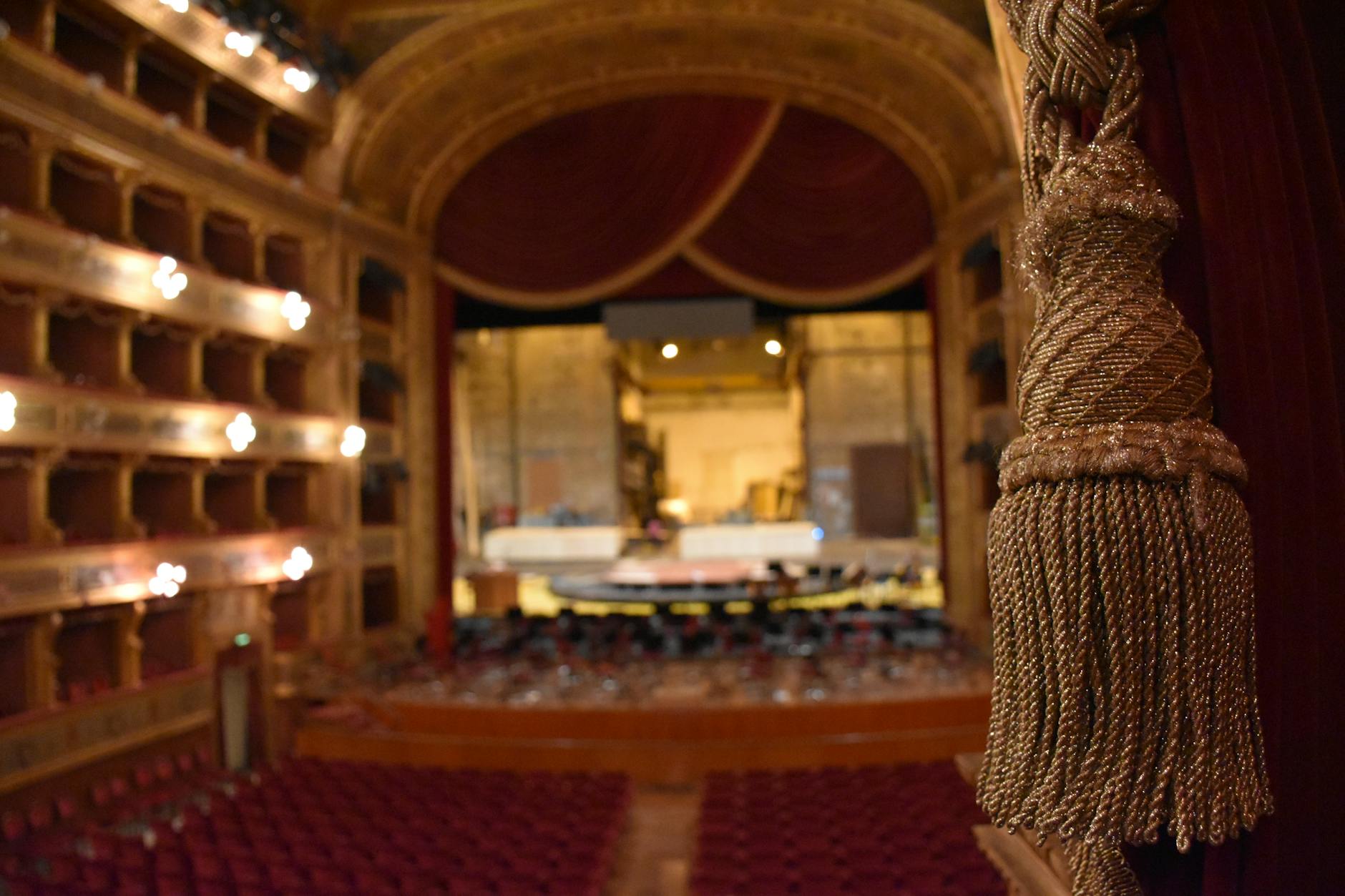
Smart theaters are investing in infrastructure while preserving character. Improved seating, better lighting, and enhanced sound systems elevate production quality without compromising intimacy. Some venues add second stages or extend seasons rather than increasing capacity.
Educational partnerships offer long-term sustainability. Collaborations with local schools, colleges, and community groups build future audiences while serving immediate programming needs. Youth programs introduce theater to digital natives, creating the next generation of committed theatergoers.
The current boom suggests community theater has found its niche in America’s entertainment ecosystem. As audiences seek authentic experiences and affordable culture, local theaters provide both. The intimate venue that once seemed outdated now feels perfectly suited to contemporary desires for connection and community. Whether this renaissance continues depends on theaters’ ability to evolve while maintaining the authentic spirit that drew audiences back in the first place.
Frequently Asked Questions
Why are local theaters suddenly more popular?
Audiences crave authentic live experiences after digital fatigue, plus affordable tickets make theater accessible when other entertainment costs have skyrocketed.
How much do community theater tickets typically cost?
Most local productions charge between $15-35 per ticket, significantly less than concerts, professional sports, or touring Broadway shows.