





The Metropolitan Museum of Art’s gift shop generates more revenue per square foot than many luxury retailers on Fifth Avenue. What started as an afterthought tucked near museum exits has transformed into carefully curated retail destinations that rival standalone boutiques.
Museum gift shops are shedding their reputation for overpriced postcards and generic souvenirs. Today’s museum stores feature exclusive collaborations with renowned designers, limited-edition art books, and merchandise that extends far beyond traditional tourist trinkets. The shift reflects museums’ need for diversified revenue streams and visitors’ desire for meaningful, culturally connected purchases.
This transformation mirrors broader cultural trends where authenticity and storytelling drive consumer behavior. Museums possess something most retailers lack: deep cultural narratives and exclusive access to iconic artworks and artifacts that can’t be replicated elsewhere.
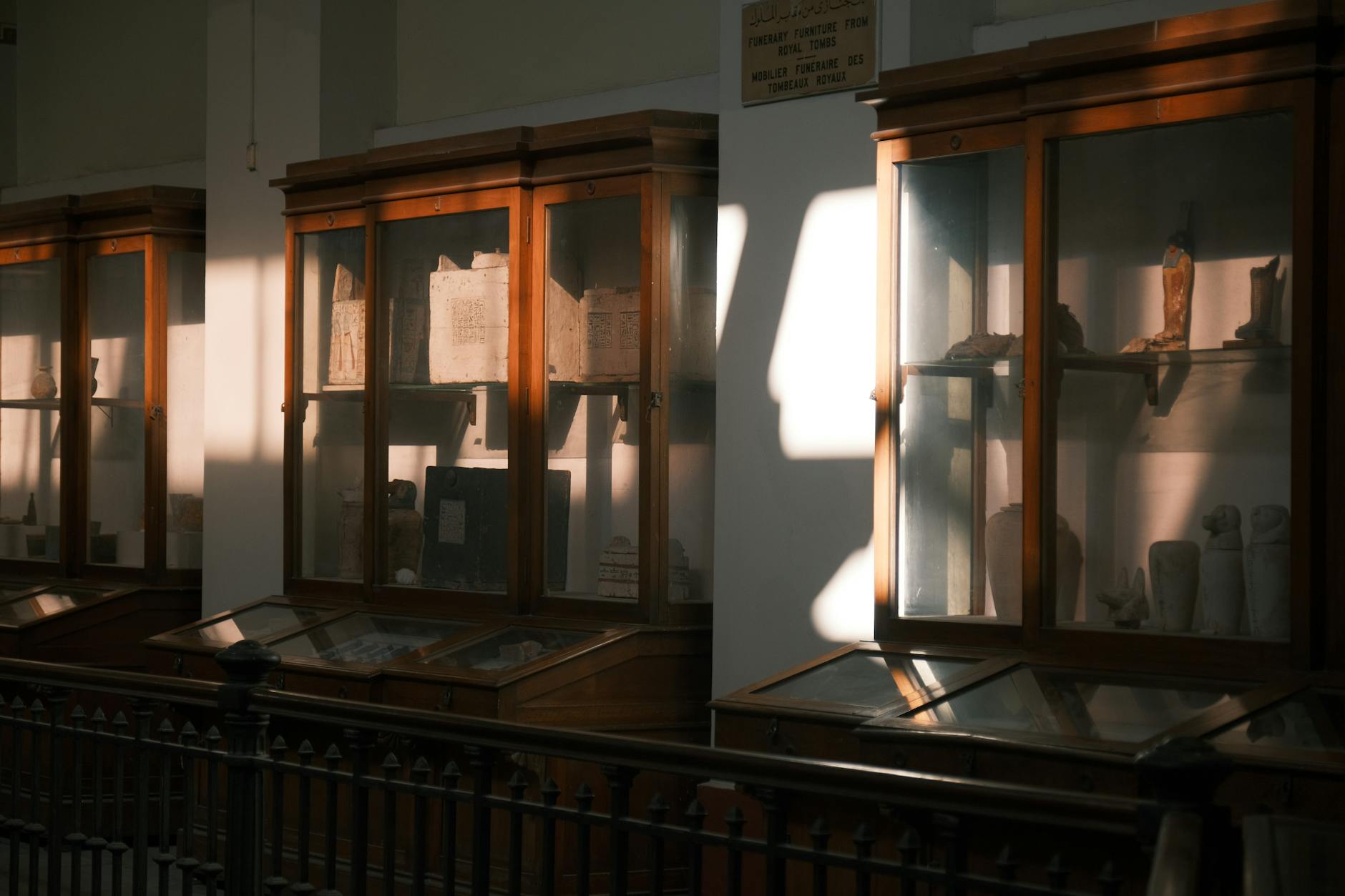
Designer Collaborations Transform Museum Retail
Major museums now partner with high-end designers and brands to create exclusive merchandise lines that command premium prices. The Museum of Modern Art collaborates with brands like Uniqlo and Muji for limited collections featuring iconic artworks from their permanent collection. These partnerships generate significant revenue while making art accessible to broader audiences.
The Victoria and Albert Museum in London has partnered with fashion houses and jewelry designers to create pieces inspired by their textile and decorative arts collections. Their collaborations often sell out within weeks, creating waitlists that drive repeat visits to the museum store.
The Louvre’s partnership with luxury brands for exclusive scarves, jewelry, and home goods has turned their gift shop into a destination for fashion-conscious tourists. Items featuring the Mona Lisa or classical sculptures are reimagined through contemporary design aesthetics, appealing to visitors who want sophisticated reminders of their cultural experiences.
These collaborations benefit both parties. Museums gain access to design expertise and manufacturing capabilities they lack in-house, while brands associate themselves with prestigious cultural institutions. The resulting products often become collectible items that appreciate in value over time.
Experiential Retail Meets Cultural Education
Modern museum shops function as extensions of exhibition spaces rather than separate retail areas. The Smithsonian’s Natural History Museum integrates interactive elements throughout their store, allowing visitors to examine minerals under microscopes or handle replica fossils while shopping for related educational materials.
Many museums now design their retail spaces to complement current exhibitions. When the Whitney Museum featured a major contemporary art exhibition, their shop transformed into a gallery-like space showcasing books, prints, and objects related to the featured artists. This approach extends the exhibition experience and encourages deeper engagement with the content.
The trend extends beyond traditional museums. Science centers and aquariums are creating immersive retail environments that blur the line between education and shopping. The California Academy of Sciences incorporates living plants and educational displays throughout their store, making the shopping experience feel like a continuation of the museum visit.
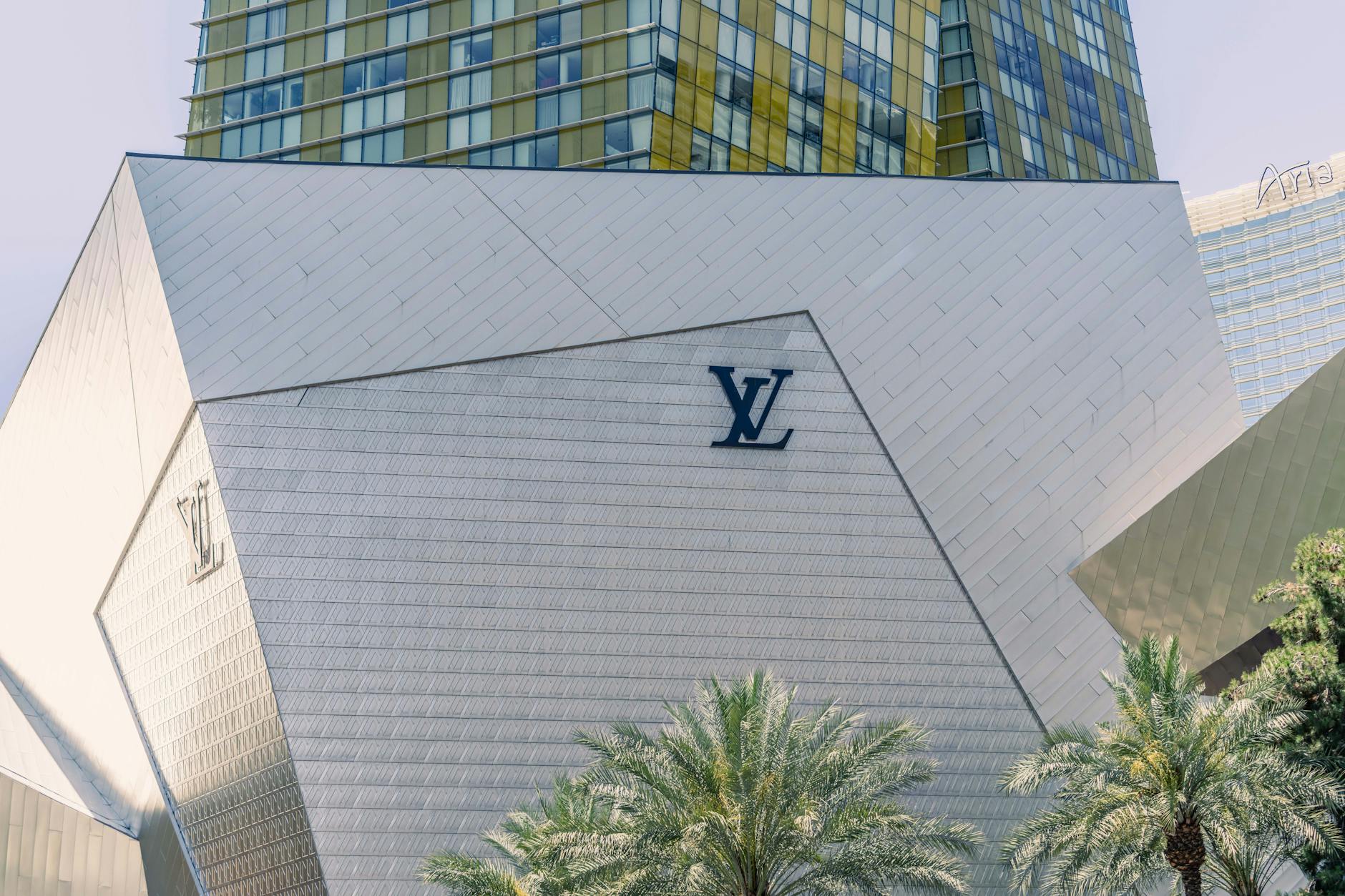
Museums are also expanding their retail footprint beyond physical locations. The British Museum operates standalone shops in major cities, bringing their curatorial expertise to retail districts where they compete directly with traditional luxury goods stores.
Digital Integration and Personalized Experiences
Technology is reshaping how museum shops operate and connect with visitors. QR codes throughout exhibitions link to related merchandise, allowing visitors to purchase items related to specific artworks or artifacts they found compelling. This immediate connection between curatorial content and retail opportunity increases purchase likelihood and customer satisfaction.
Augmented reality applications let shoppers visualize how art prints or decorative objects will look in their homes before purchasing. The Metropolitan Museum’s app allows users to see how reproduction furniture or decorative arts pieces would appear in their own spaces, reducing return rates and increasing customer confidence.
Personalization extends to custom services many museums now offer. The National Gallery in London provides bespoke framing services for their art prints, while the Guggenheim offers personalized art consultation services for collectors interested in contemporary pieces featured in their exhibitions.
Museum membership programs increasingly integrate retail benefits, offering exclusive access to limited-edition items, early shopping privileges for popular exhibitions, and discounts that make high-end merchandise more accessible. These programs create loyalty that extends beyond single visits, encouraging repeat engagement with both exhibitions and retail offerings.
Social media has transformed how museums market their retail offerings. Instagram-worthy products drive significant online sales, with museums carefully curating their merchandise photography to appeal to social media aesthetics. Limited-edition items often sell out based on social media buzz alone, creating artificial scarcity that drives demand.
The Economics of Cultural Commerce
Museum retail has become essential to institutional sustainability. Gift shop revenue often represents the largest source of earned income for museums, sometimes exceeding admission fees and memberships combined. This economic reality has elevated retail operations from afterthoughts to strategic priorities requiring professional retail expertise.
Museums are hiring experienced retail professionals rather than relying solely on curatorial staff to manage their stores. These professionals bring knowledge of inventory management, customer service, and retail psychology that maximizes revenue while maintaining the institution’s cultural mission.
The success of museum retail has inspired similar institutions to expand their commercial offerings. Local theater groups are seeing their biggest audiences in decades, and many are developing merchandise lines and retail partnerships modeled after museum strategies.
Online sales now represent a significant portion of museum retail revenue. The pandemic accelerated this shift, with many museums developing sophisticated e-commerce platforms that serve customers worldwide. Digital sales allow museums to reach audiences far beyond their physical locations, creating global communities of cultural consumers.
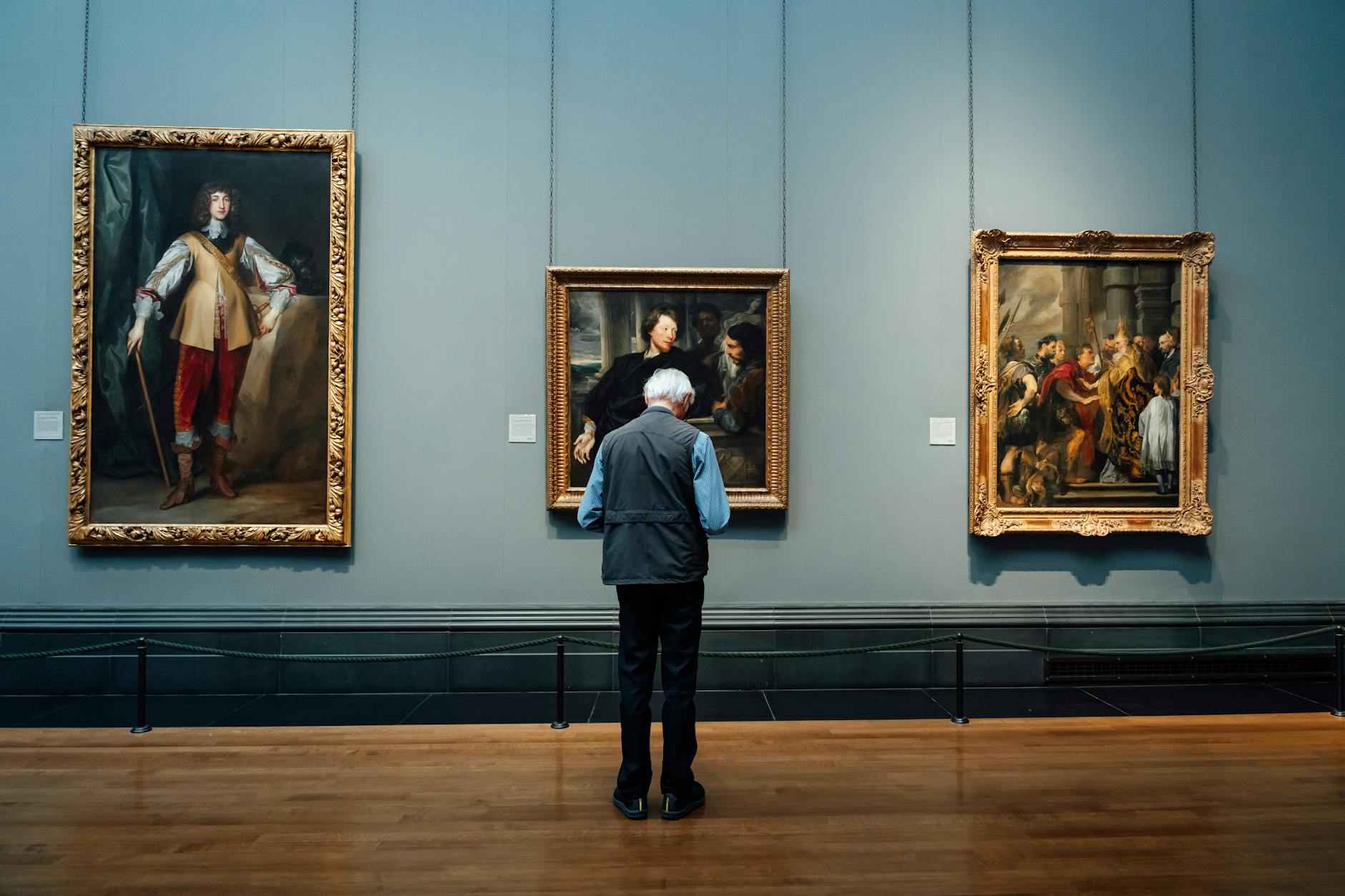
Museum gift shops are evolving into cultural retail destinations that compete with traditional luxury shopping experiences. As museums continue to innovate their retail strategies, we can expect even more sophisticated integrations of commerce, culture, and technology. The future museum store may become as compelling a reason to visit as the exhibitions themselves, creating new models for how cultural institutions engage with their audiences and sustain their missions through meaningful commercial relationships.
Frequently Asked Questions
Why are museum gift shops becoming more expensive?
Museums partner with luxury designers and create exclusive, limited-edition items that command premium prices while generating essential revenue for operations.
Do museum shops sell items online?
Yes, most major museums now operate sophisticated e-commerce platforms that serve customers worldwide, often representing significant portions of their retail revenue.