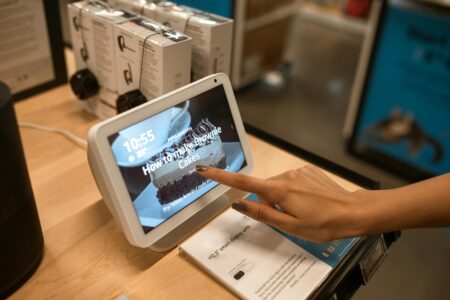





Your morning commute just got more international. The latest generation of noise-canceling earbuds now includes real-time translation capabilities, turning your daily audio devices into personal interpreters that work across dozens of languages.
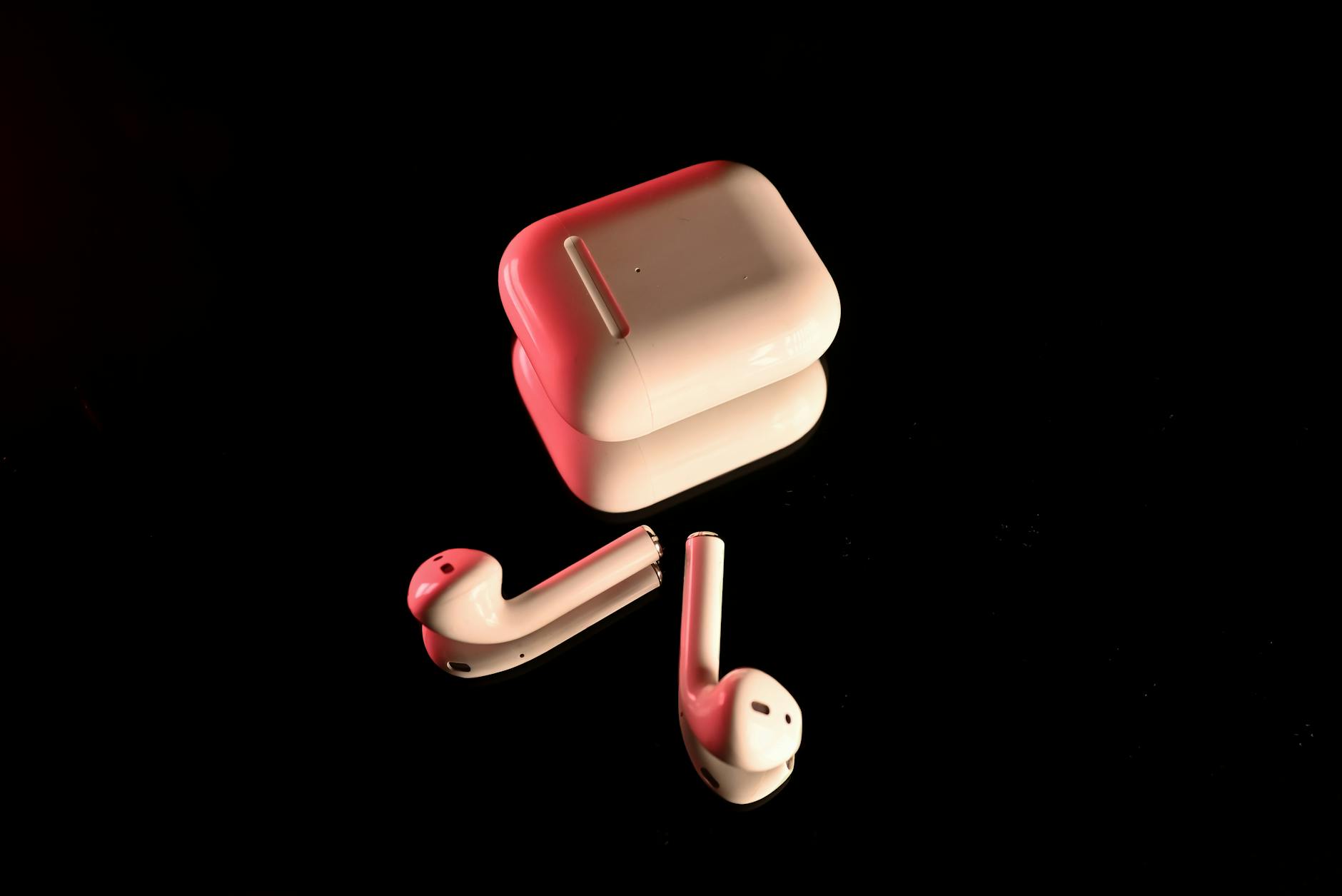
Major audio manufacturers are integrating AI-powered translation directly into their premium earbud models, eliminating the need for separate translation apps or devices. Sony, Apple, and Samsung have all announced or released earbuds that can translate conversations in real-time, with Google’s Pixel Buds leading the charge since their integration with Google Translate.
The technology works by capturing speech through the earbuds’ external microphones, processing the audio through cloud-based AI translation services, and delivering the translated text or audio directly to the user. What makes this particularly compelling is the seamless integration – users don’t need to fumble with their phones or pause conversations to activate translation features.
Breaking Down Language Barriers in Professional Settings
The business world drives much of the demand for translation-enabled earbuds. International meetings, conferences, and client calls increasingly rely on these devices to facilitate communication across language barriers. Unlike traditional translation services that require dedicated interpreters or clunky conference room equipment, earbuds provide discreet, personal translation that doesn’t interrupt the flow of conversation.
Microsoft Teams and Zoom have begun optimizing their platforms to work with translation-enabled earbuds, allowing participants to receive real-time translations during video calls. The integration extends beyond simple word-for-word translation – newer models attempt to preserve tone, context, and even cultural nuances in their interpretations.
Corporate adoption has been swift, particularly in multinational companies where employees regularly interact across language barriers. The convenience factor proves significant: rather than scheduling separate translation services or relying on multilingual colleagues, teams can communicate more naturally with translation happening in the background.
Technical accuracy continues improving as manufacturers refine their AI models. Current-generation earbuds handle conversational speech effectively, though they still struggle with heavy accents, rapid speech, or specialized technical terminology. The most reliable performance occurs with major language pairs like English-Spanish, English-Mandarin, and English-French.
Tourism and Travel Applications Drive Consumer Adoption
Travel represents the most obvious consumer application for translation earbuds, and manufacturers market heavily toward tourists and business travelers. The ability to navigate foreign cities, order food, ask for directions, or engage in casual conversations without language anxiety appeals to millions of travelers annually.
Current models support between 40 and 100 languages, depending on the manufacturer and specific model. Google’s Pixel Buds Pro leverage Google Translate’s extensive language database, while Apple’s AirPods Pro work with Siri’s translation capabilities across fewer but more accurately supported languages.

The tourism industry has begun accommodating translation-enabled devices, with some hotels, restaurants, and tour operators specifically advertising their compatibility with popular earbud translation features. Museums and cultural sites increasingly design their audio guides to work seamlessly with translation-capable earbuds, allowing visitors to receive information in their preferred language without carrying additional devices.
Battery life remains a practical consideration for travelers. Real-time translation requires constant connectivity and processing power, which can drain earbud batteries more quickly than standard music playback. Most manufacturers report 4-6 hours of translation use per charge, compared to 8-12 hours for regular audio playback.
Educational Integration and Language Learning Benefits
Educational institutions are exploring translation earbuds as learning aids, particularly for language immersion programs and international student support. Rather than replacing traditional language education, these devices serve as training wheels that help students engage with native speakers while building confidence and vocabulary.
The technology offers particular value for students studying abroad or participating in exchange programs. Instead of avoiding conversations due to language barriers, students can engage more freely knowing they have translation support available when needed. This increased interaction often accelerates language acquisition compared to classroom-only learning environments.
Some language learning apps have begun integrating with translation earbuds to create more immersive experiences. Duolingo and Babbel are developing features that use earbud translation capabilities to provide real-time feedback during conversation practice, bridging the gap between app-based learning and real-world application.
Teachers report mixed results when students use translation earbuds in classroom settings. While the devices help students follow lessons conducted in non-native languages, over-reliance can sometimes hinder natural language development. Educational best practices are still evolving as institutions determine appropriate integration guidelines.

Technical Challenges and Future Development
Despite rapid advancement, translation earbuds face several technical limitations that manufacturers are actively addressing. Latency remains the most significant challenge – even slight delays between speech and translation can disrupt natural conversation flow. Current models typically experience 1-3 second delays, which feels noticeable during rapid exchanges.
Accuracy varies dramatically based on language pairs, speaking clarity, and contextual complexity. Simple conversations about weather, directions, or food orders translate reliably, while discussions involving idioms, cultural references, or technical subjects often produce confusing or incorrect results. Regional accents and dialects present particular challenges that AI models are still learning to navigate.
Privacy concerns surrounding always-listening devices that process conversations through cloud services have prompted some manufacturers to develop on-device translation capabilities. Apple’s latest Neural Engine and Google’s Tensor chips can handle basic translation tasks locally, though cloud processing still provides superior accuracy for complex conversations.
The integration with other smart devices continues expanding, similar to how fitness trackers are adding mental health monitoring features beyond their original scope. Smart home systems, automotive interfaces, and workplace collaboration tools are beginning to support translation-enabled earbuds as input and output devices.
Future development focuses on improving contextual understanding, reducing latency, and expanding offline capabilities. Manufacturers are also working on better integration with augmented reality systems, where translated text could appear as visual overlays while users hear audio translations through their earbuds.
The translation earbud market represents a significant shift toward more accessible international communication. As accuracy improves and latency decreases, these devices may fundamentally change how people approach language barriers in both professional and personal contexts. The technology still requires refinement, but early adoption suggests strong demand for seamless, wearable translation solutions that work as naturally as listening to music.
Frequently Asked Questions
How accurate are translation earbuds for conversations?
Current models handle simple conversations well but struggle with heavy accents, rapid speech, and technical terminology.
Do translation earbuds work offline?
Most require internet connectivity, though some newer models offer basic offline translation for common language pairs.