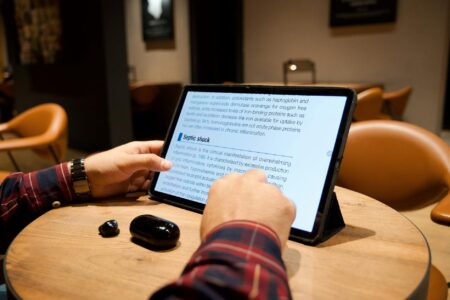





While digital media dominates nearly every entertainment sector, manga stands as a remarkable exception. Physical manga sales continue to outpace digital comics globally, defying predictions that print would become obsolete. In Japan alone, physical manga generated over 265 billion yen in 2022, while digital manga reached approximately 160 billion yen. This trend extends worldwide, with physical manga sales growing 171% in the United States between 2020 and 2022.
The phenomenon puzzles industry analysts who expected younger, tech-savvy readers to embrace digital formats. Instead, manga readers actively choose paper over pixels, driving a renaissance in bookstore manga sections and creating unprecedented demand for translated titles.
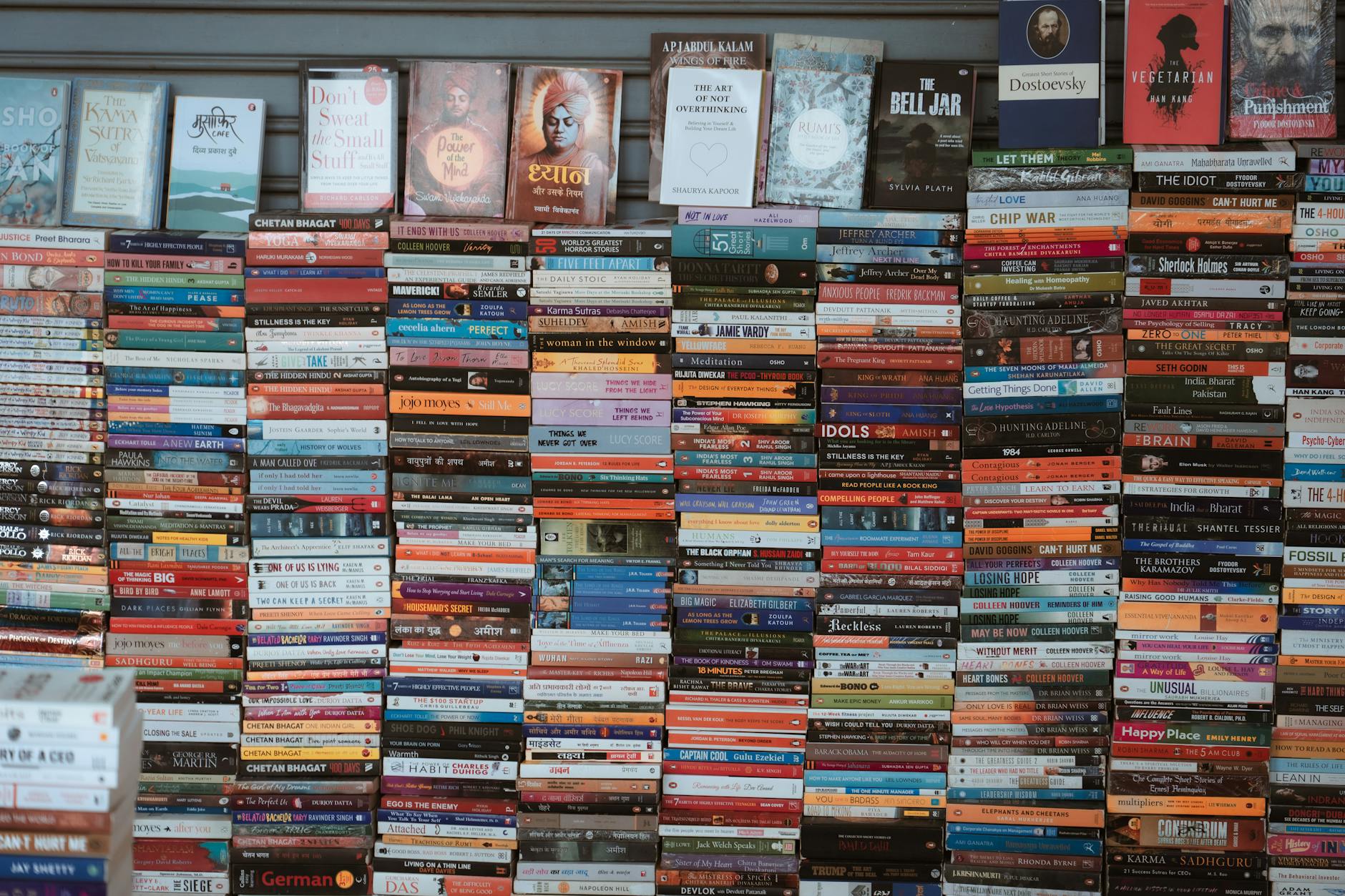
The Collectibility Factor Drives Physical Demand
Manga readers treat their collections as tangible investments in their favorite stories and characters. Unlike digital files that feel temporary, physical volumes create permanent libraries that readers can display, share, and revisit without subscription fees or platform dependencies.
The aesthetic appeal plays a crucial role. Japanese publishers invest heavily in cover art, special editions, and bonus materials that enhance the physical reading experience. Popular series like “Demon Slayer” and “Attack on Titan” release limited editions with exclusive artwork, reversible covers, and author interviews that digital versions cannot replicate.
Bookstore employees report that manga buyers frequently purchase entire series at once, treating each volume as part of a larger collection rather than individual purchases. This behavior contrasts sharply with digital comic readers who typically buy single issues or use subscription services.
The social aspect amplifies this trend. Manga readers enjoy lending volumes to friends, displaying collections in their homes, and participating in book swaps at conventions. These physical interactions create community bonds that digital ownership cannot match.
Reading Experience Preferences Shape Format Choice
The unique characteristics of manga storytelling favor physical formats. Japanese manga reads right-to-left, and many readers find this flow more natural on paper than on screens. The pacing of manga relies on page turns and double-page spreads that lose impact when viewed on small smartphone screens or require awkward scrolling on tablets.
Eye strain concerns influence reader choices, particularly among younger demographics who spend significant time on digital devices for school and work. Many manga enthusiasts report that reading physical books provides relief from constant screen exposure, making it a preferred leisure activity.
The artistic detail in modern manga demands high-resolution display. While digital platforms offer zoom capabilities, readers frequently complain that the experience feels fragmented compared to seeing full pages at optimal size in print format. Action sequences and detailed artwork suffer when compressed for digital viewing on various screen sizes.
Bathroom and bedtime reading habits also favor physical manga. Readers appreciate the convenience of not needing charged devices or dealing with blue light disruption before sleep. The portability of lightweight manga volumes makes them ideal for commuting and travel situations where device battery life or connectivity might be concerns.

Publishing Economics Support Physical Distribution
Publishers maintain higher profit margins on physical manga sales compared to digital distribution. Digital platforms typically take 30-50% commission on sales, while traditional book distribution channels offer publishers better revenue splits. This economic reality incentivizes publishers to prioritize physical releases and marketing.
The used book market creates additional value for physical manga. Readers can sell or trade completed series, effectively reducing their net cost per volume. This secondary market doesn’t exist for digital purchases, making physical manga more economically attractive to cost-conscious readers.
International licensing deals also favor physical distribution. Publishers can more easily control territorial rights and pricing for physical books, while digital distribution often requires complex negotiations with multiple platform providers across different regions.
Bookstore placement provides marketing value that digital platforms struggle to replicate. Physical manga displays in bookstores, libraries, and conventions expose new readers to series they might not discover through algorithm-driven digital recommendations. The browsing experience of physically examining cover art and reading sample pages influences purchasing decisions more effectively than online previews.
The trend mirrors broader patterns in publishing, where poetry collections are experiencing unprecedented sales growth, suggesting readers increasingly value physical books for specific genres and formats.
Global Market Dynamics Reinforce Physical Dominance
International manga distribution has improved dramatically in recent years. Publishers like Viz Media, Kodansha, and Seven Seas Entertainment have expanded their English-language catalogs while reducing time gaps between Japanese and international releases. This improvement reduces piracy incentives and channels reader enthusiasm toward legitimate physical purchases.
Bookstore chains worldwide have expanded their manga sections in response to demand. Barnes & Noble reports that manga now comprises a significant portion of their graphic novel sales, while independent bookstores use manga collections to attract younger customers. This increased retail presence creates a positive feedback loop where visibility drives sales.
The influence extends beyond traditional manga demographics. Adult readers who grew up with anime and manga are purchasing physical copies both for nostalgia and to share with their children. This multi-generational appeal broadens the market beyond typical comic book demographics.
Manga’s growing influence on streaming entertainment, including Netflix’s heavy investment in graphic novel adaptations, creates cross-media promotion that benefits physical sales. Viewers of anime adaptations frequently seek out source material in physical format, driving sales of both new releases and classic series.

Future Implications for Publishing Industry
The manga market’s resistance to digital disruption offers lessons for the broader publishing industry. Physical books provide experiential value that digital formats struggle to replicate, particularly for visual storytelling mediums and collectible content.
Publishers are applying manga strategies to other graphic novel categories, emphasizing production quality, special editions, and community-building around physical collections. This approach may extend to other book categories where readers value ownership and display aspects of their libraries.
The success of physical manga sales worldwide demonstrates that younger readers will choose print when the format enhances their reading experience and provides value beyond mere content consumption. As manga continues expanding into mainstream bookstores and libraries globally, physical format preference appears likely to persist, challenging assumptions about digital inevitability in publishing.
Frequently Asked Questions
Why do manga readers prefer physical books over digital?
Readers value collectibility, better reading experience, and the ability to share and display their manga collections physically.
Are physical manga sales actually growing globally?
Yes, physical manga sales grew 171% in the US between 2020-2022 and continue outpacing digital sales worldwide.