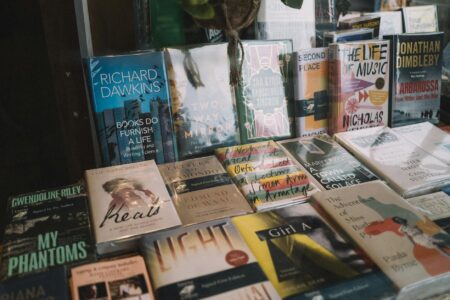





Poetry sales haven’t seen numbers like this since grunge ruled the airwaves and dial-up internet was cutting-edge technology. Major publishers report poetry collections are experiencing their strongest sales surge in over three decades, with some imprints seeing 400% increases compared to pre-pandemic levels. This renaissance isn’t happening in dusty bookshop corners-it’s exploding across social media platforms, streaming services, and celebrity endorsements.
The poetry boom represents more than nostalgia for simpler times. Publishers, booksellers, and industry analysts point to a perfect storm of cultural shifts that have transformed poetry from a niche literary category into mainstream entertainment. Young readers are driving the charge, treating poems like playlists and poets like pop stars.
Social Media Transforms Poetry into Viral Content
TikTok and Instagram have revolutionized how poetry reaches audiences. Poets like Rupi Kaur, who built her following through social media before traditional publishing, now sell millions of copies worldwide. Short-form video platforms favor poetry’s brevity, making it ideal for the attention spans of digital natives.
BookTok, the literary corner of TikTok, has created an ecosystem where young readers discover, discuss, and recommend poetry collections with the same enthusiasm previous generations reserved for hit songs. Videos featuring poetry readings regularly accumulate millions of views, with users sharing their favorite lines in comments sections that stretch for thousands of responses.
Publishers have taken notice. Major houses now scout social media for emerging poets, sometimes offering book deals based on follower counts and engagement rates rather than traditional literary credentials. This shift mirrors trends in other entertainment industries, where literary agents are now scouting TikTok comments for new talent across all genres.
Independent bookstores report poetry sections expanding from single shelves to entire displays. Chain bookstores have moved poetry collections from back corners to prominent front-of-store positions, treating them like bestselling fiction. The visual appeal of modern poetry books-with minimalist covers and Instagram-friendly layouts-makes them natural fits for social media sharing.
Mental Health Awareness Drives Demand
The timing of poetry’s resurgence aligns with increased openness about mental health, particularly among younger demographics. Poetry collections focusing on healing, self-discovery, and emotional processing have found massive audiences seeking literary tools for navigating anxiety, depression, and relationship challenges.
Therapeutic poetry has become a recognized subgenre, with mental health professionals recommending specific collections to clients. Bookstores now stock poetry in their wellness sections alongside meditation guides and self-help titles. This crossover appeal has introduced poetry to readers who might never have browsed traditional literary sections.
Publishers report that collections addressing themes of trauma recovery, body positivity, and personal growth consistently outperform traditional literary poetry. These books function as both art and self-help, offering readers permission to process difficult emotions through verse. The personal nature of contemporary poetry creates intimate connections between readers and poets, fostering loyal followings that translate into sustained sales.

Poetry workshops and reading events, both virtual and in-person, have multiplied exponentially. Bookstores host weekly poetry nights that pack venues with audiences ranging from teenagers to retirees. Online poetry communities provide platforms for emerging writers to share work and connect with established poets, creating pipelines from amateur enthusiasm to professional publishing.
Celebrity Endorsements and Mainstream Recognition
High-profile endorsements have elevated poetry’s cultural status significantly. When celebrities like Oprah Winfrey, Reese Witherspoon, and Emma Watson feature poetry collections in their book clubs and social media feeds, sales numbers spike immediately. This celebrity influence extends poetry’s reach beyond traditional literary circles into mainstream entertainment culture.
The phenomenon reflects broader trends where celebrity book clubs are outselling traditional publishing marketing strategies across all genres. Poetry benefits particularly from this approach because celebrity endorsements provide cultural validation for readers who might feel intimidated by traditional literary criticism or academic poetry analysis.
Television shows and streaming services have begun incorporating poetry into programming. Netflix documentaries about contemporary poets, poetry slam competitions on YouTube, and spoken word performances on late-night television have normalized poetry consumption as entertainment rather than homework. This mainstream visibility has removed barriers that previously made poetry seem exclusive or difficult.
Award shows and literary festivals now feature poetry prominently, with poets receiving red carpet treatment previously reserved for novelists. Social media amplifies these moments, showing poets as accessible, relatable figures rather than intimidating intellectual authorities. This humanization of poets has made their work more approachable to general audiences.
Publishing Industry Adaptation and Innovation
Publishers have restructured their poetry operations to capitalize on current demand. Marketing budgets for poetry collections now rival those for commercial fiction, with social media campaigns, influencer partnerships, and multimedia promotional strategies becoming standard practice.
The physical design of poetry books has evolved dramatically. Publishers invest in high-quality paper, unique typography, and artistic layouts that make collections as visually appealing as they are literarily engaging. These books photograph well for social media, contributing to their viral potential and gift-giving appeal.
Digital formats have expanded poetry’s accessibility. E-books and audiobook versions of poetry collections are experiencing significant growth, though physical book sales still dominate the category. Audio poetry, featuring authors reading their own work, creates intimate listening experiences that enhance the emotional impact of the verses.
Subscription services and poetry apps have emerged to serve dedicated readers. Monthly poetry boxes deliver curated collections to subscribers, while apps provide daily poem notifications and interactive features for sharing favorite verses. These platforms create consistent touchpoints between readers and poetry, building sustained engagement beyond individual book purchases.
Looking Forward: Poetry’s Sustainable Future
Industry experts predict poetry’s current success represents more than a temporary trend. The factors driving growth-social media integration, mental health awareness, celebrity endorsement, and publishing innovation-appear likely to persist and strengthen. Young readers who discovered poetry through TikTok are aging into book-buying demographics, suggesting sustained market demand.
Educational institutions are incorporating contemporary poetry into curricula, introducing students to living poets rather than exclusively historical figures. This academic integration creates pipeline effects, fostering future generations of poetry readers and writers who view the medium as relevant and contemporary rather than antiquated.
The international scope of poetry’s resurgence, with translated works from diverse cultures gaining significant traction, suggests global appetite for varied poetic voices. Publishers are expanding their international acquisition strategies, seeking poetry that reflects diverse experiences and perspectives.
As poetry continues its mainstream momentum, the challenge will be maintaining quality while serving increased demand. The industry’s ability to balance commercial success with artistic integrity will determine whether this renaissance produces lasting cultural impact or remains a historical curiosity from the 2020s.
Frequently Asked Questions
Why are poetry sales increasing so dramatically?
Social media platforms like TikTok have made poetry viral content, while increased mental health awareness has created demand for therapeutic poetry collections.
How has social media changed poetry publishing?
Publishers now scout TikTok and Instagram for emerging poets, and poetry books are designed to be visually appealing for social media sharing, creating new pathways to publication and readership.