



The 55-inch television that once dominated living rooms is becoming a relic in America’s smallest apartments. Urban millennials and Gen Z renters are ditching bulky flat screens for palm-sized projectors that can throw a 100-inch image onto any blank wall. This shift isn’t just about space constraints-it’s fundamentally changing how young professionals think about home entertainment.
Major electronics retailers report a 40% surge in portable projector sales over the past year, with models under $500 leading the charge. Meanwhile, TV sales in screen sizes under 43 inches have dropped significantly, particularly in metropolitan markets where studio apartments cost upward of $2,000 monthly.
Space Economics Drive the Change
Studio apartments in cities like New York, San Francisco, and Seattle average just 500 square feet, making every piece of furniture a strategic decision. A mounted 50-inch TV consumes precious wall space that could house shelving, artwork, or simply create the illusion of openness that makes cramped quarters feel livable.
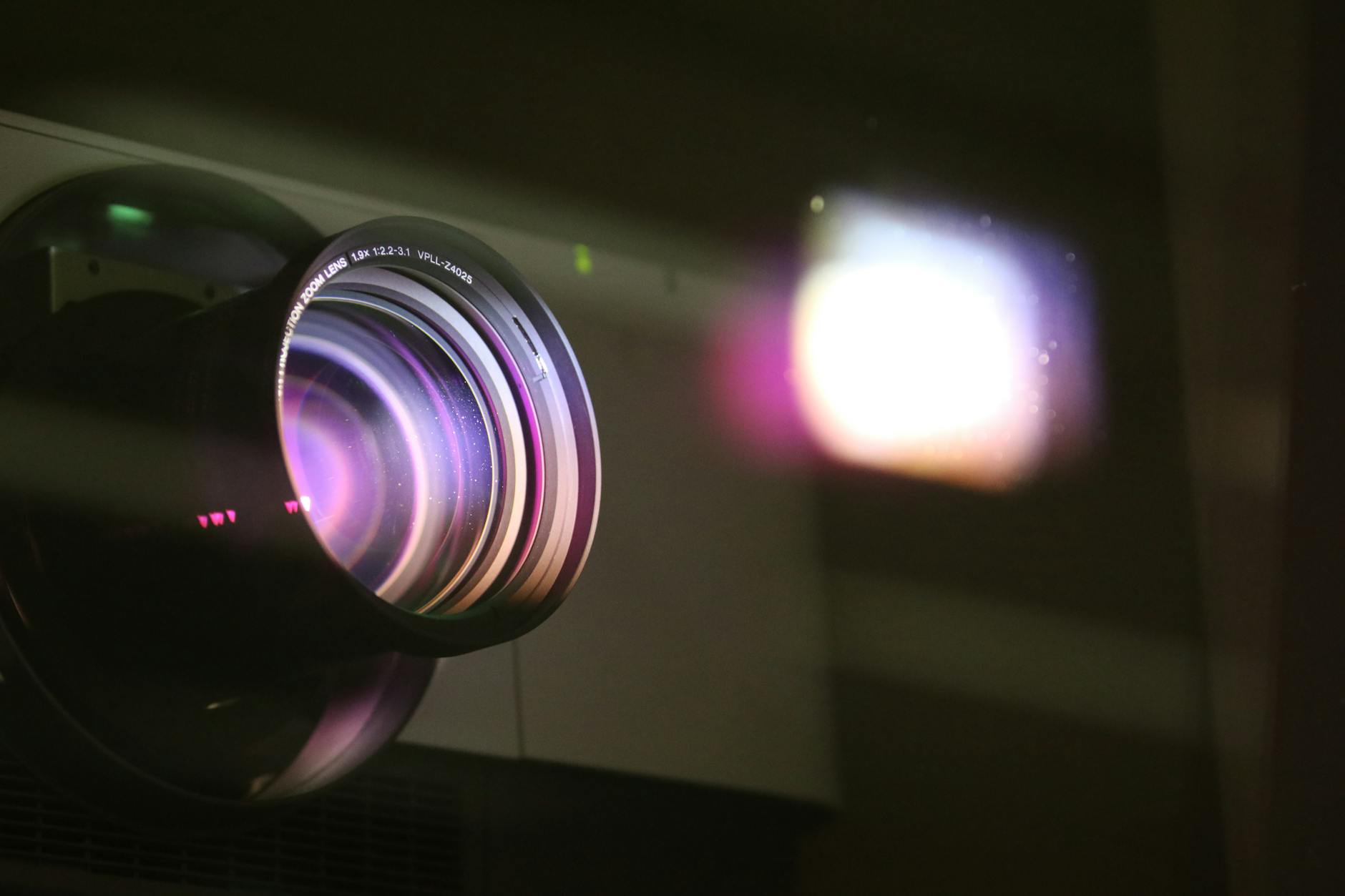
Portable projectors solve this equation elegantly. Modern LED projectors like the XGIMI MoGo series or Anker Nebula capsule weigh less than two pounds and disappear into a drawer when not in use. When movie night arrives, they transform a bare wall into a cinema screen larger than most people could afford in traditional television form.
“I realized I was designing my entire living space around this massive black rectangle,” says Marcus Chen, a 28-year-old software engineer who recently swapped his 43-inch Samsung for a pocket projector. “Now my wall serves multiple purposes throughout the day.”
The economics extend beyond floor space. Studio dwellers frequently relocate for work, relationships, or simply better rent deals. Hauling a large television up narrow staircases or cramming it into ride-shares creates logistical headaches that portable projectors eliminate entirely.
Technology Finally Catches Up to Convenience
Earlier portable projectors suffered from dim images, poor color accuracy, and complex setup requirements that made them impractical for daily use. Recent advances in LED and laser technology have eliminated most of these barriers.
Current-generation projectors produce brightness levels exceeding 1000 ANSI lumens-sufficient for comfortable viewing in moderately lit rooms. Automatic keystone correction means users can place projectors at odd angles without geometric distortion, while built-in batteries provide 2-3 hours of cord-free operation.
Smart features mirror what consumers expect from modern televisions. Wi-Fi connectivity enables direct streaming from Netflix, Amazon Prime, and YouTube without additional devices. Voice control through Alexa or Google Assistant eliminates the need for multiple remotes in already-cluttered small spaces.
The audio component traditionally represented projectors’ weakest link, but newer models integrate surprisingly capable speakers or seamlessly pair with existing Bluetooth headphones and soundbars. For apartment dwellers mindful of thin walls and nearby neighbors, this flexibility proves invaluable.
Social Viewing Gets More Flexible
Studio apartment entertainment often involves creative furniture arrangements when friends visit. Traditional TV setups lock viewers into fixed seating positions, but projectors enable dynamic social configurations.
“We can throw the image on the ceiling for late-night movie marathons in bed, or project onto the kitchen wall during dinner parties,” explains Sarah Martinez, a freelance graphic designer who hosts regular viewing parties in her 400-square-foot Brooklyn studio. “The screen size adjusts based on how many people are over.”
This adaptability extends to content types. Gaming sessions benefit from wall-sized displays that create immersive experiences impossible with smaller televisions. Sports viewing becomes communal events where the massive screen size recreates stadium atmosphere within intimate spaces.
The technology dovetails with broader smart home trends toward flexible, multi-purpose devices. Just as smart home hubs have simplified connected living for non-technical users, portable projectors represent entertainment systems that adapt to living situations rather than dictating them.
The Quality Question
Projector skeptics rightfully point to image quality differences compared to premium televisions. High-end OLED and QLED displays still deliver superior contrast ratios, color accuracy, and overall picture quality in controlled lighting environments.
However, most studio apartment residents aren’t comparing projectors to $1,500 televisions. They’re weighing them against budget TVs in the $300-600 range-a comparison where modern projectors hold their ground, especially when factoring in the dramatically larger screen sizes they provide.
Ambient light remains projectors’ primary limitation. Bright apartments with large windows require blackout curtains or strategic timing for optimal viewing. Yet many urban studio dwellers already manage lighting carefully to create mood and maximize the sense of space.

Looking Forward
The portable projector trend reflects broader shifts in how younger consumers prioritize flexibility over permanence in their living spaces. As remote work continues normalizing smaller living arrangements, and as urban housing costs keep climbing, space-efficient entertainment solutions will likely expand beyond early adopters.
Technology improvements continue accelerating, with laser projectors promising even brighter images and longer lifespans, while prices decrease across all performance categories. Major streaming services are optimizing content for large-screen viewing, recognizing that home theaters no longer require dedicated rooms.
The television won’t disappear from American homes, but its dominance in small-space living appears increasingly challenged. For the growing population of urban renters prioritizing experiences over possessions, walls that transform into entertainment centers represent a more appealing future than furniture built around inflexible screens.
Frequently Asked Questions
Are portable projectors bright enough for normal room lighting?
Modern LED projectors exceed 1000 ANSI lumens, providing comfortable viewing in moderately lit rooms, though they work best with controlled lighting.
How do portable projectors compare to budget TVs in picture quality?
While not matching premium OLED displays, current projectors compete well with budget TVs while offering much larger screen sizes.