





Retro gaming handhelds have exploded from niche collector items to mainstream holiday must-haves, with retailers reporting unprecedented demand for devices that let players experience classic Nintendo, Sega, and arcade games anywhere. The Anbernic RG35XX, Miyoo Mini Plus, and Steam Deck are flying off shelves faster than stores can restock them, while established brands like Nintendo continue dominating with the Switch OLED’s retro game library.
This surge represents more than nostalgia – it’s a full cultural shift toward portable, curated gaming experiences that prioritize quality over cutting-edge graphics. Unlike modern gaming’s emphasis on online multiplayer and constant updates, these devices offer complete, offline experiences that transport players to gaming’s golden age.
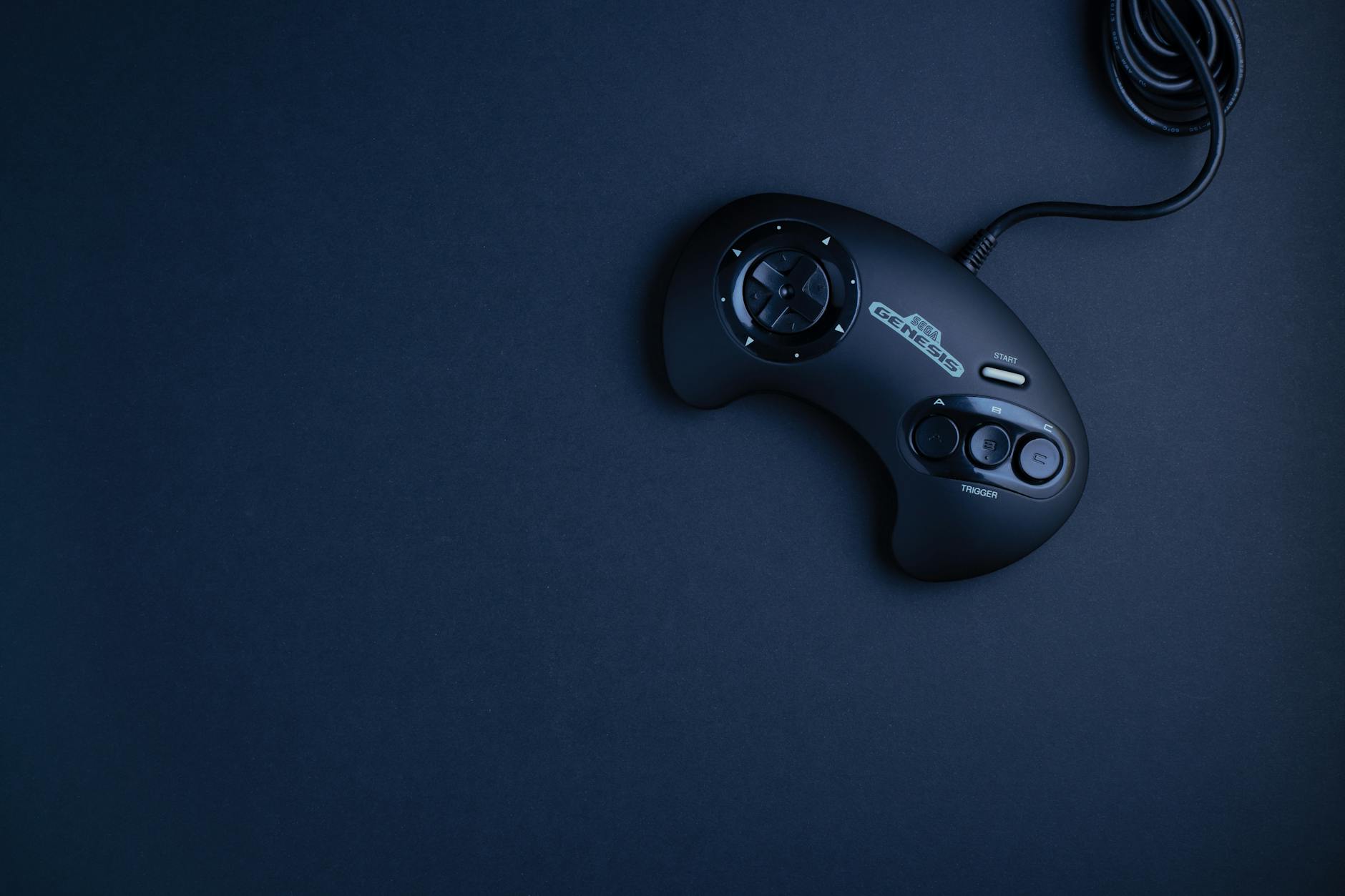
The Perfect Storm of Nostalgia and Accessibility
Multiple factors have aligned to create this retro handheld boom. First, the generation that grew up with 8-bit and 16-bit consoles now has disposable income and children of their own. These millennials and Gen X gamers want to share their childhood favorites while reliving those experiences themselves.
The technology has finally caught up to deliver authentic retro gaming without compromise. Modern handheld processors can perfectly emulate classic systems like the Game Boy, NES, Super Nintendo, and Genesis without the lag or glitches that plagued earlier attempts. High-quality IPS screens display pixel art with crystal clarity, while improved D-pads and buttons provide the tactile feedback these games were designed for.
Price accessibility has democratized the market. While premium options like the Steam Deck cost hundreds of dollars, entry-level devices like the Miyoo Mini start around sixty dollars and can play thousands of classic games. This price point makes retro handhelds impulse purchases rather than major investments.
The handheld form factor perfectly matches modern lifestyle demands. Commuters can play Super Metroid on the subway, parents can squeeze in Tetris sessions during soccer practice, and travelers can carry entire game libraries without internet dependency. Why Portable Projectors Are Replacing TVs in Studio Apartments explores similar trends toward portable entertainment solutions.
The Hardware Revolution Behind the Trend
Today’s retro handhelds represent significant technological advancement over previous attempts. The Anbernic RG35XX uses ARM-based processors that deliver smooth emulation for systems up through PlayStation 1, while maintaining excellent battery life. Its 3.5-inch screen strikes the perfect balance between portability and playability.
The Miyoo Mini Plus has become the budget darling, offering Game Boy-style gaming in an ultra-portable package. Despite its tiny size, it runs classic 2D games flawlessly and fits in any pocket. The device’s simplicity appeals to casual gamers who want plug-and-play retro gaming without complex setup.
At the premium end, Valve’s Steam Deck has redefined what handheld gaming can be. While primarily designed for modern PC games, its ability to run RetroArch and classic emulators has made it the ultimate retro gaming machine. Players can experience everything from Atari 2600 games to PlayStation 2 titles with modern conveniences like save states and rewind functionality.
Screen technology has been crucial to this revolution. Modern IPS displays reproduce the vibrant colors of classic pixel art while maintaining the sharp, clean look these games were designed for. Many devices now offer screen filters that simulate CRT television effects, giving players authentic retro visuals when desired.
Battery technology improvements mean these devices can run for hours on single charges. The best models provide 6-8 hours of gameplay, making them viable for long trips or extended gaming sessions. Fast charging capabilities mean quick top-ups during breaks keep the gaming going.
Software and User Experience Advances
The software experience has matured dramatically. Modern retro handhelds run sophisticated Linux-based operating systems that handle ROM management, save states, and system switching seamlessly. Players can pause any game instantly, switch to a different console, then return exactly where they left off.
Custom firmware communities have flourished around popular devices. Projects like OnionOS for Miyoo devices and ArkOS for Anbernic handhelds provide polished interfaces, automatic box art downloading, and extensive customization options. These communities ensure devices stay updated and functional long after purchase.
Cloud save synchronization allows players to continue games across multiple devices. Start Super Mario World on a handheld during lunch, then pick up the same save file on a home emulator setup later. This flexibility matches modern gaming expectations while preserving retro game integrity.
Cultural Impact and Market Response
The retro handheld explosion has forced major gaming companies to reconsider their strategies. Nintendo’s continued success with classic game collections on Switch validates consumer appetite for retro content. Sony’s PlayStation Portal, while primarily a streaming device, acknowledges the demand for handheld gaming experiences.
Retail response has been swift and dramatic. Major electronics retailers now dedicate sections to retro gaming handhelds, treating them as legitimate gaming platforms rather than novelty items. Amazon’s handheld gaming category has exploded, with dozens of manufacturers competing for market share.
The trend has created entire YouTube ecosystems dedicated to handheld reviews, modifications, and gameplay showcases. Creators like Retro Game Corps and ETA Prime have built substantial audiences around handheld content, driving awareness and sales through detailed reviews and setup tutorials.
Educational applications have emerged as unexpected benefits. Parents use these devices to introduce children to gaming history, showing how modern mechanics evolved from classic foundations. The simple, focused gameplay of retro titles provides screen time that feels more intentional and less addictive than modern mobile games.
Social aspects have developed organically around the hobby. Online communities share ROM recommendations, hardware modifications, and troubleshooting tips. Local gaming groups organize handheld meetups where players trade games and compare devices. This community building mirrors the social aspects that made classic gaming memorable.

Looking Forward: The Future of Retro Handhelds
Industry analysts predict continued growth in the retro handheld market through 2024 and beyond. As more classic games receive official digital releases, the line between emulation and legitimate retro gaming continues to blur. Companies are exploring partnerships that could bring officially licensed classic games to third-party hardware.
Hardware improvements will focus on refinement rather than revolution. Better screens, longer battery life, and more ergonomic designs will enhance the core experience without changing the fundamental appeal. Some manufacturers are exploring modular designs that allow screen and control upgrades over time.
The success of retro handhelds signals broader shifts in gaming culture toward curation over consumption, quality over quantity, and focused experiences over endless content streams. Much like The Return of Physical Keyboards for Tablet Users Who Type Daily represents a return to tactile, purposeful technology, retro handhelds offer gaming experiences designed for engagement rather than endless scrolling.
As holiday 2024 approaches, retro gaming handhelds represent more than nostalgic gifts – they’re statements about what gaming can be when stripped of modern distractions and returned to pure, focused fun. The trend shows no signs of slowing, suggesting that sometimes the best path forward involves looking back to what made gaming magical in the first place.
Frequently Asked Questions
What are the most popular retro gaming handhelds right now?
The Anbernic RG35XX, Miyoo Mini Plus, and Steam Deck are leading sales, offering different price points and capabilities for classic gaming.
How much do retro gaming handhelds cost?
Prices range from around sixty dollars for basic models like the Miyoo Mini to several hundred for premium devices like the Steam Deck.