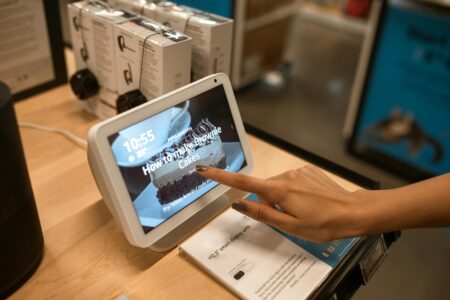





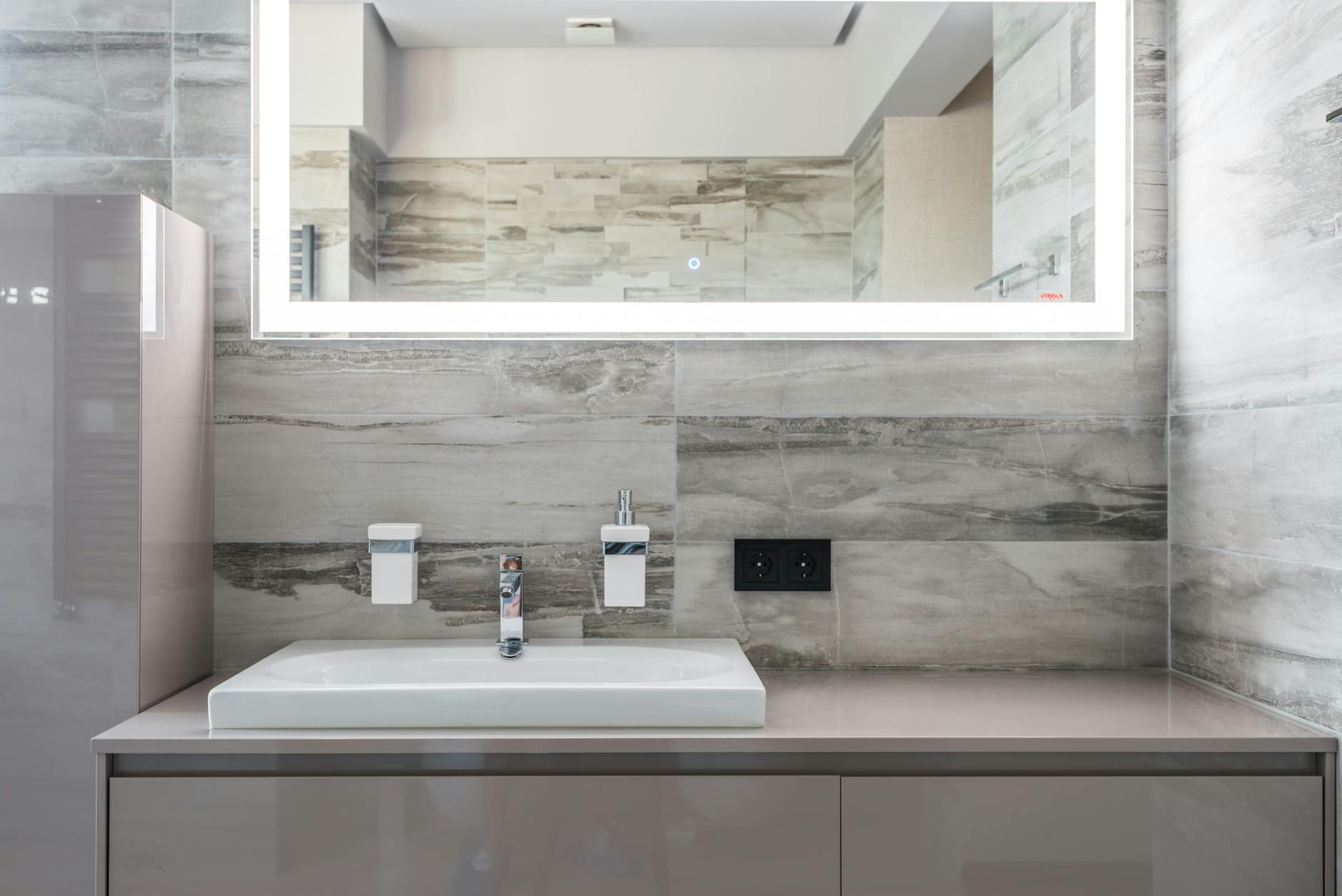
Smart mirrors were once the exclusive domain of luxury hotels and high-end spas, with price tags that kept most homeowners dreaming rather than buying. Now, these futuristic bathroom fixtures are finally within reach of average households, transforming morning routines across suburban America.
The shift comes as manufacturing costs plummet and tech companies discover profitable ways to mass-produce what were previously custom-built devices. Major retailers like Amazon, Best Buy, and Home Depot now stock smart mirrors starting under $300, a dramatic drop from the $2,000-plus price points that dominated the market just three years ago.
This accessibility revolution mirrors broader trends in smart home technology, where products once reserved for early adopters and tech enthusiasts are becoming mainstream household items. Like wireless charging furniture, smart mirrors represent the gradual integration of technology into everyday objects we already use.
Manufacturing Breakthroughs Drive Down Costs
The price drop stems from several manufacturing innovations that have emerged over the past two years. Traditional smart mirrors required expensive two-way mirror glass and custom-built LED arrays, making each unit a semi-bespoke product. Now, companies like Kohler, Simplehuman, and HiMirror use standardized LED strips and mass-produced LCD panels behind conventional mirrors.
Chinese manufacturers have also entered the market aggressively, offering basic smart mirror functionality at wholesale prices that undercut established brands by 60-70%. While these budget options may lack premium features like voice assistants or health tracking, they deliver core functions like weather display, time, and basic lighting controls.
Supply chain improvements play a crucial role too. The same factories producing tablets and smart displays can now manufacture smart mirror components, leveraging existing production lines and expertise. This shared infrastructure eliminates the need for specialized manufacturing facilities that previously drove up costs.
Component standardization has been equally important. Early smart mirrors used proprietary parts that required individual sourcing and custom assembly. Current models rely heavily on off-the-shelf Android tablets, Raspberry Pi computers, and standard mirror coatings, dramatically reducing both manufacturing complexity and repair costs.
Feature Sets Expand While Prices Drop
Today’s affordable smart mirrors pack functionality that would have cost thousands just a few years ago. Entry-level models from brands like Fenchilin and LVSOMT include LED lighting, Bluetooth connectivity, and basic app integration for under $250. Mid-tier options add features like anti-fog heating, voice control, and customizable lighting temperatures.
Premium features once exclusive to commercial installations now appear in consumer models. Health tracking capabilities can monitor skin conditions, track fitness metrics, and even provide posture analysis during daily grooming routines. Some mirrors integrate with popular fitness apps, displaying workout videos or meditation guides during morning routines.

Voice integration has become particularly sophisticated. Many current models work seamlessly with Alexa, Google Assistant, or Siri, allowing users to control smart home devices, check calendars, or play music without touching the mirror surface. This hands-free functionality proves especially valuable in bathroom environments where wet hands make touchscreen interaction impractical.
Customization options have expanded significantly. Users can now adjust lighting color temperature throughout the day, mimicking natural light patterns or optimizing for specific activities like makeup application or shaving. Some models automatically adjust brightness based on ambient room lighting, reducing eye strain during early morning or late evening use.
Installation Becomes DIY-Friendly
Complex installation requirements previously added hundreds of dollars to smart mirror adoption costs. Professional installation was often mandatory, requiring electricians to run new wiring and mount heavy, fragile units. Modern smart mirrors solve this problem through wireless connectivity and simplified mounting systems.
Many current models operate entirely on battery power or plug into standard electrical outlets, eliminating the need for hardwired connections. Magnetic mounting systems allow renters to install smart mirrors without permanent modifications to bathroom walls. Some designs simply hang like traditional mirrors, requiring no special hardware beyond standard picture hanging supplies.
Wireless connectivity has been transformative. Instead of running ethernet cables or installing dedicated wireless access points, current smart mirrors connect to existing home WiFi networks. Bluetooth connectivity enables smartphone control and easy setup through mobile apps, making installation accessible to users with basic technical skills.
Weight reduction has been significant too. Earlier smart mirrors weighed 20-30 pounds due to heavy glass and substantial electronic components. Current models often weigh less than 10 pounds, comparable to traditional bathroom mirrors of similar size. This weight reduction simplifies mounting and reduces structural requirements for bathroom walls.
Market Competition Intensifies
The smart mirror market has attracted dozens of new competitors, creating intense price pressure that benefits consumers. Established bathroom fixture companies like Moen and Delta compete directly with tech startups and overseas manufacturers, forcing continuous innovation and competitive pricing.
Amazon’s entry into the space through private label brands has been particularly disruptive. The retail giant leverages its manufacturing relationships and distribution network to offer smart mirrors at near-wholesale prices, often undercutting traditional retailers by 30-40%. This competitive pressure forces other manufacturers to reduce prices or risk losing market share.
Subscription revenue models have also emerged, allowing manufacturers to sell hardware at lower margins while generating ongoing income through premium features or cloud services. Some companies offer basic mirror functionality for free while charging monthly fees for advanced features like health tracking, premium lighting modes, or expanded voice assistant capabilities.
The competition has accelerated feature development cycles. Companies must continuously add new capabilities to differentiate their products, leading to rapid improvements in areas like display quality, battery life, and software functionality. This competitive environment ensures that even budget models receive regular feature updates and improvements.
Smart mirrors represent more than just a gadget trend – they signal the broader integration of technology into personal care routines. As prices continue dropping and features expand, these devices are positioned to become as common as electric toothbrushes or hair dryers. The next phase will likely focus on health monitoring capabilities and deeper integration with personal wellness ecosystems, making the bathroom mirror a central hub for daily health management.
Frequently Asked Questions
How much do smart mirrors cost now?
Entry-level smart mirrors now start under $300, with mid-tier models around $500-800, compared to $2,000+ just three years ago.
Are smart mirrors difficult to install?
Modern smart mirrors use wireless connectivity and simple mounting systems, making DIY installation possible without professional help or hardwiring.