




The comedy club is dead. Long live the comedy theater.
From Los Angeles to Nashville, stand-up comedians are ditching the traditional two-drink minimum model for something unprecedented: permanent theater residencies that position them as legitimate performing artists rather than bar entertainment. This shift represents the most significant evolution in live comedy since the comedy boom of the 1980s.
Jerry Seinfeld recently completed a month-long run at the Beacon Theatre, selling out 30 consecutive nights with material he’d never performed before. Dave Chappelle has maintained a regular spot at Yellow Springs’ intimate Wirrig Pavilion since 2020. These aren’t one-off specials or promotional tours-they’re sustained artistic residencies that mirror what serious musicians and theater performers have done for decades.

The Economics Behind the Theater Move
Traditional comedy clubs operate on razor-thin margins, splitting door revenue with performers while depending heavily on food and beverage sales to stay profitable. Theaters, by contrast, offer comedians direct access to ticket revenue and merchandising opportunities without competing with kitchen noise or clinking glasses.
“The theater model allows comedians to control their entire artistic experience,” says Marc Maron, who recently announced a six-week residency at the Largo at the Coronet in Los Angeles. “You’re not sharing space with someone ordering buffalo wings during your punchline.”
The numbers support this shift. Theater residencies typically command ticket prices between $75-150, compared to comedy club covers of $20-40. More importantly, comedians retain 70-80% of ticket sales versus the 40-60% split common in club arrangements. For established performers, this translates to significantly higher per-show earnings with fewer shows required to match their previous income.
Regional theaters are also embracing comedy as a way to diversify programming and attract younger audiences. The Kennedy Center in Washington D.C. now reserves monthly slots for comedy programming, while smaller venues like Nashville’s Zanies have transformed from traditional clubs into hybrid theater spaces.
Creative Freedom Drives the Migration
The theater environment offers comedians artistic liberties impossible in traditional club settings. Without the pressure to accommodate food service or maintain energy for late-night crowds, performers can experiment with longer-form storytelling, incorporate multimedia elements, or develop thematic evening-length shows.
Comedian John Mulaney’s recent “From Scratch” residency at City Winery venues across the country exemplifies this approach. Rather than delivering his standard hour-long set, Mulaney used each performance to workshop new material while maintaining an intimate, theater-like atmosphere. The format allowed him to develop what became his latest Netflix special in real-time with dedicated audiences.
Similarly, comedians are finding theater residencies provide space for more ambitious projects. Hannah Gadsby’s “Nanette” began as a theater piece in Australia before becoming a global Netflix phenomenon. The work’s success demonstrated that audiences hunger for comedy that transcends traditional stand-up structures.
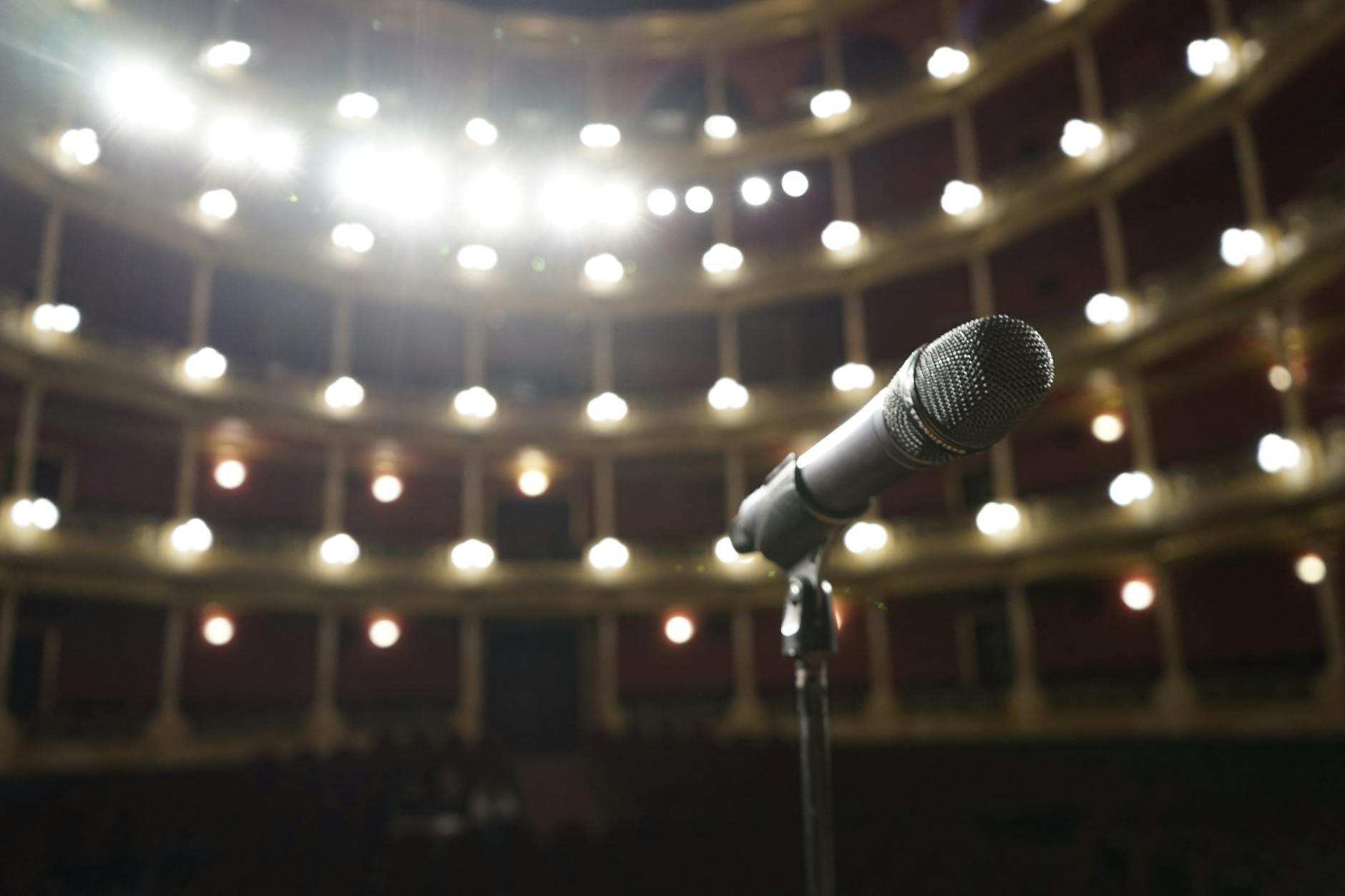
The theater model also enables comedians to build dedicated followings in specific markets. Rather than passing through cities once per year, residency performers can develop deeper connections with local audiences while refining their craft through repetition and variation.
Changing Audience Expectations
Modern comedy audiences increasingly expect curated experiences rather than generic entertainment. This shift mirrors broader cultural trends seen across entertainment venues, from museum late-night events drawing younger crowds to independent art spaces hosting unique social experiences.
Theatergoers arrive expecting focused attention and artistic ambition. They’re willing to pay premium prices for comedy that challenges rather than merely entertains. This creates natural pressure for comedians to develop more sophisticated, cohesive performance pieces.
“Audiences can sense when a comedian is treating the stage as a laboratory versus just delivering content,” explains Amy Schumer, who recently completed a two-week run at the Apollo Theater. “The theater setting demands that level of intentionality.”
The demographic shift is equally significant. Theater residencies attract audiences aged 25-45 who prioritize experience over convenience. These patrons view comedy as cultural engagement rather than casual nightlife, creating sustainable revenue streams for both venues and performers.
Social media amplification also works differently for theater shows. Rather than promoting generic club appearances, comedians can market specific artistic statements tied to particular venues and time periods. This creates scarcity and event-like marketing opportunities that traditional club circuits cannot match.
Technology Integration and Hybrid Models
Theater residencies also provide platforms for technological experimentation that traditional comedy clubs cannot accommodate. Performers are incorporating projection mapping, interactive audience polling, and live streaming elements that require dedicated technical infrastructure.
Some comedians are developing hybrid models that combine live theater performances with digital content creation. This approach acknowledges that many comedians are simultaneously pivoting to TikTok-first content while maintaining live performance careers.
Pete Davidson’s recent residency at the Gramercy Theatre included live-streamed portions that reached online audiences, effectively creating multiple revenue streams from single performances. This model positions theater residencies as content creation hubs rather than isolated live events.
The integration of technology also enables data collection that helps comedians understand their audiences more precisely. Theater venues can provide detailed demographic information and engagement metrics that traditional clubs rarely track, allowing performers to refine their approach based on concrete feedback.
The Future of Comedy as Performance Art
The theater residency trend signals comedy’s evolution from nightlife entertainment to legitimate performing art. As more established comedians demonstrate the model’s viability, emerging performers are beginning their careers with theater aspirations rather than club circuit goals.
Comedy schools and workshops are adapting curricula to emphasize theatrical performance skills alongside traditional joke-writing techniques. The Groundlings in Los Angeles recently launched a “Theater-Ready Comedy” program specifically designed for the residency model.
This shift will likely accelerate as streaming platforms increasingly seek content that stands apart from traditional stand-up specials. Netflix, Amazon Prime, and HBO Max are all developing partnerships with theater venues to capture residency performances that offer more artistic depth than standard club recordings.
The permanent residency model also provides sustainable career paths for comedians who previously faced constant touring pressure. By establishing home bases in major markets, performers can maintain family lives while building artistic legacies tied to specific venues and communities.
As theater residencies become standard practice, the comedy industry may finally achieve the artistic legitimacy that musicians and actors have long enjoyed, transforming stand-up from bar entertainment into cultural institution.
Frequently Asked Questions
Why are comedians choosing theaters over comedy clubs?
Theaters offer better revenue splits, artistic freedom, and elevated audience experiences without competing with food service distractions.
How much do comedy theater residency tickets cost?
Theater residency tickets typically range from $75-150, significantly higher than traditional comedy club covers of $20-40.