

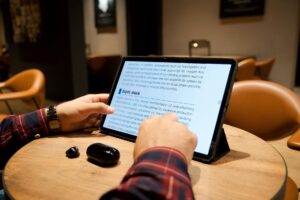



Twenty-two-year-old Maya Chen spends her days designing mobile apps and coding websites, but twice a week, she trades her MacBook for paintbrushes and charcoal. She’s one of thousands of digital natives flooding traditional art studios across major cities, seeking something their screens can’t provide: the tactile satisfaction of creating with their hands.
Art centers nationwide report enrollment surges of 40-60% in traditional mediums like oil painting, pottery, and printmaking, with the majority of new students born after 1995. This renaissance of analog creativity comes as Gen Z increasingly seeks offline alternatives to digital spaces, embracing activities that offer genuine human connection and tangible results.
The Screen Fatigue Revolution
Digital burnout drives much of this artistic awakening. Young professionals who’ve spent their entire conscious lives staring at screens are discovering the meditative qualities of working with physical materials. Brooklyn Art Studio’s director Sarah Martinez notes that 70% of her new students cite “digital detox” as their primary motivation for enrolling.
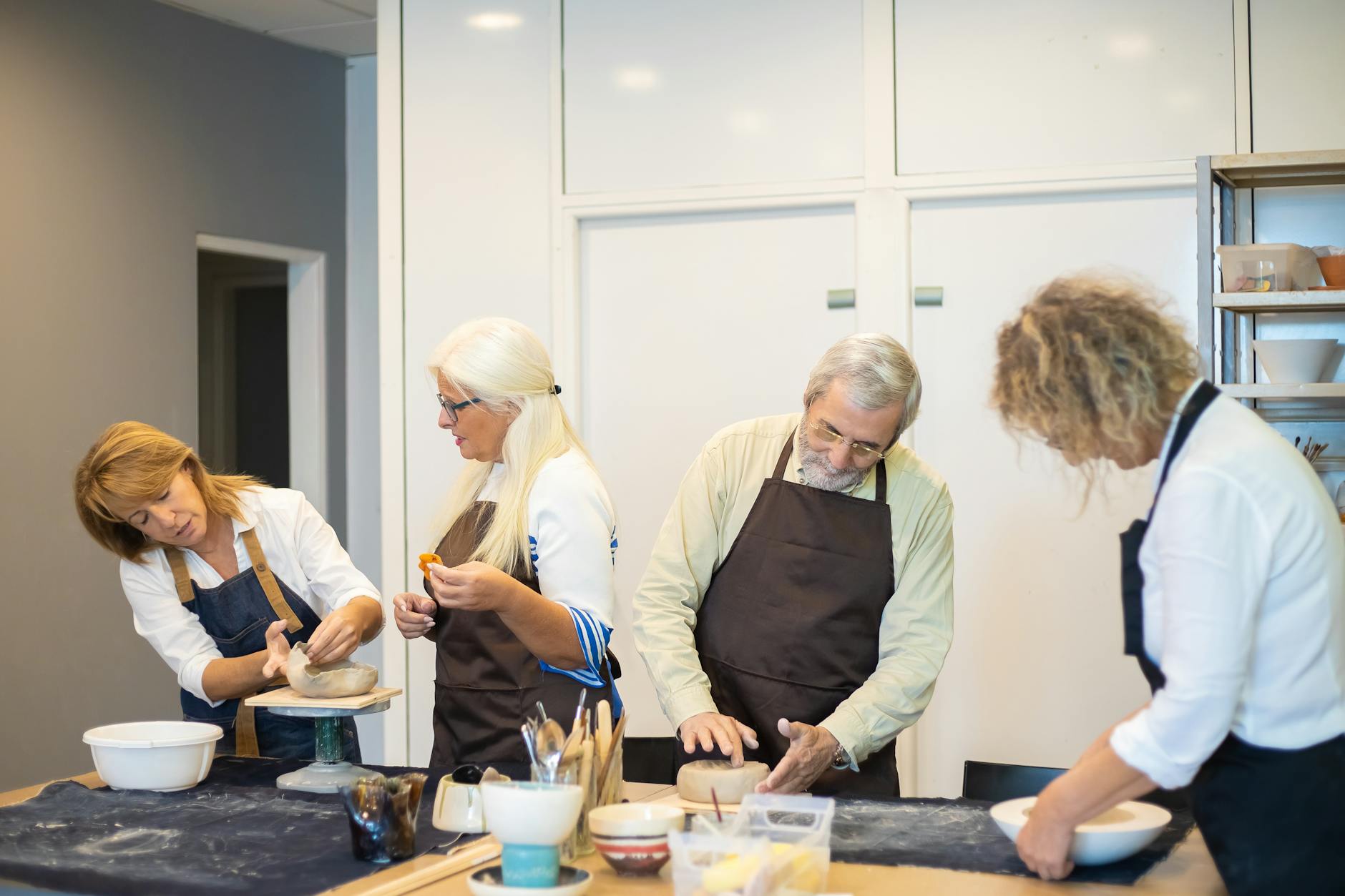
“They want to create something they can hold, something that exists in the real world,” Martinez explains. “When you’ve grown up making things that only exist as pixels, there’s something profound about molding clay or mixing paint colors that can’t be replicated digitally.”
The phenomenon extends beyond metropolitan areas. Community colleges in smaller cities report similar trends, with pottery classes maintaining waiting lists and figure drawing sessions expanding from one to three weekly offerings. Unlike previous generations who might have seen art as impractical, these digital natives view traditional art skills as essential balance to their tech-heavy lives.
Interestingly, many participants don’t abandon their digital tools entirely. Instead, they’re integrating both mediums, using traditional techniques to inform their digital work and vice versa. Graphic designers are learning letterpress printing to understand typography viscerally. Web developers are studying color theory through oil painting to better grasp digital color spaces.
Social Media’s Unexpected Role
Paradoxically, social media platforms fuel this analog art revival. Instagram and TikTok overflow with satisfying videos of pottery wheels spinning, paint mixing, and printmaking processes. These platforms have made traditional art techniques visible and aspirational to audiences who might never have encountered them otherwise.
The “cottagecore” aesthetic movement, which romanticizes rural and handmade lifestyles, has particularly influenced young urbanites. Pottery studios report that many new students reference specific Instagram accounts or Pinterest boards as inspiration. The visual appeal of traditional art processes translates perfectly to social media, creating a feedback loop that drives more people to try these activities in person.
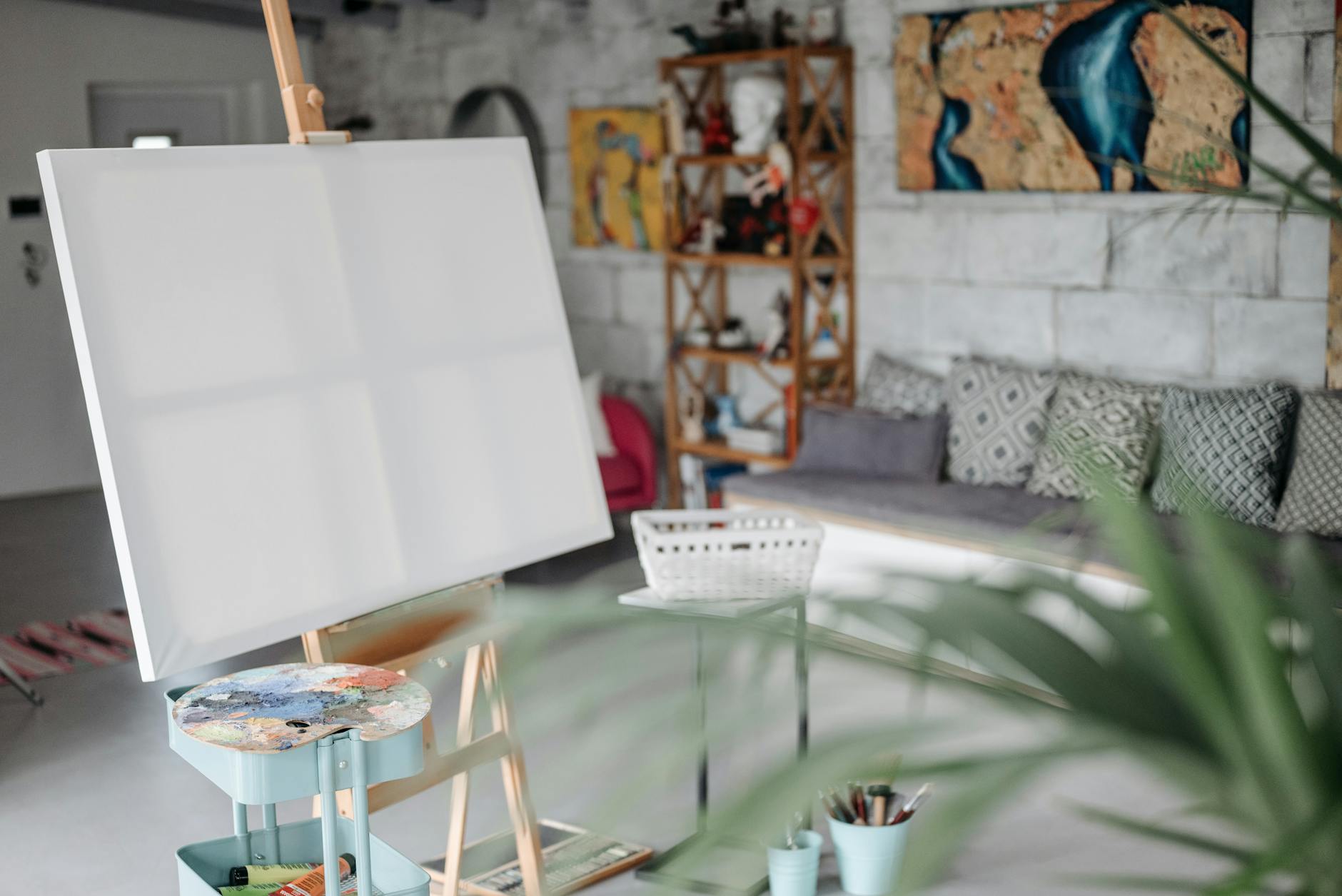
However, unlike typical social media trends, participants often find themselves less focused on documenting their work and more absorbed in the process itself. Many studios have implemented phone-free policies, which students generally embrace rather than resist.
Art supply stores have adapted to this demographic shift, with chains like Blick Art Materials reporting significant increases in starter kit sales. They’ve redesigned their beginner sections with clearer labeling and more accessible pricing, recognizing that many customers are approaching traditional art for the first time as adults.
YouTube has also democratized art education, with channels dedicated to traditional techniques garnering millions of subscribers. Young artists can learn basic skills online before committing to formal classes, making the transition to in-person instruction smoother and more confident.
Building Community Through Creation
Traditional art classes offer something increasingly rare: genuine face-to-face community building. Unlike board game cafes or fitness classes, art studios create extended periods of shared quiet focus, allowing for deeper conversations and connections.
“The vulnerability of creating art alongside others breaks down social barriers quickly,” observes Dr. Rebecca Thompson, who studies social behavior at Northwestern University. “When you’re struggling with perspective drawing or centering clay on a wheel, pretenses disappear. People bond over shared challenges in ways that don’t happen in purely social settings.”
Many studios report that students form lasting friendships, organizing outside meetups and continuing to create together beyond formal class structures. This organic community building contrasts sharply with the algorithmic connections of social media, offering relationships based on shared physical presence and mutual creative struggle.
The mentorship aspect also appeals to digital natives accustomed to learning through tutorials and online courses. Having an experienced instructor provide real-time feedback and demonstrate techniques in person creates learning experiences impossible to replicate digitally. Students describe the satisfaction of receiving immediate, specific guidance about brush pressure or clay consistency.
Group critique sessions, once intimidating to newcomers, have become highlights for many students. Learning to give and receive constructive feedback about creative work builds communication skills that many find lacking in their digital-first professional environments.
Economic Impact and Industry Adaptation
This trend is reshaping the art education industry. Independent studios are expanding rapidly, with many adding evening and weekend classes specifically for working professionals. The Pottery Studio, a small chain based in Seattle, has opened twelve new locations in the past two years, each designed with modern amenities like high-speed wifi for those who need to stay connected.
Art supply manufacturers have noticed shifts in purchasing patterns. Beginner-friendly products are outselling professional-grade materials, prompting companies to develop new product lines targeting adult beginners. Faber-Castell recently launched a “First Time Artist” series, complete with instructional QR codes linking to tutorial videos.
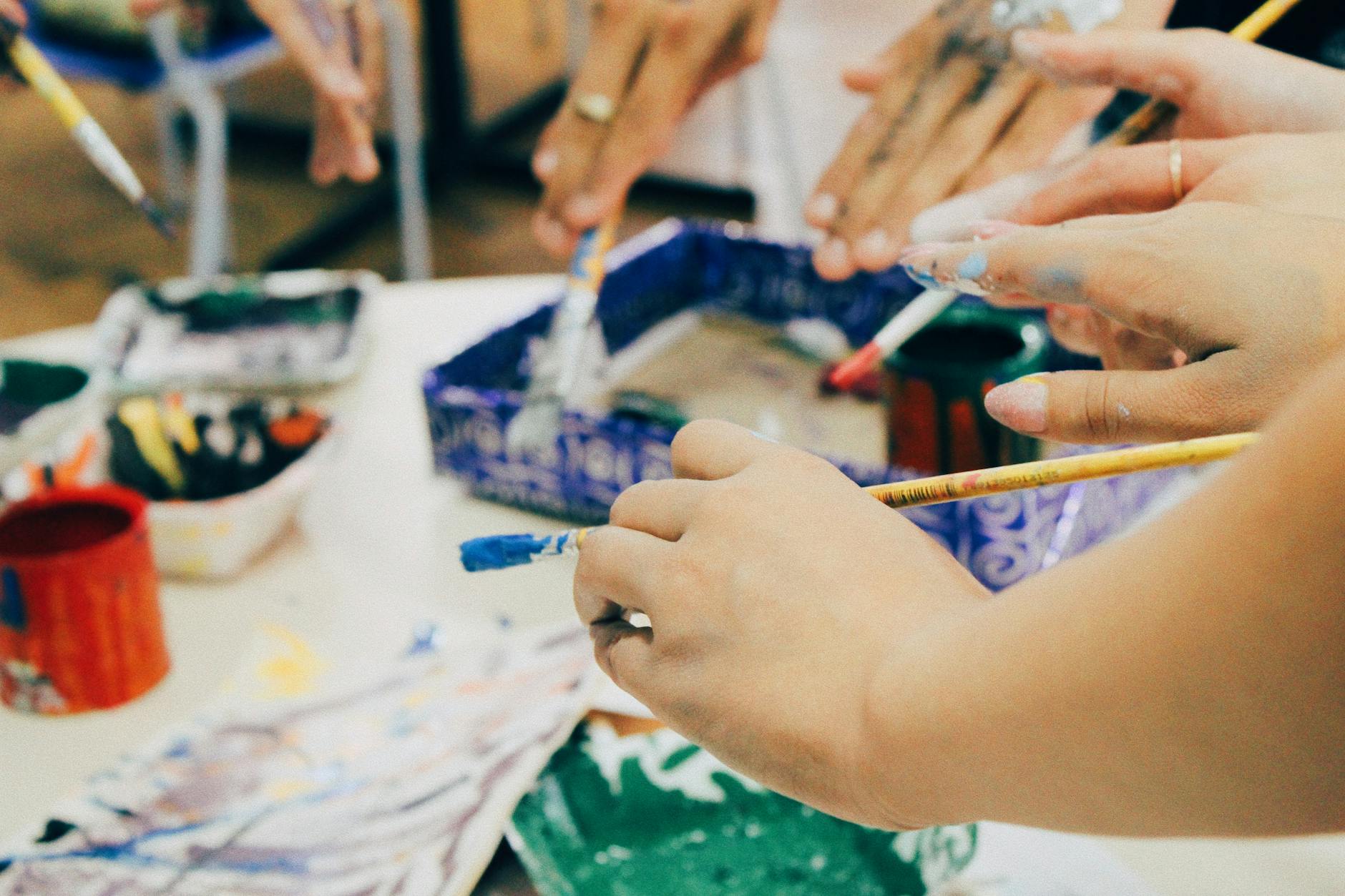
Corporate team-building has also embraced this trend. Companies like Google and Adobe regularly book group pottery or painting sessions as alternatives to traditional off-site activities. The creative process provides stress relief while building collaboration skills, making it attractive to HR departments seeking meaningful employee engagement.
Universities are responding by expanding their continuing education art programs. NYU’s School of Professional Studies added six new traditional art courses this year, all filling to capacity within weeks of enrollment opening. These programs attract both complete beginners and professionals looking to develop new skills.
The economic ripple effects extend to related industries. Local frame shops report increased business as students want to display their work. Art book publishers have seen renewed interest in instructional guides. Even restaurants near popular art studios have adjusted their hours to accommodate the dinner crowds that follow evening classes.
Looking Forward
As artificial intelligence becomes more prevalent in creative industries, young artists are increasingly valuing skills that machines cannot replicate. The physical intuition required for pottery, the color sensitivity developed through paint mixing, and the spatial reasoning built through drawing represent uniquely human capabilities that feel more valuable as AI advances.
Art educators predict this trend will continue growing, particularly as more workplaces embrace flexible schedules that allow for creative pursuits. The integration of traditional and digital art techniques is likely to deepen, creating a generation of artists comfortable in both realms rather than viewing them as opposing forces.
This renaissance of traditional art among digital natives represents more than a trend-it signals a fundamental shift toward valuing tactile, community-based experiences in an increasingly virtual world. As these students develop their skills, they’re not just learning to paint or throw pots; they’re reclaiming the satisfaction of creating something real with their own hands.
Frequently Asked Questions
Why are young people choosing traditional art over digital art?
Many seek tactile experiences and face-to-face community that screens can’t provide, plus a break from digital burnout.
What traditional art forms are most popular with Gen Z?
Pottery, oil painting, printmaking, and figure drawing are seeing the biggest enrollment increases nationwide.