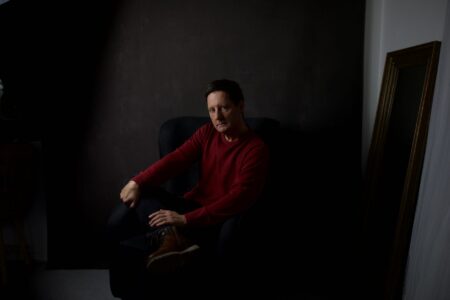





The Playlist Is Already Changing
Streaming algorithms are notoriously good at keeping listeners comfortable – cycling through familiar sounds, surfacing artists who already sound like the artists you love. But 2026 is producing a cohort of musicians who don’t fit cleanly into any recommendation engine’s categories, and that friction is exactly what makes them worth paying attention to. These are the 11 artists GQ has identified as the ones actively shaking up playlists this year.
They cross genres without apology, build fanbases before labels catch on, and move between aesthetics the way previous generations moved between record stores. Whether your ears live in ambient electronic, bedroom pop, or something that doesn’t have a name yet, at least one of these artists is about to become a problem for your listening habits.
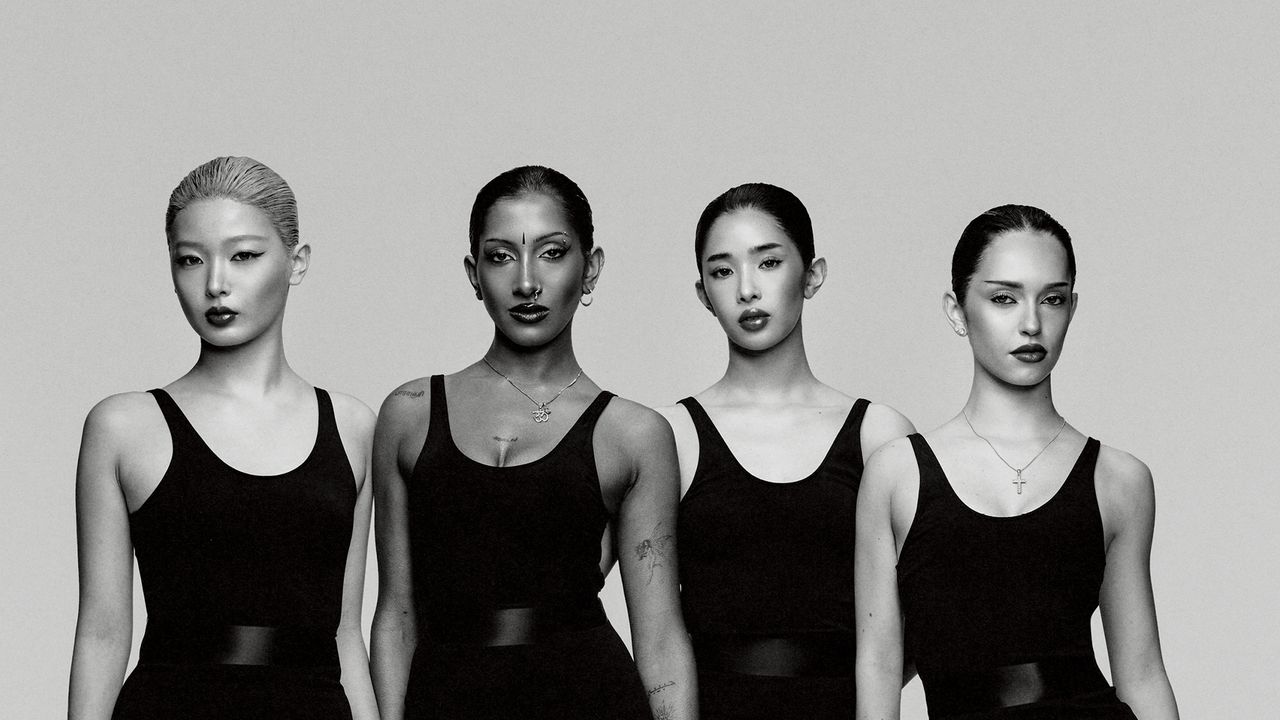
Why Genre-Defying Actually Means Something Now
For most of the streaming era, “genre-defying” was a press release word. It described artists who made one acoustic track on an otherwise conventional rap album, or who borrowed a single synthesizer from a sound they had no real relationship with. What’s different now is that the genre-mixing is structural – it’s in the production choices, the vocal delivery, the song lengths, and the visual identities these artists build around their music. The 11 names on GQ’s 2026 list share that quality, even when they share nothing else.
The streaming age has also changed what it means to “break through.” An artist can build a six-figure monthly listener count on a single viral moment, then sustain it through aesthetic consistency rather than radio play or industry co-signs. That shift in how discovery works has created more room for musicians who don’t sand down their edges for mainstream palatability. The artists on this list are beneficiaries of that opening, but they’re also the ones who did the work to be ready when it arrived.
The New Kings and Queens of the AirPod Era
GQ’s framing positions these 11 musicians specifically as artists built for personal listening – the kind of music that hits differently through headphones than through speakers at a party. That’s not incidental. A large share of contemporary music consumption happens in transit, in isolation, during the small private hours of the day. Artists who understand that context write differently, mix differently, and think about intimacy in their production in ways that translate directly to how a song feels when it’s two inches from your eardrums.
The “kings and queens” language GQ deploys is worth sitting with, because it implies succession. Someone is being displaced. The artists who dominated streaming in 2023 and 2024 built audiences through a particular set of sounds – often hyper-produced pop, or the stripped-down confessional mode that took over after Olivia Rodrigo’s “drivers license” rewrote everyone’s playbook. What the 2026 list suggests is that a shift in sonic dominance is already underway, not coming.
What these 11 artists share isn’t a sound. It’s a posture. They are not waiting for permission from traditional gatekeepers, and they’re not optimizing their music for any single platform’s content format. Several are building audiences across TikTok, YouTube, and Spotify simultaneously, but without the feeling that their music was reverse-engineered from a trending audio clip. That independence – real or carefully performed – is part of what’s attracting listeners who’ve grown allergic to content that feels manufactured for virality.
The aesthetic range across the list is wide enough that calling them a “cohort” takes some interpretive generosity. But the unifying thread is that each of these artists is pushing at the boundaries of what their apparent genre allows, and finding listeners who are ready for that push. The music rut GQ references in its original framing is real – most heavy streamers rotate through the same 40 or 50 artists indefinitely – and the 2026 class represents a genuine exit ramp from that cycle.
Style, Identity, and the Visual Half of the Work
These artists are also worth tracking from a style perspective, not just a music one. The most successful musicians of the streaming era have understood that their visual identity needs to be as legible as their sound – and often more instantly so, given how quickly people scroll past content without listening. The 2026 class is building visual languages that hold up across formats, from album art to short-form video to the kind of paparazzi-adjacent candid shots that now drive as much conversation as official rollout content.
That visual dimension connects back to something Travis Scott demonstrated at scale – that the most durable music brands of this era are built around total world-building, not just songs. The artists on GQ’s list are earlier in that process, but the infrastructure is visible if you look at their rollouts carefully.
What Actually Invades Your Headphones
The GQ list uses the word “invade” deliberately. There’s a violence to how new music actually displaces old favorites in a playlist – it doesn’t arrive politely. One track catches you at the right moment, and suddenly an artist you’d never heard of two weeks ago is getting 15 spins a day. The 11 artists identified for 2026 have the structural qualities that make that kind of aggressive listener takeover possible: hooks that don’t announce themselves immediately, production that rewards repeated listening, and enough personality in the vocals or lyrics to generate the parasocial pull that turns casual listeners into dedicated ones.
The new-music rut these artists are positioned to break is also a cultural rut. When a listener’s playlist stops evolving, their reference points stop evolving with it. The 2026 streaming class – genre-defying by design, built for headphones, operating outside legacy industry structures – is the kind of disruption that doesn’t ask your permission before it shows up. The only real question is which of the 11 makes it onto your phone first, and how long it takes before you can’t remember what you were listening to before.