





When the Courthouse Itself Is on Trial
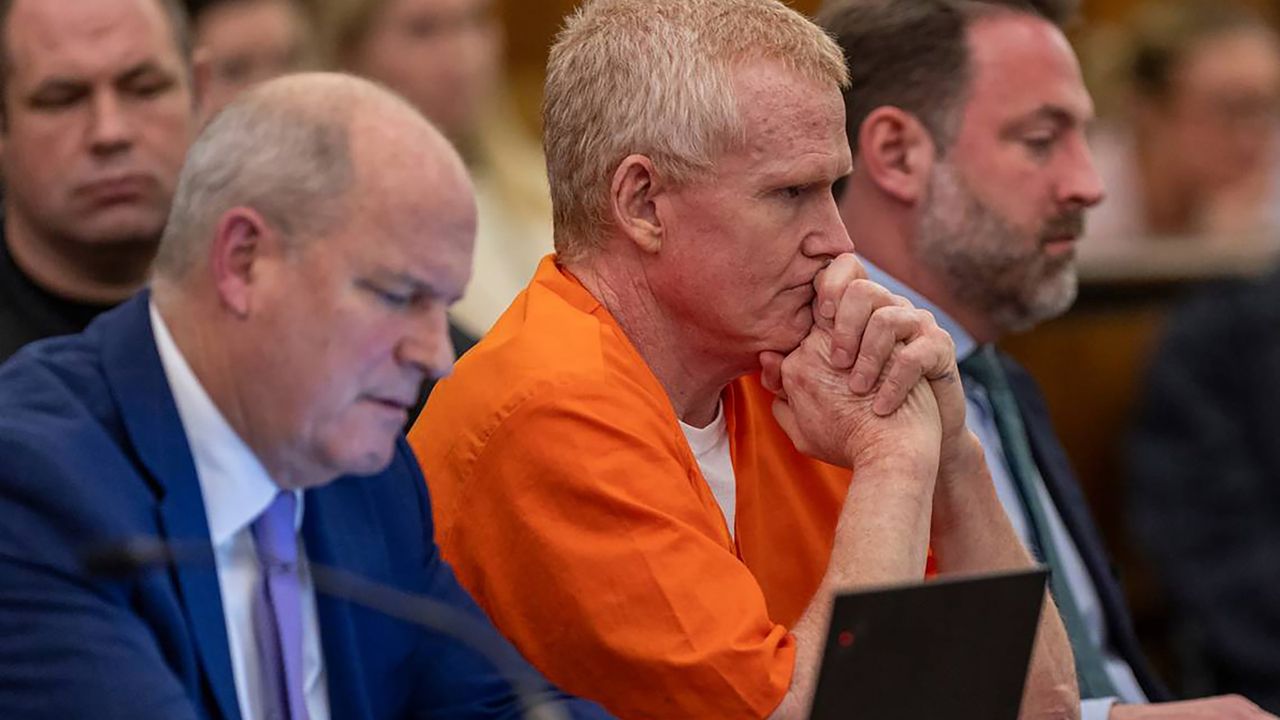
The conviction of South Carolina lawyer Alex Murdaugh for the murders of his wife and son was supposed to be the end of a long, strange story. Instead, it has become the opening of a messier one – centering not on Murdaugh, but on a small-town court clerk named Becky Hill.
What Becky Hill Did – and Why It Matters
Becky Hill was a court employee present throughout the Murdaugh trial in South Carolina. During the proceedings, she allegedly pressured jurors to convict Murdaugh – a direct interference with the deliberative process that sits at the foundation of criminal justice. The allegation is not minor. Juror tampering, particularly by someone operating inside the courthouse with authority and access, cuts at the basic assumption that verdicts emerge from the jury room without outside contamination.
What makes Hill’s case particularly sharp-edged is the suspected motive. Hill had written a book – a project whose commercial value would climb considerably if Murdaugh’s guilt were confirmed and the story resolved cleanly with a conviction. A not-guilty verdict, or a mistrial, would make for a far less marketable narrative. That financial incentive sitting alongside her access to jurors is what has driven the current scrutiny of the original verdict.
Murdaugh was convicted of murdering his wife, Maggie, and his son, Paul. The case drew enormous national attention, partly because Murdaugh came from a prominent South Carolina legal family with generations of influence in the local court system – the same system that would eventually try him. The trial itself became the kind of cultural event that generates book deals and documentary contracts. Hill’s book was one product of that attention economy. Whether it was also a motivation for her alleged conduct is the question now sitting at the center of a post-conviction hearing.
If the conviction is overturned on the basis of juror tampering, Murdaugh would not automatically go free. A retrial is the more likely outcome. But the damage to the credibility of the original proceedings would be substantial – and the questions about Hill would not end there.
The Deeper Problem: Was She Acting Alone?
The question of whether Becky Hill acted alone is not rhetorical. It carries real legal and institutional weight. A single court employee deciding, apparently for personal financial gain, to influence a jury is alarming enough. But if Hill’s conduct was enabled, overlooked, or encouraged by others within the South Carolina court system, the problem scales considerably beyond one individual’s misconduct.
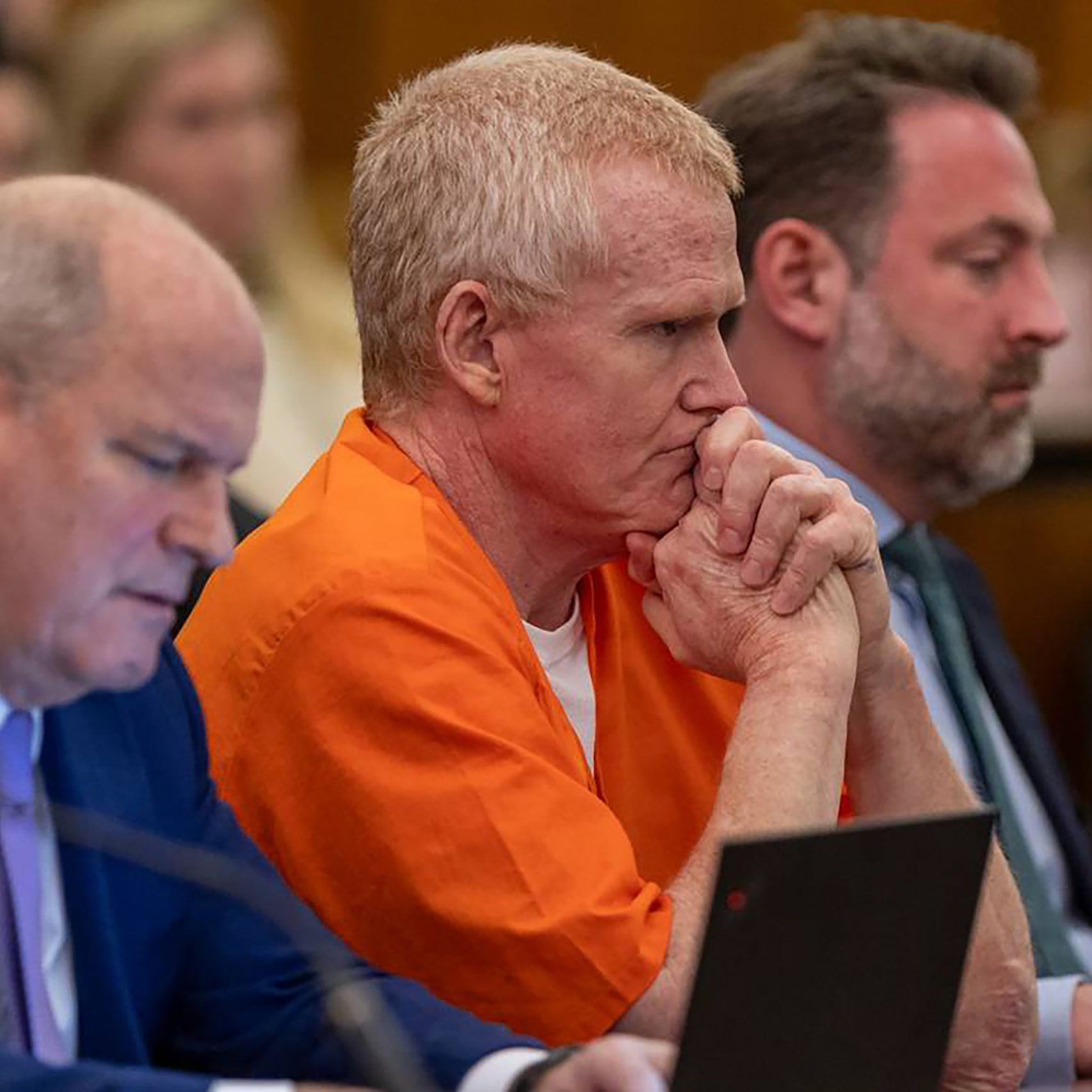
Hill had direct contact with jurors throughout the trial. That access was part of her official role. Court clerks manage logistics, communicate instructions, and maintain proximity to jurors in ways that most outsiders – including defense attorneys and prosecutors – do not. The position carries a kind of quiet authority. Jurors, sequestered from their normal lives and navigating an unfamiliar legal environment, are in a psychologically vulnerable position. Instructions from a trusted courthouse figure land differently than pressure from a stranger on the street.
The specific nature of what Hill allegedly said to jurors, and how jurors responded, is expected to surface more fully as legal proceedings around the verdict continue. What has already emerged is enough to cast the original trial in a different light. The Murdaugh case was already one of the more procedurally complicated criminal matters in South Carolina’s recent history, given Murdaugh’s family connections to the local legal establishment. Adding juror interference by a court employee to that backdrop makes the integrity of the original conviction genuinely difficult to defend.
There is also the question of timing and knowledge. When did court officials or others in the system become aware of what Hill had done? Hill’s book – the presumed financial motive – was presumably not a secret project. Its existence raises the question of whether anyone with supervisory authority over Hill considered the conflict of interest that a court employee writing a book about a trial she was actively managing might present. That nobody appears to have intervened before the verdict is the kind of institutional failure that tends to produce more than one responsible party.
The Murdaugh family’s long history in South Carolina’s legal world adds another layer of complexity that is hard to ignore. For decades, the Murdaughs wielded influence in local courts. Alex Murdaugh’s father, grandfather, and great-grandfather all served as solicitors in the 14th Circuit. When Alex was accused of murder, some observers questioned whether that legacy would insulate him – as it had during earlier financial fraud allegations that took years to surface publicly. If the system bent toward him historically, the irony now is that the system may have bent against him as well, through the actions of a clerk with a book to sell.
What Comes Next
The legal process around the verdict is ongoing. Murdaugh’s attorneys have argued that Hill’s conduct was sufficient to invalidate the jury’s decision. South Carolina courts will have to weigh whether what Hill did meets the legal threshold for overturning a murder conviction – a high bar, but not an impossible one when documented juror tampering is at issue.

Whatever the court decides, Hill’s actions have introduced a permanent asterisk into the Murdaugh case. The story, which had already generated books, podcasts, and documentary series before the verdict was even reached, now has an additional chapter that no one who profited from the original narrative quite planned for – a chapter in which the machinery of the trial itself is the subject of investigation, and the person who allegedly tried to shape the outcome did so, it appears, at least partly to make her own chapter of the story more profitable. Whether she had company in that effort is still, as of now, an open question.