





The Librarian of Congress Has a Quality Problem With Kids’ Books
The person whose job it is to champion children’s literature in the United States has decided that most of it isn’t worth championing. The nation’s official advocate for children’s books – a position that carries real institutional weight – has publicly described the majority of what gets published for young readers as “crud.” That’s not a casual complaint from a frustrated teacher or a disgruntled parent posting in a Facebook group. That’s a formal indictment from inside the establishment that’s supposed to be promoting these books in the first place.
The remark has since rippled outward into a broader argument about what children should be reading, whether the books available to them are good enough, and whether fixing the quality of those books would actually fix the problem everyone says they’re trying to fix – which is that kids aren’t reading.
It probably wouldn’t.

Quality Isn’t the Variable That Explains the Crisis
There’s a version of this conversation that stays entirely in the realm of aesthetics – where critics and curators debate chapter books versus graphic novels, classics versus contemporary releases, literary fiction versus whatever series is moving units at Scholastic. That version of the conversation is satisfying in an academic way. It gives everyone something to argue about with confidence, because taste is something people feel entitled to assert. What it doesn’t do is account for why children’s literacy rates are falling in ways that track poverty, geography, and access far more closely than they track the editorial judgment of publishers.
The idea that kids aren’t reading because the books aren’t good enough has a certain intuitive pull, especially among adults who remember being galvanized by a specific title or author at exactly the right age. That experience is real. A book that arrives at the right moment can recalibrate a young reader’s entire relationship with language. But that memory also tends to flatten out everything that had to be in place for the book to reach the child – a stable home, a school with a functioning library, a parent or teacher with the time and inclination to make the introduction. Strip those conditions away and the quality of the book on the shelf becomes almost beside the point.
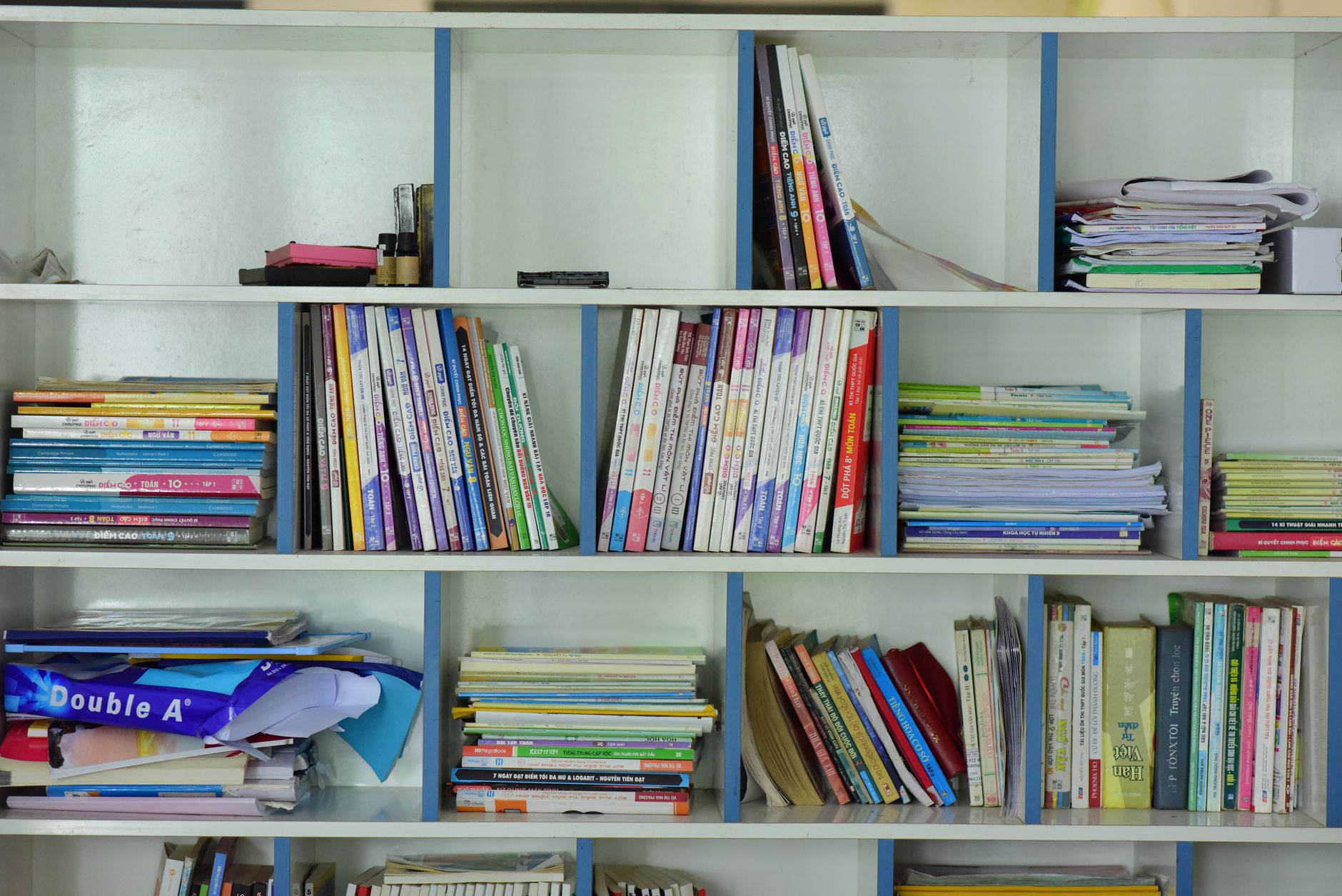
Children who don’t have consistent access to books don’t need better books. They need books, full stop. And the infrastructure for getting books into the hands of kids in low-income households, underfunded schools, and rural communities has been eroding for years – through library budget cuts, school consolidations, and the quiet disappearance of the kind of sustained reading time that used to be built into the school day. Calling the existing catalog “crud” doesn’t address any of that. It just adds a layer of cultural gatekeeping on top of a distribution problem.
When the Advocate Becomes the Critic
There’s an awkward institutional tension built into the position of children’s book advocate when the person holding that role turns critical. Advocacy, by definition, involves building the case for something – making it easier for institutions, funders, and families to invest in it. Criticism does the opposite, or at least complicates it. Telling the public that most children’s books are crud is the kind of statement that gives ammunition to school board members looking to slash library acquisitions budgets, or parents already skeptical of whether reading programs are worth the school’s time.
That’s not to say quality doesn’t matter at all. It does. The difference between a book that genuinely engages a reluctant reader and one that loses them in the first chapter can determine whether that child comes back to reading at all. Publishers, editors, and the adults selecting books for children all carry responsibility for what gets pushed to the front. The concern about a glutted market producing too much forgettable content is a legitimate one, and it’s been raised by educators and critics for decades – long before it became a talking point for the nation’s official advocate.
But there’s a difference between saying the industry could do better and saying that the problem facing young readers is essentially a quality control failure. One is a reasonable note to the publishing world. The other misreads what the data on children’s literacy actually shows. Reading rates among children don’t decline because kids encounter a bad book and give up. They decline – or never develop – because the preconditions for reading were never established. That’s a social infrastructure question, not a literary one. For more on how cultural gatekeepers have historically shaped what gets read and what gets suppressed, the history of battles over books like those targeted by moral crusaders offers a useful parallel – the argument is always framed as being about quality or values, when the actual stakes are access and control.

What the Argument Misses
Literacy advocacy has a long history of getting tangled up in taste. Debates about whether children should be reading comic books, pulp fiction, series books, or graphic novels have recycled through American culture roughly every generation, with each new format condemned as beneath serious attention and each condemnation eventually reversed by time and evidence. The books that critics called low-value often turned out to be exactly what reluctant readers needed to stay engaged long enough to become confident readers. The idea that better curation at the top of the market would filter down into meaningfully higher reading rates has never really held up.
What does hold up is the connection between early exposure, consistent access, and reading proficiency. Children who are read to before they start school arrive with vocabulary advantages that persist. Children who have books in the home read more. Children whose schools have well-stocked, well-staffed libraries read better. None of those facts hinge on whether the books in question meet the aesthetic standards of the nation’s official children’s book advocate.
The frustration behind the “crud” comment is understandable – anyone who cares about books cares about whether the books being published are any good. But frustration directed at publishers and editorial standards is frustration aimed at a relatively upstream variable in a problem that’s mostly playing out downstream, in classrooms and homes and communities where the real question isn’t whether the book is great literature, but whether there’s a book at all.
Whether the children’s book advocate walks back the comment, doubles down, or pivots to something more structural will say a lot about whether this moment becomes a genuine policy conversation or just another round of culture-war positioning dressed up as concern for kids. The word “crud” is already out there, and someone’s going to use it to justify a budget cut.