





When the Record Becomes the Script
“The Ford/Hill Project” arrives not as nostalgia but as argument. The documentary play stitches together testimony from two of the most televised confirmation hearings in American history – Clarence Thomas in 1991 and Brett Kavanaugh in 2018 – and asks audiences to sit with the words as they were actually spoken, in rooms that actually existed, before senators who actually voted. What that produces is something stranger than drama and more uncomfortable than history.
Documentary theatre has a long tradition of treating the public record as raw material. Court transcripts, congressional proceedings, depositions – these become dialogue when a playwright decides the facts carry enough charge on their own. “The Ford/Hill Project” operates in that tradition, using the real testimony of Anita Hill and Christine Blasey Ford as its textual spine. The result, depending on where you sit, reads either as essential archival work or as the particular kind of theatre that knows exactly what it wants you to feel before you find your seat.
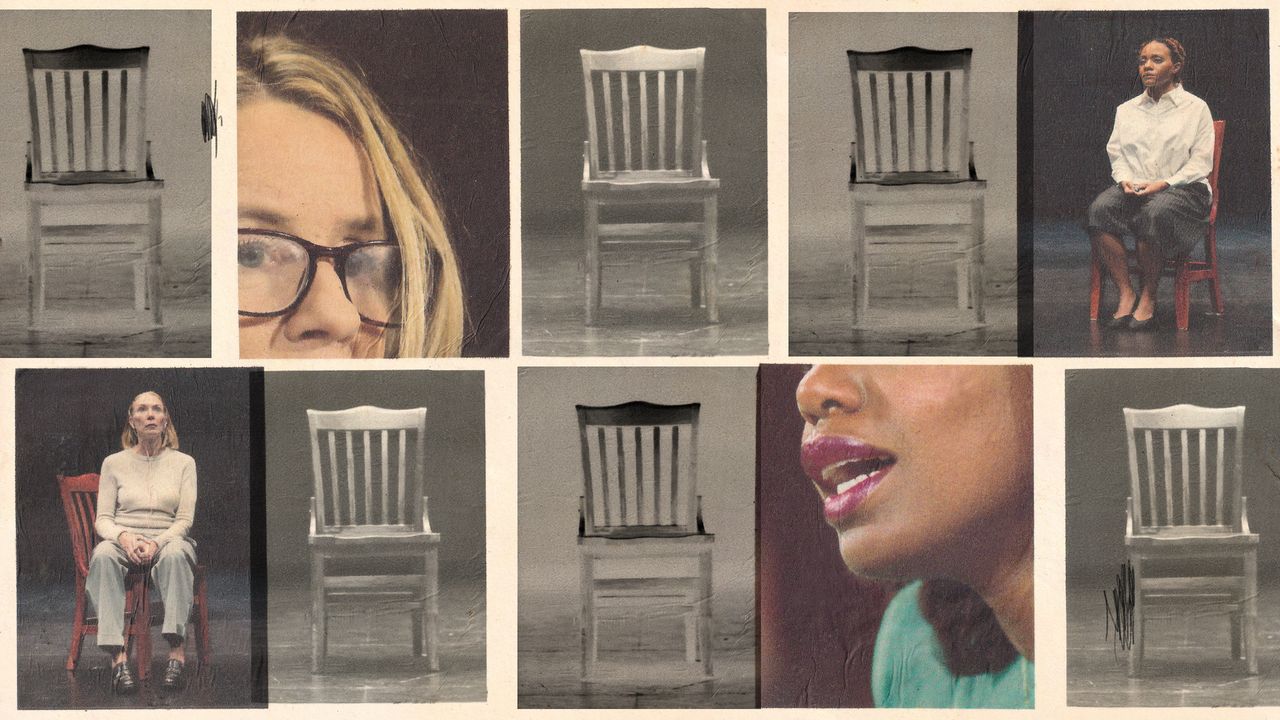
What the Play Is Actually Doing
The production stages two moments that Americans either watched live or absorbed secondhand through years of cultural repetition. Hill’s 1991 testimony against Thomas, then a Supreme Court nominee, detailed allegations of sexual harassment with a specificity that stunned the Senate Judiciary Committee – and, watching at home, much of the country. Ford’s 2018 account of an alleged assault by Kavanaugh, delivered before the same committee structure twenty-seven years later, arrived in a media environment that had already been reshaped by the early months of the #MeToo reckoning. Both women testified. Both men were confirmed. Those outcomes are not incidental to what the play is staging – they are the point.
Documentary plays of this kind do not pretend to neutrality, and “The Ford/Hill Project” does not appear to try. The selection of material, the emphasis given to certain exchanges, the juxtaposition of Hill’s 1991 hearing with Ford’s 2018 testimony – these are editorial decisions with weight. When verbatim theatre frames two testimonies across three decades and presents them together, the argument being made is structural: that something repeated is something systemic. That framing is not a distortion of the facts, but it is a position taken with them.
The play also functions as a kind of time capsule in reverse. Rather than preserving the past for the future, it retrieves the past for a present audience that has, in many cases, already metabolized these events through opinion columns, social media arguments, and documentary films. Seeing words you half-remember spoken aloud by actors in a theatre changes the texture of them – slows them down, isolates them from the noise that surrounded the original broadcasts. Whether that isolation clarifies or distorts is a question the production presumably leaves hanging in the house lights.
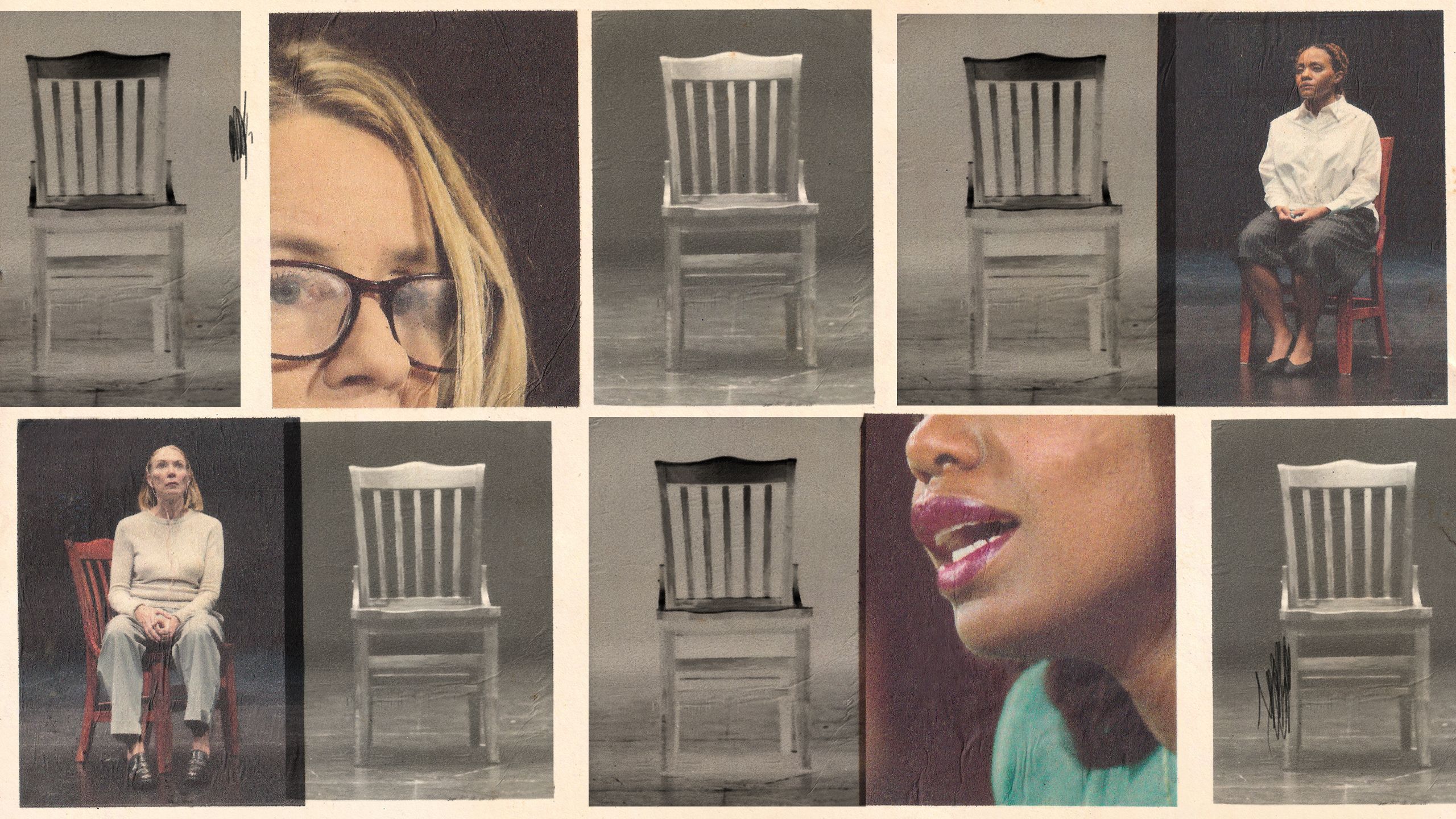
Activist Theatre and the Problem of the Converted Audience
The New Yorker’s framing of the play as “activist theatre in a moment when the idea of civic urgency is losing purchase” is worth pausing on. Theatre has always had a civic function – Greek tragedy was literally a civic ritual – but the specific strain of American activist theatre that emerged post-2016 carries a particular burden. It tends to preach with precision to congregations that are already present. The people who attend a verbatim play about Hill and Ford are, statistically, not the people who need to be reminded that both women testified, or persuaded that their testimony mattered.
That is not an argument against making the work. It is an observation about what the work can and cannot do. Activist theatre at its most effective changes the emotional resolution of something already intellectually understood – it moves people from knowing to feeling, which is its own category of political shift. At its least effective, it becomes a ritual of collective grievance, satisfying and self-contained. Where “The Ford/Hill Project” lands on that spectrum depends on execution that a production description alone cannot assess.
The Document as Drama, and What Gets Lost
There is a specific tension built into any verbatim theatrical project: the source material is simultaneously the production’s greatest asset and its most significant constraint. Congressional testimony is not written to be performed. It is written – or spoken extemporaneously – to be believed, to establish legal or procedural fact, to survive cross-examination. When that language moves to a stage, something is gained in concentration and something is lost in context. The pauses, the procedural interruptions, the off-camera negotiations that shaped what senators actually asked – none of that lives in the transcript.
Hill testified in 1991 before a committee that included senators who would go on to shape three more decades of American legislation. Ford testified in 2018 before a committee that had already watched the Thomas hearings and drawn whatever lessons it chose to draw. The continuity between those two events – the same institutional structure, the same procedural choreography, the same ultimate outcome – is what gives the play its argument. Whether theatre is the right container for that argument, or whether it flattens what a more analytical form might open up, is the genuinely interesting question the production raises without being able to answer for itself.
Verbatim theatre does something that journalism and documentary film also do, but differently: it makes you watch a person’s face while history happens to them. The relationship between witness and audience – who holds attention, who grants it, what looking at someone costs – runs through a lot of the most interesting cultural work being made right now. “The Ford/Hill Project” is operating in that same territory, with higher political stakes and more constrained artistic freedom.

What stays with you, reading about a production like this, is not the question of whether Hill and Ford should be remembered – they will be, are being, have been – but whether the stage is where that memory does its most useful work. A courtroom drama restaged is not a courtroom. A senate hearing restaged is not a senate hearing. What it is, specifically, is a room full of people who chose to be there, watching actors speak words that real women once said under oath, in rooms where the consequences were real and the outcome was already decided before the cameras turned off.