




A Protocol Built for the Physical World
Anthropic has released a specification called the Model Hardware Standard – MHS – that gives AI agents a direct line to physical devices, pushing agentic AI out of purely digital territory for the first time at this scale.
What the Standard Actually Does
The gap between what AI agents can do inside software and what they can do with hardware has always been wide. Every device – a microscope, a motorized stage, a sensor array – typically requires its own custom driver, its own data format, and its own communication protocol. Getting three or four such components talking to each other inside a single experiment has historically meant writing a bespoke translation layer between each pair. That process can stretch into weeks or months of engineering work before any actual science gets done.
MHS attacks that problem by inserting a standardized translation layer between the AI agent and whatever collection of devices it needs to control. Instead of a custom bridge for every device pair, each piece of hardware speaks to a common interface. Anthropic describes this as letting devices communicate across a network “without needing a bespoke ‘translator’ program in between.” The practical payoff, according to the company, is compressing that multi-week setup window down to hours or minutes.
The current release is framed as a research preview, which means Anthropic is positioning MHS first as a tool for scientists rather than a general-purpose hardware protocol for consumer or industrial applications. That framing is deliberate. Scientific instrumentation is notoriously fragmented – labs routinely run gear from five different manufacturers that was never designed to interoperate – so it’s a setting where a common standard creates immediate, measurable value.
Think of it less as a product and more as an emerging infrastructure layer: the kind of thing that, if it gains adoption, quietly becomes the foundation everything else runs on. The architecture works by giving AI agents a uniform way to issue commands and receive data regardless of what sits on the other end of the connection, whether that’s a rotating laser array or a bank of cameras capturing cellular behavior.
The Lab Visit That Started It
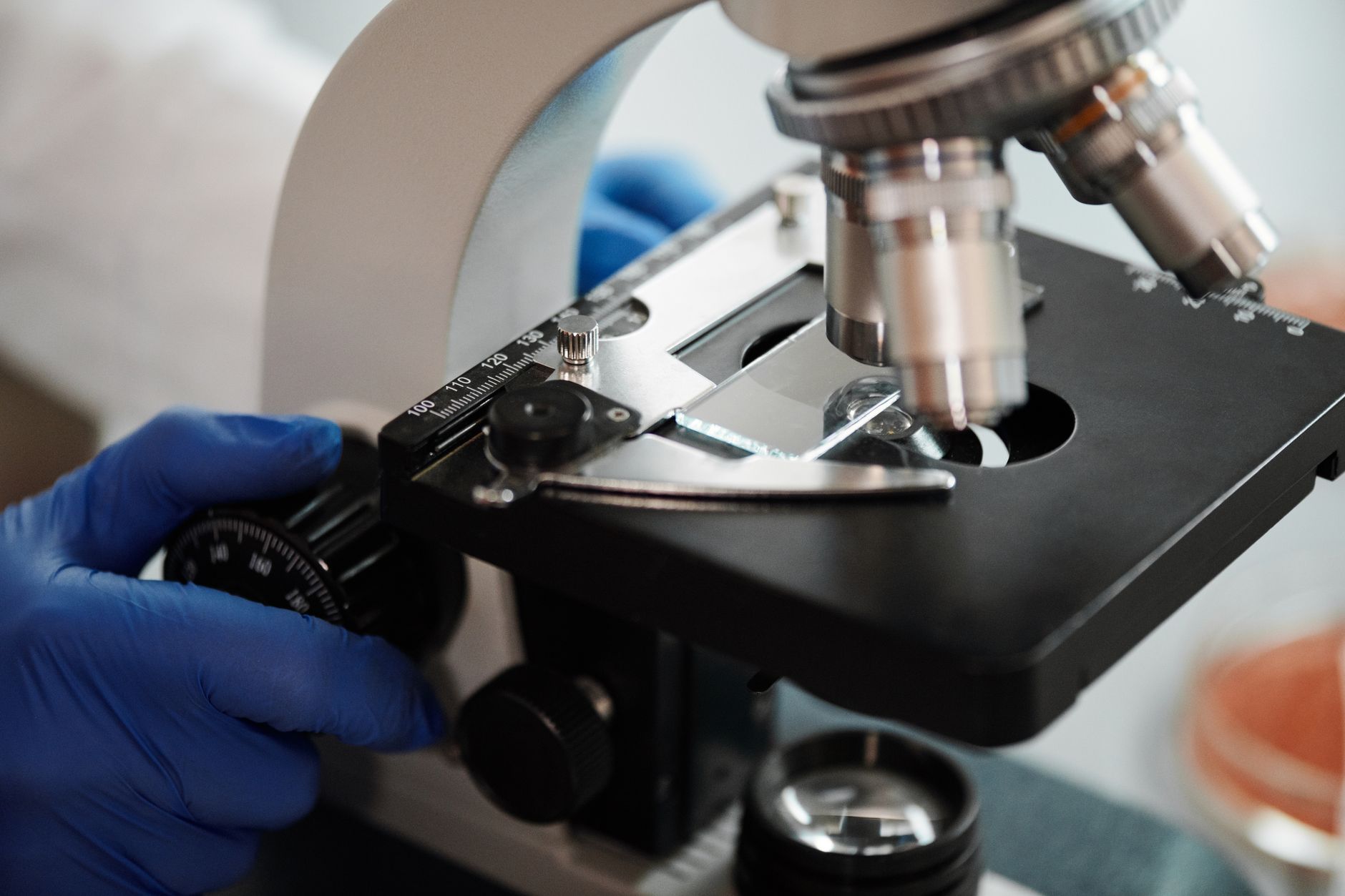
Anthropic Technical Staffer Alek Kemeny has been direct about where the idea came from. Watching neuroscientist Arco Bast work through a memory-formation experiment at the HHMI Janelia Research Campus in Ashburn, Virginia, Kemeny saw the sprawling integration problem up close. Bast had managed to get rotating laser beams, microscopes, and cameras to coordinate through a shared interface – a feat of custom engineering that represented hours of invisible prep work.
That observation crystallized into a broader ambition. “This idea could be used to have AI run any science experiment in the world,” Kemeny recalled thinking at the time, a line he repeated in the video Anthropic posted alongside the MHS announcement. The jump from a single neuroscience lab in Virginia to any science experiment in the world is a significant one, but it illustrates the underlying logic: if hardware coordination can be standardized, the human bottleneck in experimental setup shrinks dramatically.
What made Bast’s work notable wasn’t the science itself but the engineering workaround it required. A researcher with enough coding skill could build a custom integration for their specific rig, but that knowledge rarely transfers to another lab running different hardware. Every team ends up solving the same class of problem from scratch. MHS is designed to make that redundant effort unnecessary – write once, deploy across different device configurations.
Janelia Research Campus, operated by the Howard Hughes Medical Institute, is a fitting place for this kind of problem to surface. It runs high-complexity, instrument-heavy neuroscience and typically involves more custom hardware coordination per experiment than most academic settings. If MHS can handle that environment’s demands, it has a credible starting point for broader scientific application.
The launch video format – a technical staffer explaining the origin story alongside a diagram of the translation layer – reflects how Anthropic is pitching this. It’s not a polished consumer announcement. The graphic showing MHS sitting between AI agents and multiple device types is functional rather than designed to impress, which fits the research-preview positioning. Anthropic appears more interested in getting the specification into labs than in generating hardware-sector headlines.
What Comes Next for MHS
The research preview label carries real weight. Anthropic isn’t claiming MHS is finished or ready for production environments outside experimental settings. What the company has released is a set of standardized drivers – a defined format for data sharing between devices and a common interface for AI agents to issue commands. Whether that specification can scale beyond laboratory instrumentation into other hardware categories remains an open question tied to adoption rather than engineering.
The harder challenge may be convincing hardware manufacturers to support the standard. A protocol that lives only on the AI-agent side of the connection requires someone to maintain driver compatibility for every new device that comes to market. Kemeny’s observation in that Virginia lab captured a real problem, but solving it permanently requires more than a clean specification – it requires the kind of industry buy-in that usually follows years of demonstrated utility, not a research preview.